

World Bank Report Highlights Urgent Need for Improved Water Security Worldwide
The report highlights Indonesia's efforts in addressing water security challenges, including investments in dam infrastructure, community-based water supply programs, and pollution reduction initiatives in river basins.
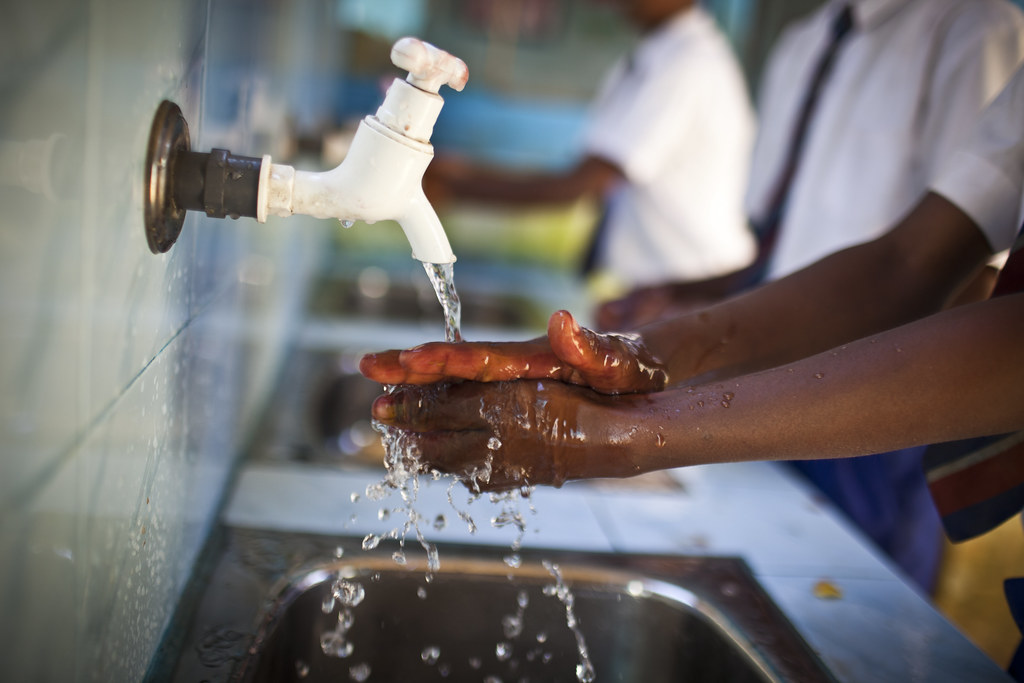
A World Bank report, released on Monday at the 10th World Water Forum in Bali, Indonesia, underscores the critical importance of access to safe drinking water and sanitation for human and economic development. Titled "Water for Shared Prosperity," the report reveals alarming trends over the past two decades, with the number of people lacking safe drinking water and basic sanitation increasing by 197 million and 211 million, respectively.
Currently, over two billion people lack access to safe drinking water, while 3.5 billion lack safely managed sanitation facilities, resulting in significant public health challenges. Infectious diseases caused by inadequate water and sanitation contribute to 1.4 million annual deaths and 50% of global malnutrition cases.
The report emphasizes the adverse impact of water insecurity, particularly on childhood development. Inadequate water and sanitation facilities disrupt early childhood development and education, leading to school dropouts. Moreover, climate change exacerbates water-related risks, with developing countries bearing the brunt of climate shocks, including severe droughts and prolonged floods.
To address these challenges, the report offers specific recommendations, including international cooperation to protect freshwater resources, investment in nature-based solutions like reforestation, and the development of water storage infrastructure. Additionally, policies to upgrade housing and land use regulations can mitigate flood risks, while early warning systems and insurance can help communities cope with extreme weather events.
The report highlights Indonesia's efforts in addressing water security challenges, including investments in dam infrastructure, community-based water supply programs, and pollution reduction initiatives in river basins.
In conclusion, the report stresses the urgent need for reforms and investments to improve water security globally, ensuring access to safe water and sanitation for all while building resilience against climate-related risks.
ALSO READ
-
ADB Backs Indonesia With $650 Million to Expand Markets and Safer Digital Finance
-
World Bank Backs Tonga’s Push for Better Jobs and Business Growth With $15M Grant
-
Clean Energy’s $2 Trillion Funding Challenge Puts People and Nature in the Spotlight
-
World Bank Approves $110 Million to Rebuild Sri Lanka’s Cyclone-Hit Roads and Lives
-
Indonesian Employers Seek a Stronger Voice in OECD Reforms on Jobs, Skills and Business


 Google News