

World Bank Approves $1 Billion for Pakistan's DASU Hydropower Expansion Project
Rikard Liden, Task Team Leader for the Project, highlighted DHP-I's role in Pakistan's renewable energy goals, aiming for 60 percent renewable energy by 2031.
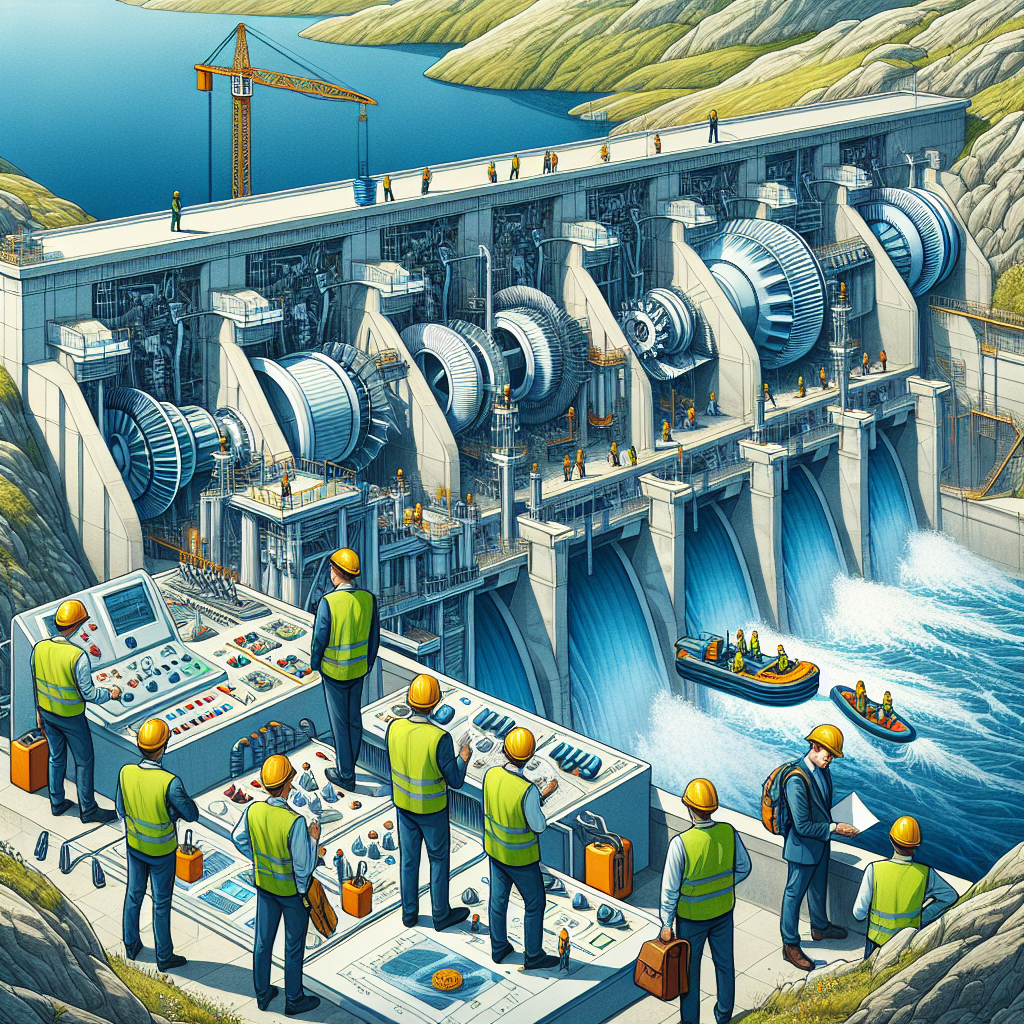
The World Bank's Board of Executive Directors has given the green light for $1 billion in additional financing for the DASU Hydropower Stage I (DHP I) Project, marking a significant step towards expanding hydropower electricity supply and enhancing socio-economic development in Pakistan.
Najy Benhassine, World Bank Country Director for Pakistan, emphasized the pivotal role of the DHP I Project in addressing Pakistan's energy challenges while promoting sustainability. Situated near Dasu Town in the Upper Kohistan District of Khyber Pakhtunkhwa Province, the project is poised to revolutionize the country's energy sector, contributing to a greener energy landscape and reducing electricity costs.
DHP I, a run-of-river project on the Indus River, aims to have an installed capacity of 4,320–5,400 MW upon completion. It will generate approximately 12,225 gigawatt hours (GWh)/year of low-cost renewable energy. The project's significance extends to its potential economic benefits, with estimated savings of $1.8 billion annually by displacing imported fuels and offsetting around 5 million tons of carbon dioxide.
Rikard Liden, Task Team Leader for the Project, highlighted DHP-I's role in Pakistan's renewable energy goals, aiming for 60 percent renewable energy by 2031. The additional financing will facilitate electricity supply expansion and contribute to socio-economic progress in Upper Kohistan, particularly in education, health, employment, and transport.
Since 2012, ongoing socio-economic initiatives have yielded significant improvements, including a 30 percent increase in adult literacy and notable gains in boys' and girls' schooling. The project will continue to focus on community development, with initiatives targeting women beneficiaries, such as healthcare clinics, women health worker training, livelihood programs, and awareness campaigns on health and hygiene.
The approval of additional financing underscores the World Bank's commitment to supporting Pakistan's sustainable development and energy transition efforts.


 Google News