

India's Green Tug Transition: A Move Towards Sustainable Maritime Future
The Green Tug Transition Program (GTTP) launched by Union Minister Sarbananda Sonowal aims to replace diesel-powered tugs with zero-emission alternatives in India's major ports. The initiative involves a Rs 1,000 crore investment and is expected to fully transition by 2040, with phase 1 starting in October 2024.
- Country:
- India
Union Minister Sarbananda Sonowal on Friday launched the standard operating procedure for the Green Tug Transition Program (GTTP), an initiative aimed at achieving a sustainable and green maritime sector in India, according to an official statement.
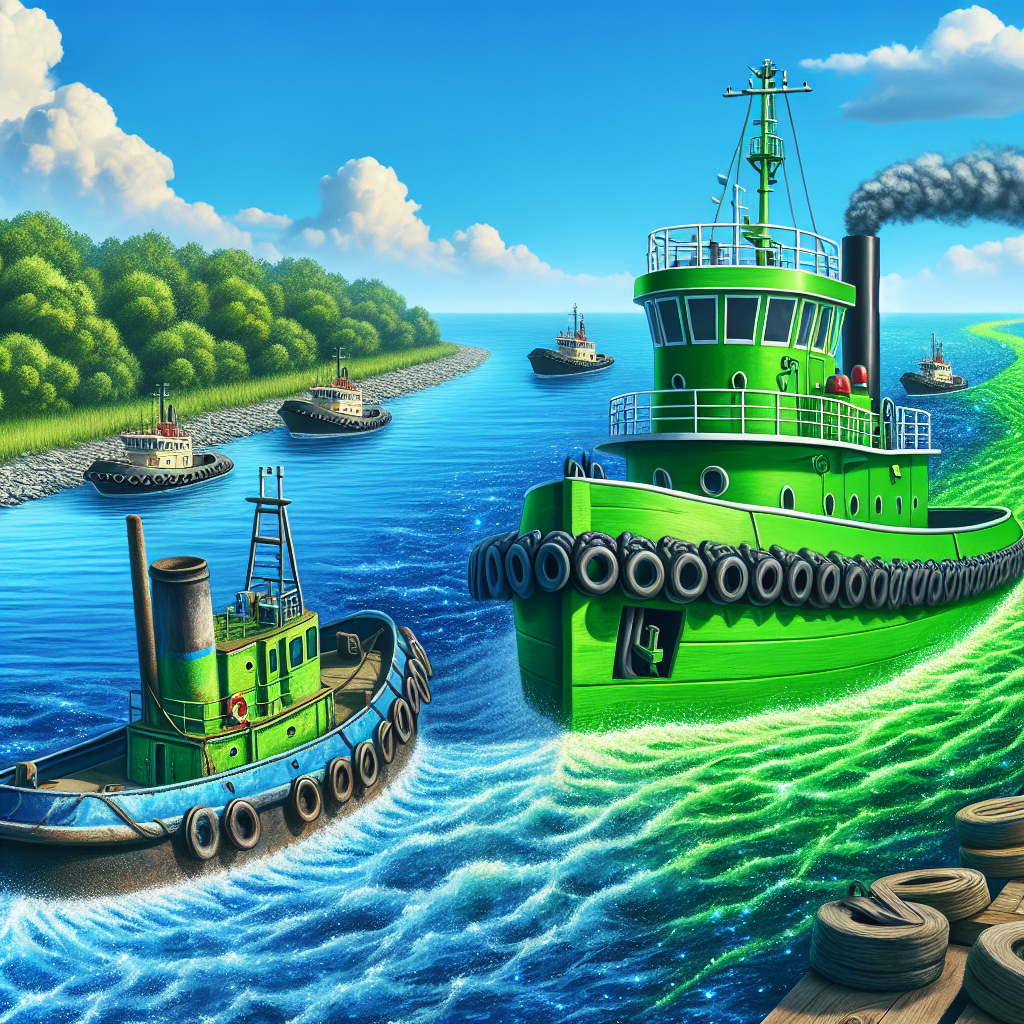
The statement mentioned that GTTP aims to replace existing diesel-powered tugs with zero-emission alternatives, involving an estimated investment of Rs 1,000 crore in building these green tugs.
Phase 1 of the GTTP is set to begin on October 1, 2024, and will continue until December 31, 2027. During this phase, four major ports - Jawaharlal Nehru Port Authority, Deendayal Port Authority, Paradip Port Authority, and V.O. Chidambaranar Port Authority - will procure or charter at least two green tugs each, following standardized designs and specifications issued by the Standing Specification Committee (SSC).
By the end of 2040, all tugs operating in major Indian ports are expected to transition to green tugs, ensuring a standardized, eco-friendly fleet across the country, according to the statement. From 2033 onwards, any new tug built in India for use in Indian ports will be required to comply with ASTDS-GTTP standards.
Announced on May 22, 2023, by Sonowal, the GTTP is a major initiative under the 'Panch Karma Sankalp' aimed at phasing out conventional fuel-based harbor tugs in India's major ports. The goal is to replace them with green tugs powered by cleaner and more sustainable alternate fuels.
Harbor tugs, which are essential for port operations such as berthing, unberthing, and ship assist functions, are ideal candidates for adopting green technologies like electric propulsion and alternative fuels, significantly reducing emissions without compromising operational efficiency.


 Google News