

Belize's Energy Future: Strengthening Power Supply, Enhancing Sustainability, and Reducing Costs
Belize currently imports approximately 50% of its electricity from Mexico, leaving the country vulnerable to fluctuating oil and gas prices and volatile spot market rates.
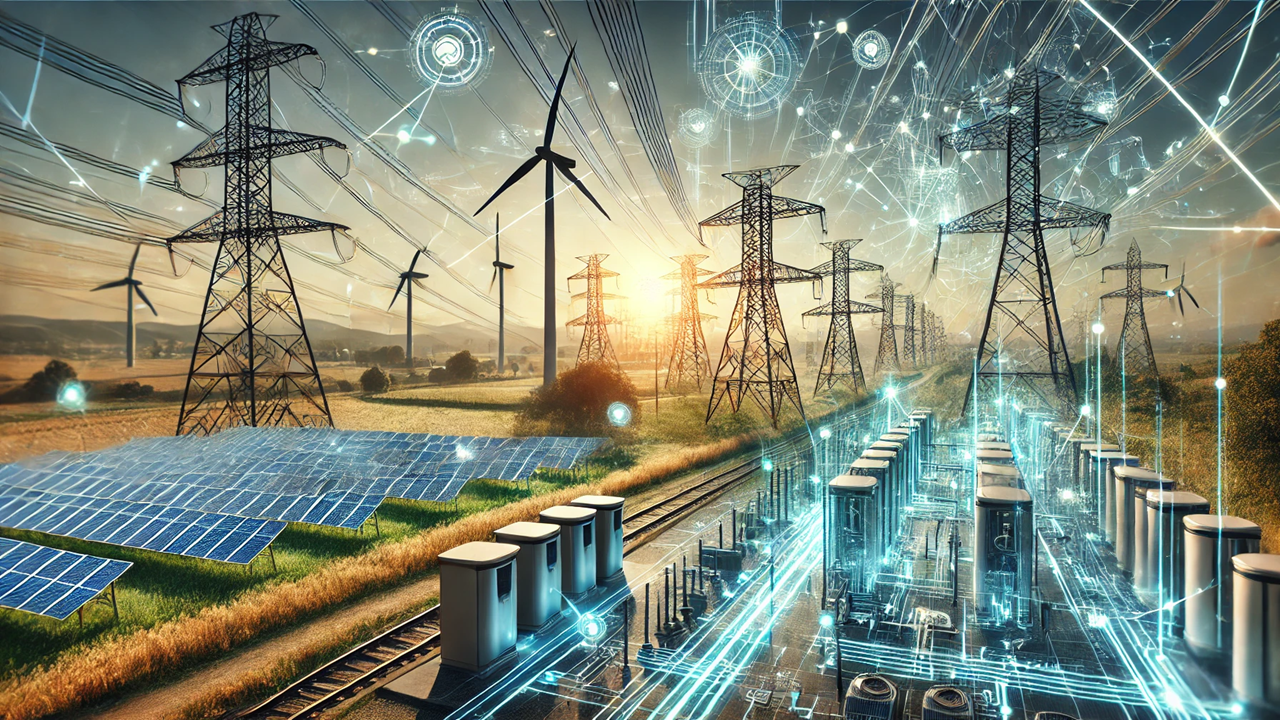
The Government of Belize, in collaboration with the World Bank and the Government of Canada, has launched an ambitious new energy project to bolster the country's power supply, improve reliability, and enhance energy resilience. The $58.4 million Belize Energy Resilience and Sustainability Project (BERS) aims to optimize electricity costs for consumers while expanding the use of renewable energy sources, addressing critical energy security challenges that have long plagued the nation.
Addressing Belize's Energy Security Challenges
Belize currently imports approximately 50% of its electricity from Mexico, leaving the country vulnerable to fluctuating oil and gas prices and volatile spot market rates. This dependency makes electricity costs unpredictable and increases the financial burden on consumers. Additionally, Belize's aging power infrastructure is highly susceptible to extreme weather events, as demonstrated during Hurricane Lisa in 2022, which left the capital without electricity and potable water. With no new generation capacity added in over a decade and a staggering 48% increase in peak demand, the country has experienced frequent planned power outages and reliability issues affecting homes and businesses alike.
Deploying Cutting-Edge Battery Storage Technology
The BERS project will deploy advanced battery energy storage systems (BESS) across four strategic locations—San Pedro, Dangriga, Orange Walk, and Belize District—marking a major step in modernizing Belize's energy infrastructure. These four 10-megawatt battery storage systems will enhance the country's ability to manage its power supply, mitigate power disruptions, and optimize electricity costs for consumers.
"This project represents a crucial milestone for Belize's energy independence and sustainability," said Lilia Burunciuc, World Bank Director for the Caribbean. "By investing in advanced storage solutions and renewable energy integration, we are ensuring a more reliable and affordable power supply for communities while paving the way for a greener future."
Enhancing Renewable Energy Integration and Affordability
The battery storage systems will support the integration of renewable energy sources such as solar and wind into the national grid. This technology will enable Belize to increase its share of renewable energy and reduce dependence on costly electricity imports. The initiative aligns with Belize's National Energy Policy 2023 and its ambitious goal of achieving 75% renewable energy generation by 2030.
Currently, low-income households in Belize allocate up to 30% of their pre-tax income to electricity bills, making energy affordability a pressing concern. By stabilizing electricity supply and reducing costs through optimized energy storage and distribution, the project will directly benefit these households, alleviating financial pressure on vulnerable communities.
Investing in Workforce Development and Gender Inclusion
Beyond improving energy infrastructure, the project will introduce state-of-the-art power management systems and software, provide specialized technical training for system operators, and promote inclusive participation in the energy sector. A key focus will be increasing female representation in the energy industry through STEM education initiatives, professional development programs, and mentorship opportunities for women interested in technical and leadership roles.
Canada's Commitment to Energy Security in the Caribbean
"Energy security is a challenge for many nations, especially for Caribbean countries. This is why the Government of Canada is proud to support Belize in its journey towards a more resilient and sustainable future. By investing in innovative power solutions and fostering inclusive growth, we are helping to build a robust energy infrastructure that will support sustainable development and improve the quality of life for communities across Belize," said Olivier Jacques, Ambassador of Canada to Guatemala and High Commissioner of Canada to Belize.
Project Financing and International Collaboration
The $58.4 million project is jointly financed by a $50 million loan from the World Bank's International Bank for Reconstruction and Development (IBRD), along with an $8.2 million loan and a $0.2 million grant from the Canada Clean Energy and Forests Climate Facility. This funding reflects a shared commitment to strengthening Belize's energy security and advancing the transition toward a more resilient, renewable-based power system.
With the implementation of BERS, Belize is poised to become a leader in clean energy innovation in the Caribbean, ensuring a stable, affordable, and sustainable power supply for generations to come.


 Google News