

IFC Backs Paraguay’s First Green Hydrogen Fertilizer Plant in Clean Industry Investment
Paraguay generates nearly all of its electricity from renewable hydropower, positioning it uniquely to produce low-carbon industrial products.
- Country:
- Paraguay
The International Finance Corporation (IFC), a member of the World Bank Group, has signed debt financing agreements for the Villeta Green Fertilizer Project, a groundbreaking initiative that will establish one of the world's first commercial-scale fertilizer plants powered by clean hydrogen.
Developed by ATOME PLC, the project will be located in Villeta, Paraguay, and aims to transform the country's abundant renewable hydropower resources into high-value industrial production, while strengthening regional food security and creating new employment opportunities.
Turning Renewable Energy into Industrial Growth
Paraguay generates nearly all of its electricity from renewable hydropower, positioning it uniquely to produce low-carbon industrial products.
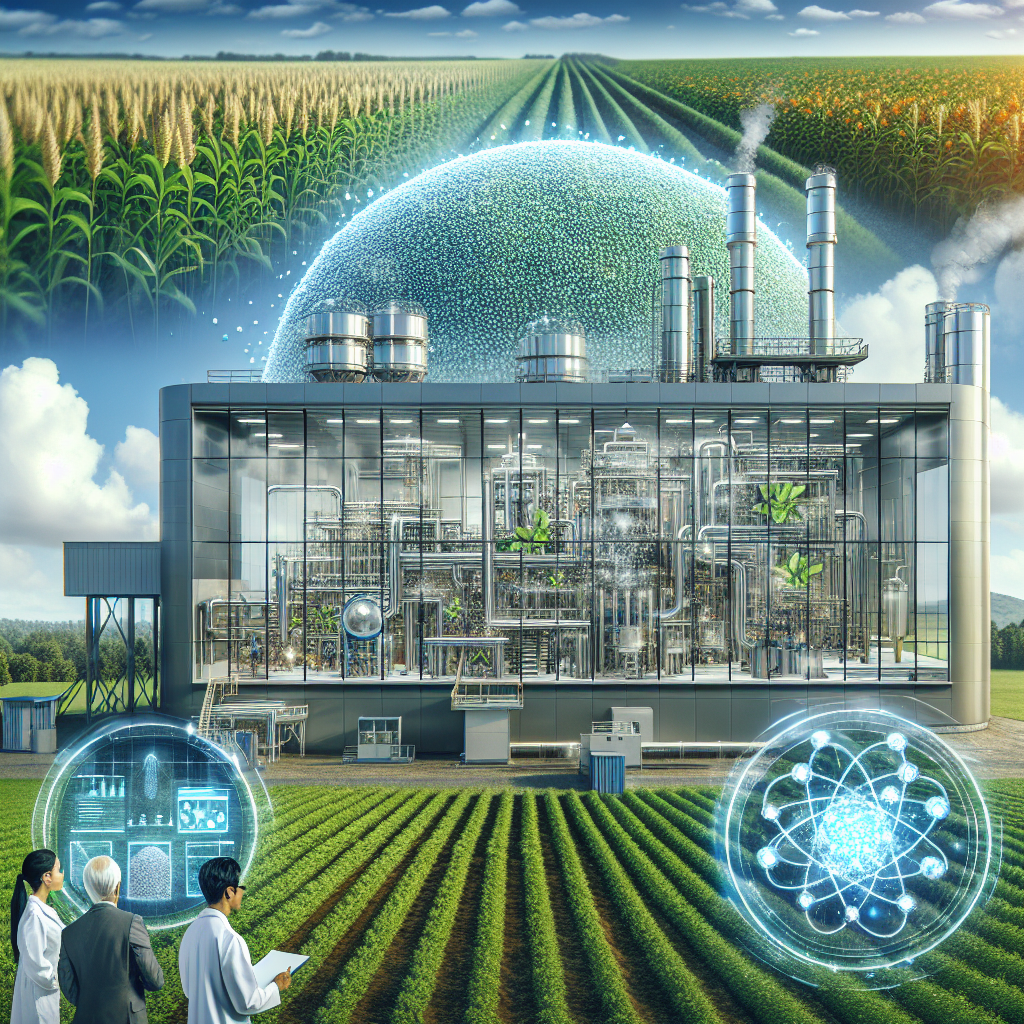
The Villeta project will use renewable electricity to produce hydrogen through electrolysis, which will then be used to manufacture low-carbon Calcium Ammonium Nitrate (CAN) fertilizer.
This process eliminates the reliance on fossil fuels typically used in fertilizer production, marking a significant step toward decarbonizing global agricultural supply chains.
The initiative also supports Paraguay's long-term strategy to move up the value chain, shifting from raw energy exports to value-added industrial manufacturing.
Boosting Employment and Local Economic Activity
The project is expected to generate significant employment opportunities.
During the construction phase:
• More than 1,265 direct jobs will be created
During the operational phase:
• Nearly 200 skilled and semi-skilled jobs will be sustained
Beyond direct employment, the project will stimulate additional economic activity across several sectors.
Indirect job creation is expected in:
• Transport and logistics, including river and road freight for fertilizer exports
• Construction and engineering services, supporting maintenance and infrastructure
• Local suppliers and small and medium-sized enterprises (SMEs) providing goods and services
Additional employment growth is anticipated across the agricultural value chain, as local fertilizer production strengthens agribusiness productivity and services.
The project also includes targeted efforts to increase women's participation in the industrial workforce, encouraging vocational training and more inclusive hiring practices.
Strengthening Regional Fertilizer Supply
Mercosur countries currently rely heavily on imported fertilizers.
More than 90 percent of nitrogen fertilizer demand in the region is supplied through imports, largely derived from fossil fuels.
The Villeta project aims to reduce this dependency by producing fertilizer locally using renewable energy, improving the resilience and sustainability of agricultural supply chains across the region.
IFC and Global Climate Partners Support the Initiative
IFC officials highlighted the project as a major step toward sustainable industrial development in Latin America.
"IFC is proud to support this innovative project, which not only has a positive impact on agriculture but also creates meaningful jobs and skills enhancement opportunities for the people of Paraguay," said Manuel Reyes Retana, IFC Division Director for Brazil, Argentina, Uruguay and Paraguay.
"This initiative underscores our commitment to promoting sustainable development in the region."
The project also receives backing from the Green Climate Fund (GCF), which views the investment as a milestone for industrial decarbonization in emerging markets.
"The Atome Villeta Green Fertilizer Project represents a paradigm shift in large-scale green fertilizer investments," said Kristin Lang, Director for Latin America and the Caribbean at the GCF.
"This innovative project will strengthen food security and transform the regional fertilizer market by reducing imports."
A First-of-Its-Kind Global Project
The Villeta facility represents a first-of-its-kind investment in the global fertilizer industry, demonstrating the commercial viability of clean hydrogen as a feedstock for fertilizer production.
As Paraguay's first large-scale hydrogen-to-fertilizer plant, the project highlights how renewable energy can power sustainable industrial production.
Industry experts believe the project could become a model for similar clean fertilizer projects worldwide, particularly in regions with abundant renewable energy resources.
Accelerating the Global Energy and Agriculture Transition
By combining renewable energy, green hydrogen technology, and sustainable fertilizer production, the Villeta project aims to advance both climate goals and global food security.
The initiative is expected to catalyze further investment in low-carbon industrial manufacturing across Latin America and the Caribbean, helping countries transform natural resources into sustainable economic growth.


 Google News