

EIB Commits €470M to Transform Stockholm’s Wastewater System to Protect Baltic Sea
The EIB’s funding will cover approximately 26% of the total cost, with long-term financing aligned to the project’s expected completion by 2031.
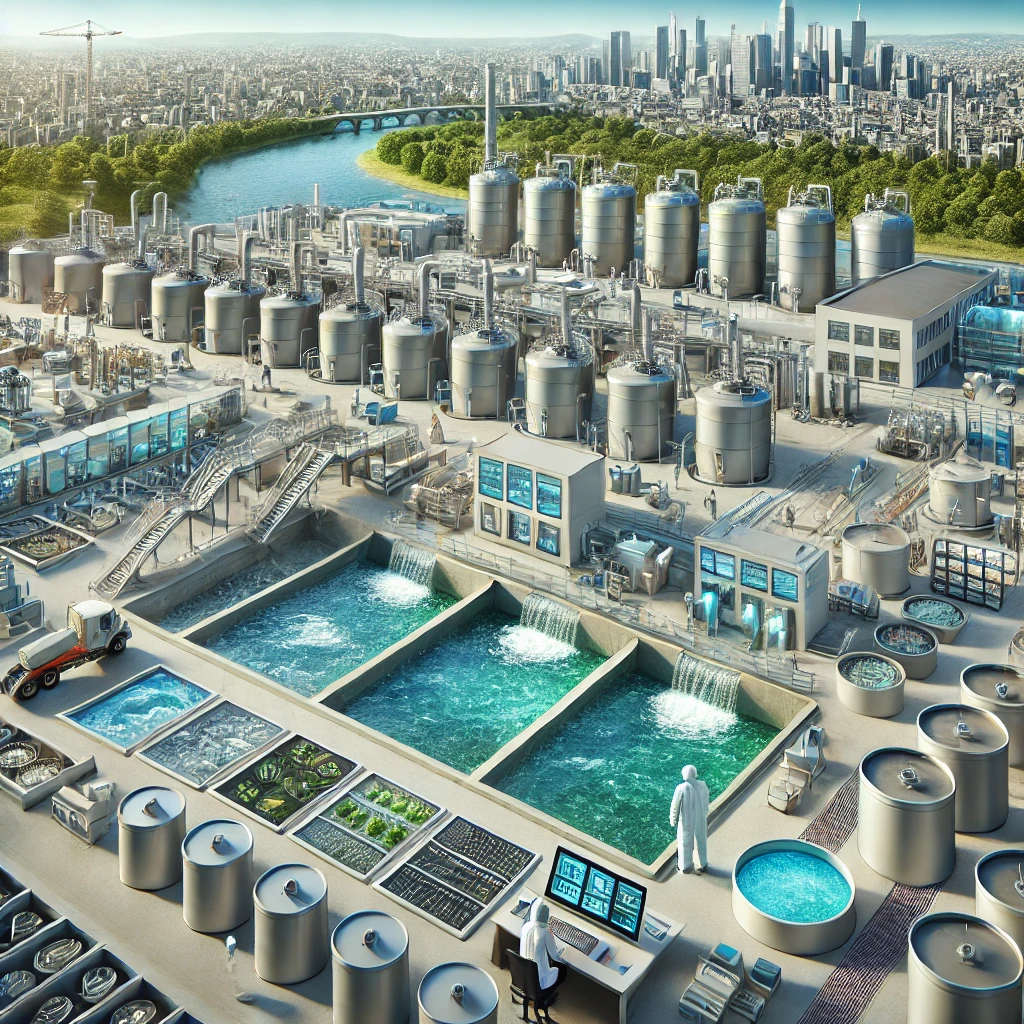
In one of the largest environmental infrastructure investments in Scandinavia in recent decades, the European Investment Bank (EIB) has approved a 5 billion Swedish kronor (approximately €470 million) loan to the City of Stockholm to modernize its wastewater management system and significantly reduce pollution flowing into the Baltic Sea.
The financing will support a landmark project to shut down the ageing Bromma wastewater treatment plant and consolidate operations at a vastly expanded and technologically advanced Henriksdal facility, marking a transformative shift in how the Swedish capital manages its water resources.
A Strategic Environmental Upgrade at Scale
With a total project cost of SEK 19.5 billion, the initiative represents Stockholm's most ambitious wastewater investment in decades. The EIB's funding will cover approximately 26% of the total cost, with long-term financing aligned to the project's expected completion by 2031.
At the heart of the project is the construction of a new wastewater transfer tunnel, enabling the efficient redirection of sewage from Bromma to Henriksdal. This consolidation will allow for centralized, high-efficiency treatment using cutting-edge technology.
Advanced Membrane Technology for Future-Ready Treatment
The upgraded Henriksdal plant will deploy advanced membrane filtration technology, enabling:
-
Significantly increased treatment capacity without expanding physical footprint
-
Higher purification efficiency, improving overall water quality outcomes
-
Enhanced removal of emerging pollutants, including microplastics and pharmaceutical residues
This approach positions Stockholm at the forefront of next-generation wastewater treatment systems globally, combining scalability with sustainability.
Major Environmental Gains for the Baltic Sea
Once operational, the project is expected to deliver substantial ecological benefits:
-
~40% reduction in nitrogen discharge into the Baltic Sea
-
~35% reduction in phosphorus discharge, a key driver of eutrophication
-
Significant reduction in microplastic pollution
-
Improved resilience against future environmental challenges
These improvements directly support Sweden's commitments under the Baltic Sea Action Plan and the EU Water Framework Directive, reinforcing regional efforts to restore marine ecosystems.
Protecting Drinking Water and Enhancing Climate Resilience
Beyond marine protection, the project will also:
-
Reduce the risk of untreated wastewater overflows into Lake Mälaren, Stockholm's primary drinking water source
-
Strengthen urban resilience to climate change, particularly during heavy rainfall events
-
Improve public health outcomes through better water quality management
EIB Vice-President Karl Nehammer emphasized the broader significance of the investment, noting that it contributes to both cleaner seas and a more secure water supply while aligning with the Bank's climate and environmental priorities.
Long-Term Investment in Sustainable Urban Infrastructure
City officials have highlighted the project's multi-dimensional benefits, spanning environmental protection, public health, and long-term urban preparedness.
Sofie Nilvall, Treasurer of the City of Stockholm, described the initiative as one of the city's most critical infrastructure upgrades, underscoring its role in strengthening sustainability and resilience across sectors.
A Model for Future Cities
As cities worldwide grapple with ageing infrastructure, climate pressures, and stricter environmental standards, Stockholm's project offers a scalable model for integrating advanced treatment technologies with large-scale urban planning.
By combining financial backing from a major multilateral institution with forward-looking engineering solutions, the initiative demonstrates how cities can transition toward circular, resilient, and environmentally sustainable water systems.


 Google News