

Kazakhstan’s Aviation Sector Emerges as Key Economic Driver; IATA Urging Strategic Investments
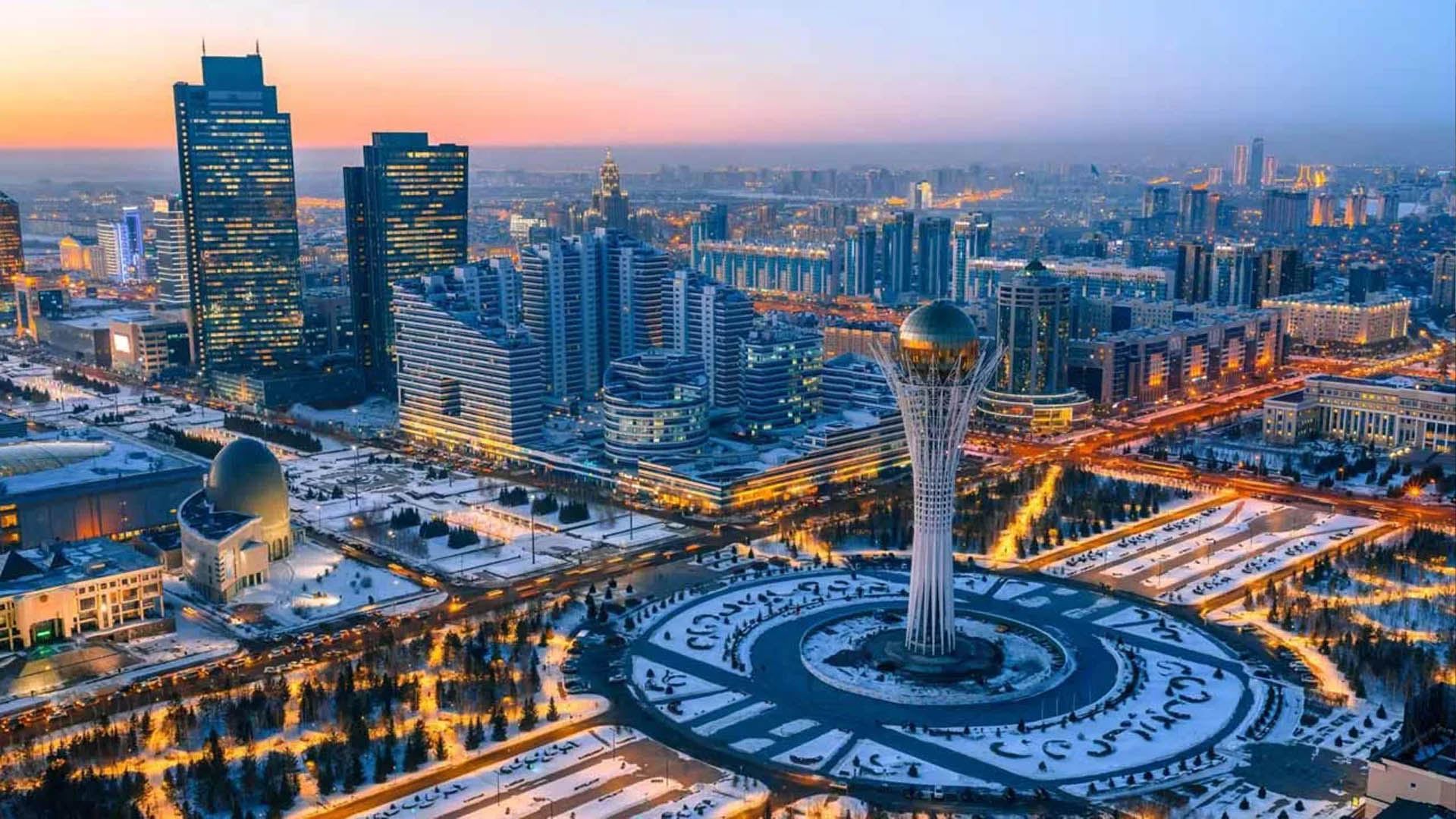
Kazakhstan’s geographic position—bridging Europe and Asia—offers a natural advantage in capturing global passenger and cargo flows.
- Country:
- Kazakhstan
Kazakhstan's aviation sector is rapidly strengthening its role as a cornerstone of national economic growth, supporting nearly 200,000 jobs and contributing billions to GDP, according to the International Air Transport Association (IATA), which has called for targeted reforms to unlock the country's full potential as a regional aviation hub.
The industry body highlighted that sustained investment in aviation infrastructure, global standards, and sustainable fuel production could position Kazakhstan as a major connector between Europe and Asia, while boosting tourism, trade, and foreign investment.
Aviation's Growing Economic Footprint
IATA data shows that aviation is already a significant contributor to Kazakhstan's economy:
-
44,700 jobs are directly supported by aviation
-
The sector generates USD 2.1 billion, accounting for 0.8% of GDP
-
Including supply chains, tourism, and induced spending, aviation contributes USD 6.4 billion to GDP
-
A total of 191,400 jobs are supported across the wider aviation ecosystem
Tourism linked to air transport is also playing a critical role, contributing USD 356 million to GDP and supporting 15,000 jobs, while international visitors spend an estimated USD 2.6 billion annually in the country.
These figures underscore aviation's expanding role as a catalyst for economic diversification and global integration.
Strategic Opportunity to Become a Regional Hub
Kazakhstan's geographic position—bridging Europe and Asia—offers a natural advantage in capturing global passenger and cargo flows. According to IATA, capitalising on this opportunity will require sustained policy focus and investment.
"Kazakhstan has the opportunity to capitalize on global passenger and cargo flows while positioning itself as a unique destination," said Rafael Schvartzman, IATA Regional Vice President for Europe.
He emphasized that strengthening aviation could have multiplier effects across tourism, logistics, and foreign direct investment.
Three Pillars for Future Growth
To sustain momentum and enhance competitiveness, IATA has identified three key priorities for policymakers:
1. Aligning with Global Standards
Adherence to international aviation safety and operational standards is seen as fundamental to growth.
Currently, only a limited number of Kazakh airlines—including Air Astana and SCAT—are authorised to operate flights to the European Union, reflecting the importance of meeting stringent regulatory benchmarks.
Expanding compliance across the sector would:
-
Enhance safety and efficiency
-
Increase international connectivity
-
Strengthen Kazakhstan's reputation as a reliable aviation hub
2. Investing in Affordable Infrastructure
Kazakhstan's aviation market is expanding rapidly, with passenger traffic growing at over 10% annually in recent years—outpacing global averages.
To accommodate this surge, infrastructure development is critical. Recent and planned projects include:
-
A USD 362 million upgrade of Almaty Airport
-
Plans for a second airport in Astana
Affordable, scalable infrastructure will be essential to sustaining growth without increasing costs for airlines and passengers.
3. Building a Sustainable Aviation Fuel (SAF) Industry
As the aviation sector moves toward its net-zero emissions target by 2050, Sustainable Aviation Fuel (SAF) is expected to play a dominant role, accounting for up to 65% of required emissions reductions.
However, global SAF production remains limited—representing just 0.6% of total jet fuel supply in 2025—creating both a challenge and an opportunity.
Kazakhstan, with its abundant natural resources and feedstock potential, is well-positioned to develop a domestic SAF industry with export capabilities. Key to this will be producing fuel that meets Jet A-1 standards, enabling access to major international markets such as the European Union.
Boosting Tourism and Investment
A stronger aviation sector is expected to significantly enhance Kazakhstan's tourism industry, making the country more accessible to international travellers and increasing its attractiveness as a destination.
Improved connectivity and infrastructure could also drive foreign direct investment, particularly in sectors such as logistics, energy, and services.
A Critical Moment for Policy Action
With strong growth momentum and clear strategic advantages, Kazakhstan stands at a pivotal moment in shaping its aviation future.
IATA's recommendations highlight that coordinated action—combining regulatory alignment, infrastructure investment, and sustainability initiatives—will be key to transforming the country into a major aviation hub in Central Asia.
If successfully implemented, these measures could not only strengthen the aviation sector but also deliver broad-based economic benefits, reinforcing Kazakhstan's position in the global economy.


 Google News