

W Cape Emerging as Global Astro Tourism Hub with Dark Sky Economy Strategy
Meyer highlighted that global tourism demand is increasingly moving away from traditional “sun, sea and scenery” packages toward immersive, knowledge-based experiences.
- Country:
- South Africa
The Western Cape Government is accelerating its transition toward high-value, experience-driven tourism, with astro tourism emerging as a key pillar in its strategy to drive economic growth, rural development, and job creation.
This strategic shift was underscored on Thursday during the graduation ceremony of a new cohort of Astro Night Sky Tourist Guides at the !Khwa ttu San Culture and Education Centre, where Western Cape MEC for Agriculture, Economic Development and Tourism, Dr Ivan Meyer, outlined the province's long-term vision to capitalise on its globally competitive natural assets—particularly its pristine, low-light night skies.
Speaking at the Department of Economic Development and Tourism (DEDAT) and Field Guides Association of Southern Africa (FGASA) Astro Night Sky Specialisation graduation, Meyer emphasised that the province is deliberately repositioning itself away from mass tourism toward a more sustainable, skills-driven and inclusive model.
"Tourism is integral to growth and job creation. What we are seeing now is a shift from a tourism strategy based on volume to one focused on value—where skills, storytelling, and sustainability define the visitor experience," Meyer said.
Tourism's economic weight continues to grow
Tourism remains one of the Western Cape's most significant economic sectors. In 2023 alone, it contributed approximately R28.6 billion to the province's Gross Value Added (GVA), while supporting more than 257,000 jobs across a wide value chain that includes guiding, accommodation, transport, food services, and cultural enterprises.
Industry analysts note that the Western Cape consistently ranks among South Africa's top-performing tourism regions, attracting both domestic and international visitors due to its diverse offerings—from urban experiences in Cape Town to nature-based and cultural tourism in rural districts.
However, changing global travel behaviour is reshaping how destinations compete.
From "sun and sea" to science and storytelling
Meyer highlighted that global tourism demand is increasingly moving away from traditional "sun, sea and scenery" packages toward immersive, knowledge-based experiences. Travellers are now seeking authenticity, sustainability, and deeper engagement with local environments and cultures.
This shift has prompted the Western Cape Government to invest aggressively in niche and special-interest tourism segments, including:
-
Heritage and cultural tourism
-
Nature-based and conservation tourism
-
Wellness and eco-tourism
-
Astro tourism and scientific tourism
Astro tourism, in particular, is gaining international traction as travellers seek out destinations with minimal light pollution and exceptional night sky visibility.
Unlocking the 'dark sky economy'
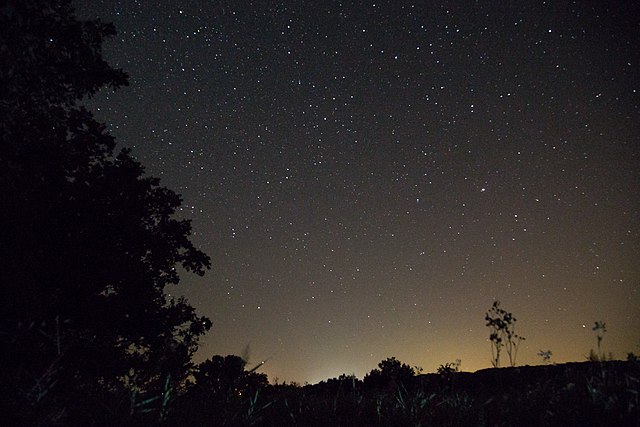
The Western Cape's geographic advantage—especially in regions such as the Karoo, West Coast, and inland rural areas—positions it as one of the world's premier destinations for astro tourism.
"These areas offer some of the darkest skies globally, which we are now recognising as a valuable economic asset," Meyer said.
"Astro tourism allows us to diversify our tourism offering, extend visitor stays, and drive economic activity beyond peak seasons. It also brings visitors into smaller towns, creating opportunities for local businesses and communities that have traditionally been excluded from mainstream tourism flows."
Experts estimate that globally, astro tourism is part of a rapidly growing niche travel market valued in the billions, with destinations such as Chile, Namibia, and parts of Australia already leveraging dark sky reserves to attract high-spending international visitors.
The Western Cape is now positioning itself to compete in this space by combining natural advantages with human capital development.
Building a new generation of specialised tourism professionals
At the centre of this strategy is the development of specialised skills, as demonstrated by the newly graduated Astro Night Sky Tourist Guides.
The programme, a collaboration between DEDAT and FGASA, is designed to equip guides with interdisciplinary expertise that blends astronomy, environmental awareness, indigenous knowledge systems, and storytelling.
"These guides are not just tour operators—they are interpreters of science, culture, and heritage," Meyer said.
"They transform the night sky into a meaningful and memorable experience. In doing so, they elevate the value of tourism and enhance the global competitiveness of our destination."
Training modules typically include celestial navigation, telescope use, astrophotography basics, cultural astronomy, and conservation of dark sky environments—ensuring that guides meet international standards.
Innovation through partnerships and inclusive growth
The partnership between government and industry bodies like FGASA is being highlighted as a model for how tourism strategies can be translated into tangible economic outcomes.
By aligning policy, training, and market demand, the province aims to create a sustainable pipeline of skilled professionals who can support the growth of niche tourism sectors.
Importantly, astro tourism is also being positioned as a tool for inclusive development.
Rural communities—particularly in underdeveloped regions—stand to benefit from new income streams through accommodation, guiding services, local crafts, and cultural experiences linked to night sky tourism.
"This is about ensuring that tourism growth is not only sustainable, but also inclusive," Meyer said. "We are creating opportunities where people live, rather than expecting them to migrate to urban centres."
Protecting natural assets while driving growth
A critical component of the strategy is the preservation of dark skies, which are increasingly under threat globally due to urbanisation and light pollution.
Graduates were encouraged to act as ambassadors not only for tourism, but also for environmental stewardship.
"You are now custodians of a unique natural resource," Meyer told the cohort. "Protecting our dark skies is essential—not just for tourism, but for future generations."
This aligns with broader sustainability goals, including reducing light pollution, promoting responsible tourism practices, and integrating conservation into economic planning.
A future-facing tourism model
As the Western Cape continues to refine its tourism strategy, astro tourism is expected to play an increasingly prominent role in attracting high-value travellers, extending geographic spread, and building resilience within the sector.
With continued investment in skills development, infrastructure, and marketing, the province is positioning itself as a leading global destination in the emerging "dark sky economy."
The graduation of the latest cohort of Astro Night Sky Tourist Guides marks a tangible step toward that vision—where innovation, sustainability, and inclusion converge to redefine tourism in the Western Cape.


 Google News