

African Leaders Push Asset Recycling as New Strategy to Finance Infrastructure Growth
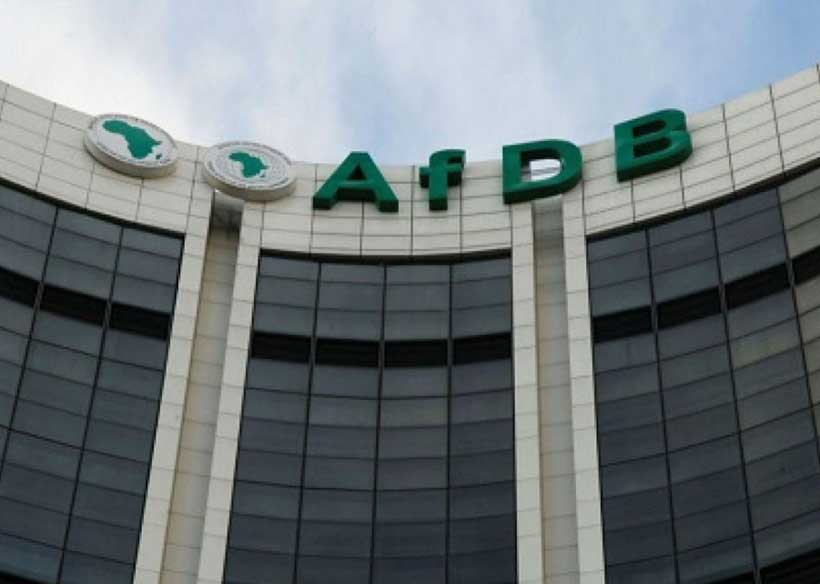
The issue took center stage during a high-level roundtable held in Brazzaville, Republic of the Congo, on 24 May during the African Development Bank Group’s 61st Annual Meetings.
- Country:
- Ivory Coast
African governments, development finance institutions, and private-sector leaders are increasingly turning to "asset recycling" as a potential solution to the continent's massive infrastructure financing challenges, amid growing debt pressures and tightening public budgets.
The issue took center stage during a high-level roundtable held in Brazzaville, Republic of the Congo, on 24 May during the African Development Bank Group's 61st Annual Meetings.
The event, titled Transforming Public Assets into Capital: Unlocking the Potential of Asset Recycling in Africa, brought together ministers, investors, financial institutions, and infrastructure experts to explore how African countries can use existing public assets to unlock new funding for development projects.
The discussions reflected growing recognition that traditional public financing alone may no longer be sufficient to meet Africa's vast infrastructure needs.
Africa's Infrastructure Gap Remains Massive
Africa continues to face one of the world's largest infrastructure financing deficits.
According to African Development Bank estimates, the continent requires approximately $150 billion annually to meet infrastructure development needs, including roads, ports, airports, railways, energy systems, and digital infrastructure.
However, many governments are struggling with:
-
Rising sovereign debt levels
-
Limited fiscal space
-
Higher borrowing costs
-
Global economic instability
-
Climate-related shocks
These financial pressures have made it increasingly difficult for countries to finance large infrastructure projects solely through public spending.
Infrastructure is widely viewed as essential for boosting industrial growth, regional trade, competitiveness, employment, and economic integration across Africa.
What Is Asset Recycling?
Asset recycling refers to a financing mechanism in which governments monetize existing public infrastructure assets — such as highways, airports, ports, electricity grids, or water systems — by leasing, concessioning, or partially privatizing them to private investors.
Governments can then reinvest the proceeds into new infrastructure projects or other strategic development priorities.
Supporters argue that the approach allows countries to unlock capital tied up in mature assets without necessarily selling them outright.
The model has been used in countries such as Australia and parts of Asia to generate funding for infrastructure expansion while attracting private-sector expertise and investment.
African Development Bank Calls for Faster Action
African Development Bank Group President Dr. Sidi Ould Tah strongly endorsed asset recycling during the roundtable, describing it as an essential financing tool for Africa's development future.
He said the mechanism offers governments a practical way to unlock the value of public infrastructure, mobilize private capital, and reinvest funds into priority sectors.
According to Dr. Tah, the Bank aims to help African countries make asset recycling:
-
Investable
-
Scalable
-
Development-oriented
-
Impact-driven
He urged governments to move quickly from discussing concepts to developing concrete project pipelines and ultimately creating a continent-wide asset recycling platform capable of attracting institutional investors and long-term financing.
Private Sector Sees Strong Potential
Africa50, the pan-African infrastructure investment platform that co-organized the event, also emphasized the growing importance of the strategy.
Africa50 Chief Executive Officer Alain Ebobissé argued that the debate should no longer focus on whether Africa should adopt asset recycling, but rather on how to implement it transparently and effectively.
Participants agreed that Africa already possesses significant public assets, institutional capacity, and pools of long-term capital that could support infrastructure financing if properly managed.
However, experts stressed that success would depend heavily on governance, transparency, regulatory reforms, and investor confidence.
Senegal Examining Asset Monetization
Several ministers shared examples of how their countries are exploring asset recycling strategies.
Senegal's Minister of Economy, Planning and Cooperation, Abdourahmane Sarr, revealed that public debt in Senegal has reached approximately 119 to 120 percent of GDP.
He said a recent inventory of public assets showed that around 40 percent could potentially be recycled to help reduce fiscal pressures and ease sovereign debt burdens.
According to Sarr, some assets may be suitable for transfer to the private sector in order to reduce government financial exposure, while others still require further development before becoming commercially viable.
Côte d'Ivoire Focuses on Investment Reforms
Côte d'Ivoire's Minister of Planning and Development, Souleymane Diarrassouba, highlighted the need for policy reforms aimed at attracting private investment into infrastructure projects.
He noted that Côte d'Ivoire's recently established sovereign wealth fund could become an important vehicle for financing major national infrastructure initiatives.
Many African governments are increasingly exploring sovereign wealth funds, public-private partnerships, and blended finance structures to mobilize additional development capital.
Ports and Energy Assets Seen as Strategic
Mauritania's Minister of Economic Affairs and Development, Abdallah Ould Souleymane Ould Cheikh Sidia, identified ports and energy infrastructure as particularly valuable assets capable of supporting transformative economic growth.
He said stronger infrastructure investment could also stimulate the development of small and medium-sized enterprises (SMEs), which remain central to employment and economic diversification across Africa.
Ports, transport corridors, and electricity systems are increasingly viewed as critical foundations for industrialization and regional trade integration under the African Continental Free Trade Area (AfCFTA).
International Institutions Open to Partnerships
Representatives from regional financial institutions signaled strong interest in supporting asset recycling initiatives.
The President of the Arab Bank for Economic Development in Africa (BADEA), Abdullah Almusaibeeh, stated that the institution is open to working with private-sector partners to help African countries develop innovative financing solutions.
Meanwhile, African Trade and Investment Development Insurance (ATIDI) CEO Manuel Moses urged governments to ensure that recyclable public assets are properly secured and managed.
He emphasized that proceeds generated from asset recycling should be invested in areas that directly benefit citizens and support long-term development.
Experts Warn Against Misusing Proceeds
One of the central messages emerging from the discussions was that asset recycling should not be used merely to fill short-term budget deficits.
Instead, speakers argued that proceeds should be directed toward productive investments capable of generating future economic returns.
Participants stressed that asset recycling must be accompanied by:
-
Strong governance frameworks
-
Transparent procurement systems
-
Credible project pipelines
-
Effective transaction preparation
-
Long-term investment planning
Without these safeguards, experts warned that poorly managed asset sales could increase public mistrust or fail to generate sustainable development benefits.
Infrastructure Financing Becoming More Urgent
The discussions in Brazzaville reflect broader global concerns over how developing economies can finance infrastructure amid rising debt levels and tightening financial conditions.
Africa's rapidly growing population, urbanization trends, and industrial ambitions are expected to drive massive infrastructure demand over the coming decades.
Development institutions increasingly argue that private-sector participation will be essential to closing the financing gap.
Asset recycling is now emerging as one of several strategies African countries may use to mobilize long-term capital while reducing pressure on public finances.
As governments seek new ways to finance development without deepening debt vulnerabilities, the effectiveness of these strategies could play a major role in shaping Africa's future economic transformation.
ALSO READ
-
African Development Bank Steps Up Push to Deliver Roads, Airport and Services in CAR
-
DRC Pushes Electricity Reforms to Protect Household Budgets and Unlock Power Investment
-
AfDB and Germany Join Forces to Connect Africa Through Better Rail
-
Morocco Secures €270 Million for Airport Upgrades as Passenger Demand Keeps Growing
-
AfDB Shifts Focus in CAR From Funding Projects to Fixing Delivery Bottlenecks


 Google News