

ADB Calls for Customised Approach to Support for Small Island Nations
The report found that capacity-building initiatives often fail to become fully embedded within government systems, making it difficult to maintain progress after individual projects end.
- Country:
- Philippines
A new independent evaluation by the Asian Development Bank (ADB) has called for a more customized approach to supporting small island developing states (SIDS), warning that long-term resilience cannot be achieved through funding alone. The report, Waves of Resilience: Evaluation of ADB's Support to Small Island Developing States, reviewed the bank's work across island nations in Asia and the Pacific between 2012 and 2024. It found that while ADB has expanded its support and strengthened its focus on climate and disaster risks, many island countries continue to face significant barriers that limit the effectiveness of development efforts.
The evaluation acknowledged several positive developments over the past decade, including increased access to concessional financing, a stronger field presence and greater attention to the unique risks faced by island nations. Despite this progress, the report concluded that important gaps remain between strategic goals and how support is delivered on the ground. According to the evaluation team, building resilience in island nations requires stronger institutional capacity and more sustained support that reflects local realities.
Capacity constraints remain a major obstacle
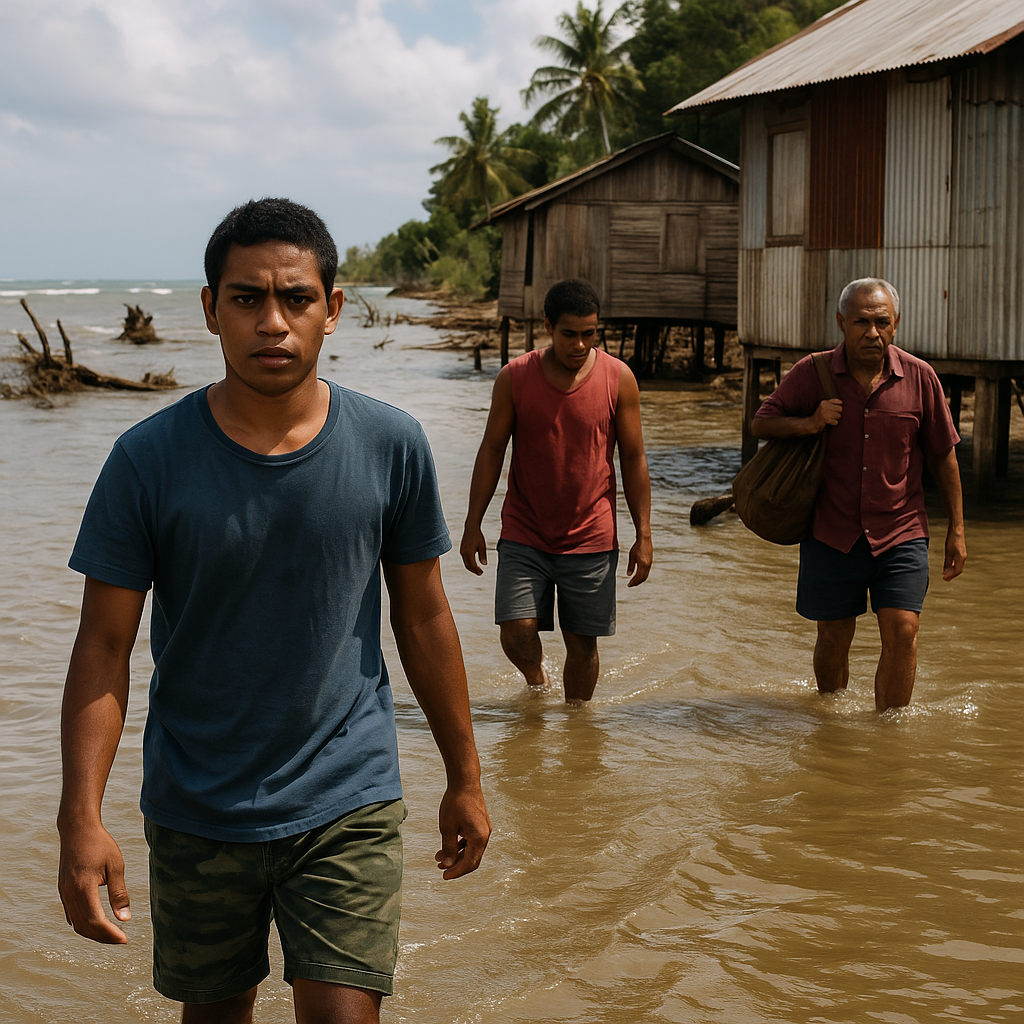
Small island developing states face a unique combination of challenges that can make development progress difficult to sustain. Many countries are geographically isolated, highly vulnerable to climate change and natural disasters, and heavily exposed to economic shocks. Limited government capacity and small private sectors further complicate efforts to implement large-scale development programmes.
The report found that capacity-building initiatives often fail to become fully embedded within government systems, making it difficult to maintain progress after individual projects end.
Independent Evaluation Department Director General Emmanuel Jimenez said resilience-building depends not only on financial support but also on strengthening institutions capable of managing risks and sustaining development gains over time.
The evaluation also noted that support is frequently delivered through separate projects rather than integrated programmes. This fragmented approach can reduce overall impact, particularly in countries where resources and technical expertise are already stretched.
Stronger long-term engagement recommended
The report recommends a shift toward longer-term engagement models that combine financing, institutional development and implementation support within a single framework. Senior Evaluation Specialist Nassreena Baddiri, who led the evaluation, said stronger results will depend on aligning project design with local capacity and providing support over realistic timeframes. Rather than relying on individual projects, the report encourages ADB to adopt more coherent approaches that address interconnected challenges through coordinated interventions.
Private sector development was identified as another area requiring greater attention. While ADB has increased efforts to encourage private investment in small island states, engagement remains limited and is still at an early stage in many countries.
The evaluation suggests that future private sector initiatives should be more closely linked to national development priorities and policy reforms. It also recommends focusing on long-term partnerships and repeat engagement rather than isolated transactions.
The report concludes that achieving lasting development outcomes in small island nations will require a deeper commitment to institutional strengthening, stronger coordination across programmes and development strategies that reflect the specific needs and vulnerabilities of each country.
As climate risks, economic pressures and development challenges continue to intensify across many island nations, the evaluation argues that tailored and sustained support will be essential to building stronger and more resilient communities.
ALSO READ
-
Bangladesh Secures $100m ADB Loan to Help 40,000 Families Build Safer Homes
-
ADB’s Five-Year Plan Backs Better Services and More Jobs Across Papua New Guinea
-
Vanuatu Communities to Gain New Disaster Shelters With $12.6m ADB Grant
-
Mongolia Secures $100 Million ADB Loan to Strengthen Disaster Readiness
-
Türkiye Secures $400m ADB Loan for Resilient Homes and Women-Inclusive SMEs


 Google News