

Nepal Secures $305.75 Million ADB Boost for Safer Highways and Wildlife Protection
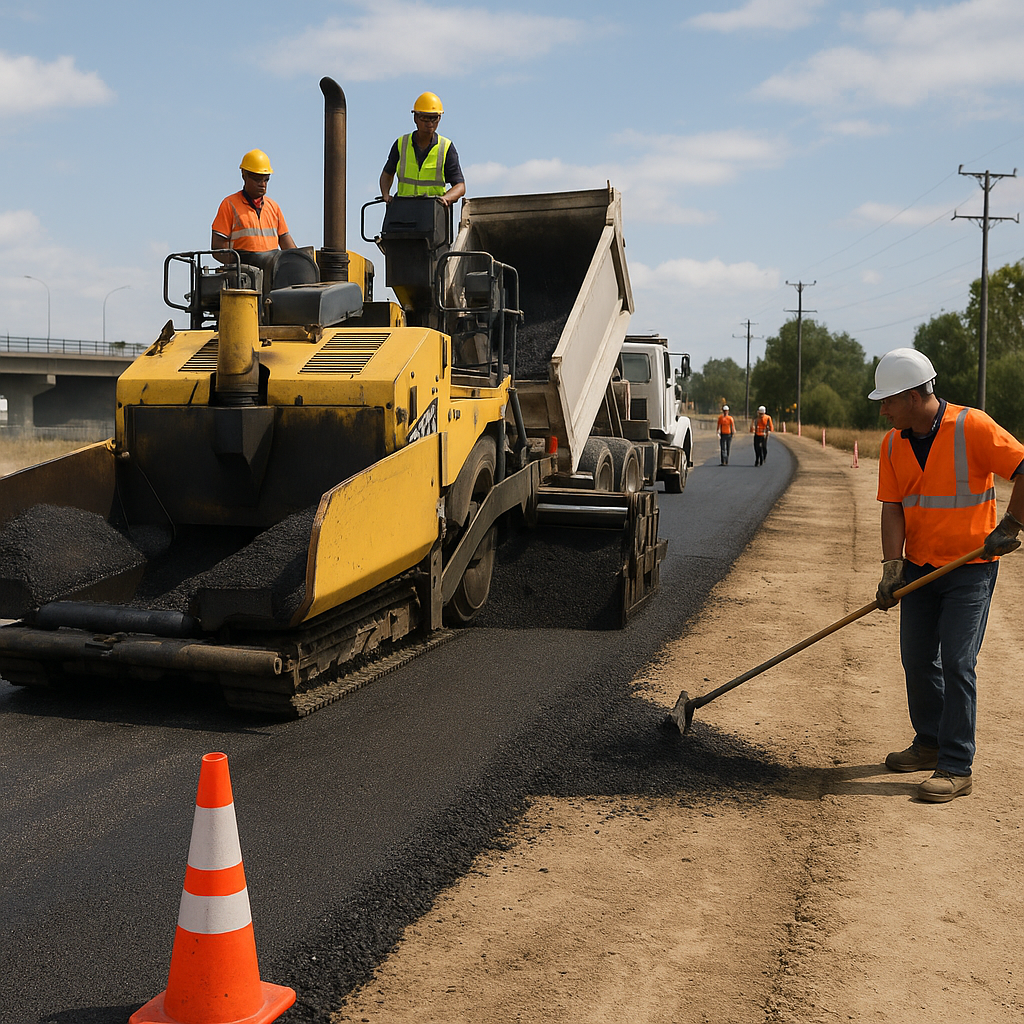
Work on the Prithvi Highway will expand the remaining 8.7-kilometre Mugling–Abukhaireni section to four lanes, including new road sections and bridges along the busy route linking Kathmandu with Pokhara.
- Country:
- Nepal
Nepal's busiest transport corridors are set for major improvements after the Asian Development Bank approved $305.75 million in financing to upgrade sections of the East–West and Prithvi highways, combining wider roads and stronger bridges with measures to protect wildlife. The investment will support journeys that connect communities, businesses and tourism destinations, with road designs that address the risks of floods, landslides and a changing climate. Better connectivity along these routes is expected to strengthen regional trade and make travel safer and more reliable.
Wider Roads on Two Important Routes
The SASEC Highway Improvement and Ecosystem Restoration Project will rehabilitate approximately 70 kilometres of the East–West Highway between Narayanghat and Hetauda, expanding the road from two lanes to four. This corridor is an important part of Nepal's transport network, and the improvements will support the movement of people and goods through infrastructure designed to handle transport needs and withstand environmental pressures. The project connects road modernisation with ecosystem restoration, recognising that the route serves communities and businesses as well as crossing areas important to wildlife.
Work on the Prithvi Highway will expand the remaining 8.7-kilometre Mugling–Abukhaireni section to four lanes, including new road sections and bridges along the busy route linking Kathmandu with Pokhara. For people travelling between the two cities and businesses moving goods along the corridor, the upgrades are expected to improve travel efficiency and safety.
The financing package includes a $285 million loan from ADB's ordinary capital resources, a $20 million grant from the Asian Development Fund's regional cooperation and integration thematic window, and $750,000 in technical assistance from ADB's Technical Assistance Special Fund.
Creating Space for Wildlife and Local Livelihoods
An elevated highway section across the Barandabhar wildlife corridor will restore critical animal movement routes between protected ecosystems in the Terai Arc Landscape and reduce the risk of collisions between vehicles and wildlife. This feature addresses a central challenge of building roads through environmentally sensitive areas: maintaining transport connections without cutting off the routes animals need to move between habitats. Biodiversity conservation measures and wildlife connectivity infrastructure will receive support through the grant, placing habitat protection within the project's wider transport plans.
The grant will also support sustainable tourism investments in the Chitwan area, road safety improvements and training programmes that create livelihood opportunities for women, extending the project's benefits beyond the highway itself. Support for institutional capacity in sustainable transport planning will help strengthen the ability to manage future infrastructure needs.
ADB Country Director for Nepal Arnaud Cauchois described the project as an opportunity to revitalise a major corridor for people, businesses and tourism, explaining that resilient infrastructure and wildlife-friendly design can support biodiversity conservation, sustainable development and inclusive economic growth.
Building Roads That Can Withstand Disasters
Improved drainage, stronger embankments, slope stabilisation and resilient bridge designs will help reduce the highways' exposure to floods and landslides, addressing hazards that threaten reliable transport links. These engineering measures are intended to keep the corridors dependable as natural hazards and disaster risks increase, making resilience a practical part of the investment. Maintaining road access matters for the communities and businesses that depend on these routes for everyday travel, supplies and connections to wider markets.
The project supports Nepal's priorities for stronger national and regional connectivity, trade under the South Asia Subregional Economic Cooperation programme, and more resilient infrastructure. It also aligns with ADB's country partnership strategy for Nepal for 2025–2029, which supports sustainable economic infrastructure and regional integration. The Asian Development Fund's contribution reflects its broader role in helping countries most in need respond to current challenges and build foundations for lasting growth.
ALSO READ
-
ADB Calls for Faster Pacific Climate Funding as Rising Seas Threaten Island Futures
-
From Coal to Cattle: Why Mongolia Needs a Structural Economic Shift to Meet Its Climate Targets
-
AI’s Power Appetite Is Forcing Asia to Rethink the Infrastructure Behind Innovation
-
ADB’s GEL120m Credo Bank Loan Opens Doors for Small Businesses in Georgia
-
Can Tajikistan’s $20.5 Million Pension Reform Bring Informal Workers Into the Safety Net?


 Google News