

Vilnius secures €110m to bring electric, hydrogen buses and charging facilities
The European Investment Bank (EIB) and the Council of Europe Development Bank (CEB) are each lending €55 million to Vilniaus Viešasis Transportas (VVT), the city’s public transport operator.
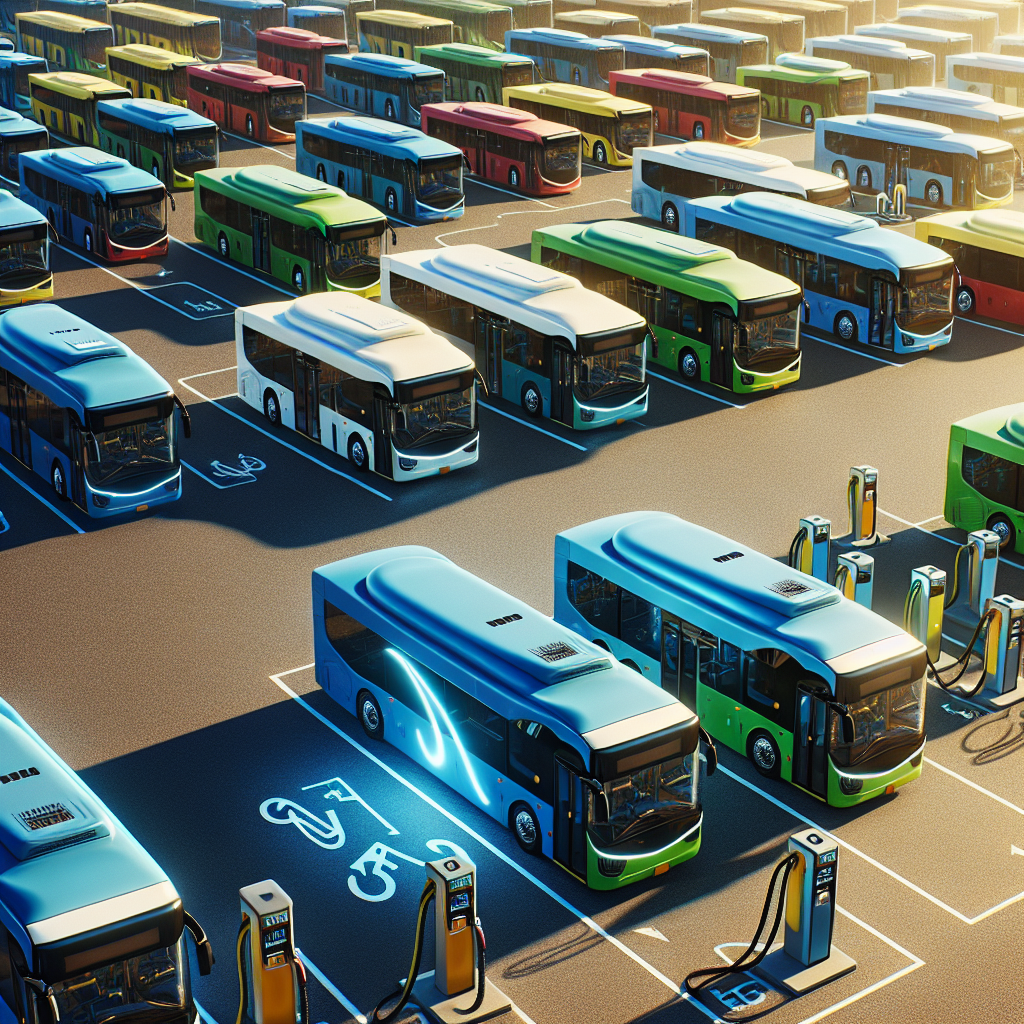
Bus passengers in Vilnius are set to see older diesel and liquefied petroleum gas vehicles replaced by electric and hydrogen buses under a €110 million financing package that will help reshape public transport in the Lithuanian capital. The investment covers new vehicles, charging facilities and depot upgrades, with completion scheduled for the end of 2027.
The European Investment Bank (EIB) and the Council of Europe Development Bank (CEB) are each lending €55 million to Vilniaus Viešasis Transportas (VVT), the city's public transport operator. The announcement sets out plans for up to 160 new zero-emission buses, creating one of the largest fleets of its kind in the Baltic region and bringing cleaner, quieter travel to a city of more than 600,000 residents.
New buses need a network behind them
VVT will use the loans to help finance 145 charging stations and improvements to existing depots, providing the facilities needed to keep the vehicles ready for everyday service. Replacing older diesel and liquefied-petroleum-gas buses is expected to reduce greenhouse gas emissions, smog and traffic noise. For residents, the changes should mean more comfortable journeys and less pollution on the streets where they live, work and wait for their bus.
The investment supports Vilnius' ambition to become climate neutral by 2030, giving the city a practical way to connect its environmental commitments with a service people use every day. EIB Vice-President Karl Nehammer described the project as an example of European cities turning climate ambition into visible improvements for citizens, pointing to cleaner buses, better public transport and healthier urban surroundings.
Four banks support a wider transport overhaul
The bus project forms part of VVT's broader investment programme to modernise public transport, with separate support helping renew the city's trolleybus fleet. The European Bank for Reconstruction and Development (EBRD) and the Nordic Investment Bank (NIB) are financing the trolleybus renewal, joining the EIB and CEB in supporting the wider overhaul. The arrangement marks the first time four international financial institutions have jointly financed a project in the Baltics and is among the first examples of such cooperation in Europe.
CEB Vice-Governor Tomáš Boček stressed the everyday benefits of the investment, including cleaner air, lower emissions and better mobility for low-income households, older people and people with disabilities. Those priorities put the focus on passengers as much as vehicles, recognising the importance of public transport for residents who depend on it to reach work, essential services and other parts of the city.
A major investment with a small difference in the numbers
VVT Chief Executive Officer Ignas Degutis called the investment one of the most ambitious public transport modernisation programmes in the operator's history. He thanked both lenders for their support and said the buses and supporting infrastructure would help deliver reliable services and cleaner, quieter, more comfortable journeys. Degutis referred to investment in 161 zero-emission buses, a slightly different figure from the "up to 160" stated in the financing announcement. The supplied information does not explain that difference.
The EIB has supported a range of investments in the capital and now backs four municipal companies whose responsibilities cover water, heating, street lighting, school management services and transport. For bus users, the most visible results will arrive as the new vehicles enter service and the charging network takes shape before the project's scheduled completion at the end of 2027.


 Google News