

UPDATE 2-Argentina central bank faces peso test ahead of fraught election
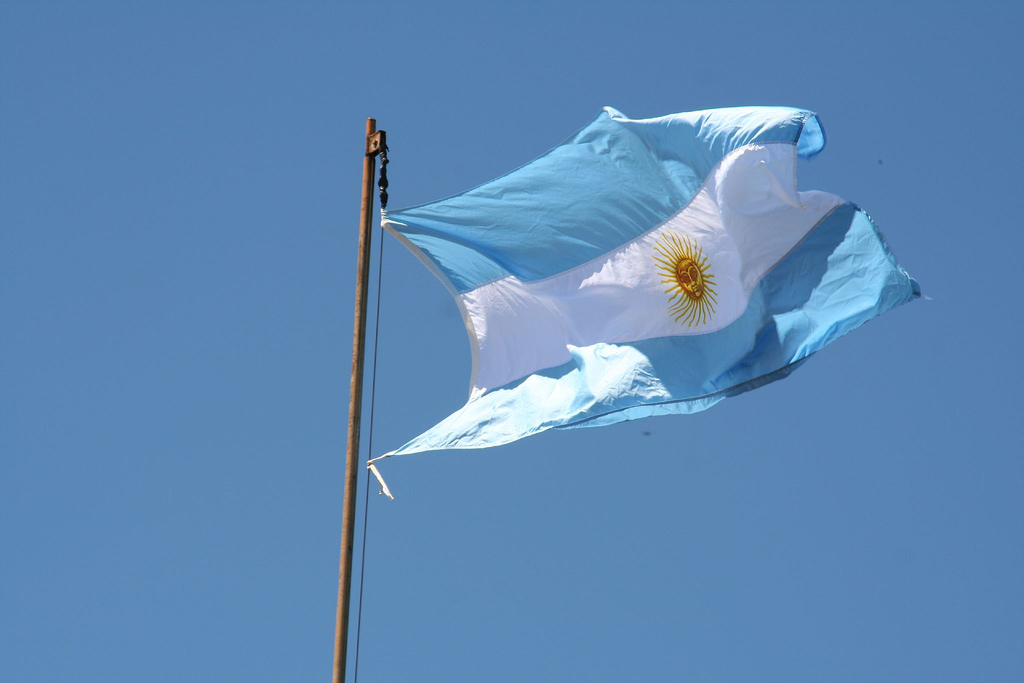
- Country:
- Argentina
Argentina's central bank must toe a politically fraught line between providing support for the peso without blasting through the bank's reserves, as policymakers seek to salvage the currency ahead of the October presidential election, analysts said on Friday. The peso was in free-fall for most of this week after a shock primary election result on Sunday, when center-left presidential candidate Alberto Fernandez trounced center-right President Mauricio Macri.
The scale of Fernandez's victory suggested he could win the upcoming ballot in the first round, but potentially be left as leader of a country that has very few foreign reserves left, raising the chances of a debt default. "One strategic element for the government and the opposition is how the current reserves of the central bank are used," consultancy Fundacion Mediterranea said in a note. "The opposition does not want the current administration to leave the central bank with very few reserves, and it is convenient for the government that the proposals announced by the opposition are reasonable for the markets."
The central bank, which is nominally independent but has long been prone to executive interference, has about $66 billion in reserves, of which about $20 billion are free resources that can used to pay debt and stabilize the peso, according to an Argentine government official. Since Sunday's vote, the central bank has auctioned a total of $503 million. The peso strengthened 4.36% on Friday to 55 pesos per dollar, giving policymakers a bit of breathing room. But for the week it ended 17.58% weaker, and it is down almost a third against the greenback so far in 2019.
The peso's collapse, which comes amid growing fears of a global recession, forced the central bank to sell dollars and oblige private banks to trim their dollar holdings and provide liquidity to the market. The new dollar holdings rule unleashed about $400 million into the market, traders said. Macri announced on Thursday that sales taxes of around 21 percent on basic foodstuffs would be axed until the end of the year to soften the impact on the poor of an International Monetary Fund-backed austerity program. The government estimated the sales tax freeze will cost about 10 billion pesos ($174.2 million).
The shelving of the taxes was the boldest in a series of fiscal loosening measures totaling hundreds of millions of dollars that Macri has unveiled since the primary vote, as he seeks to salvage his re-election bid and breathe life into the recession-battered economy. But it was an awkward about-turn for a president who took office in 2015 vowing to slash public subsidies and correct what he called years of leftist economic mismanagement.
Argentine over-the-counter sovereign bonds rose an average of 1.8% on Friday, traders said, while the Merval stock index was down 1.4%. In a client note, Citi said Macri will want the central bank to continue using reserves to defend the peso. A further collapse of the currency could be the final nail in his re-election chances.
"Fernandez is the big favorite to win the elections. But with Macri and Fernandez still in campaign mode, the transition will be difficult, with little incentive to calm the markets," Citi said in a note. "Macri has an incentive to continue intervening to stabilize the peso." That leaves Fernandez in a bind, relying on a Macri-controlled central bank to deliver him a country with both healthy reserves and a healthy currency. As such, some analysts suggested he could lessen his reliance on the central bank by doing a better job of communicating with investors.
"The initial signals (from Fernandez) have all been worrisome with no apparent understanding of basic economic principles through the populist campaign rhetoric and no sensitivity to the recent financial stress," Amherst Pierpont Securities said in a note.


 Google News