

Optimizing Learning: Matching Child Skill with School Complexity for Better Outcomes
The study highlights that learning is most effective when a child's skill level matches school complexity, with mismatches reducing schooling productivity. It emphasizes the need for adaptive curricula and personalized instruction to optimize educational outcomes.
 CoE-EDP, VisionRI
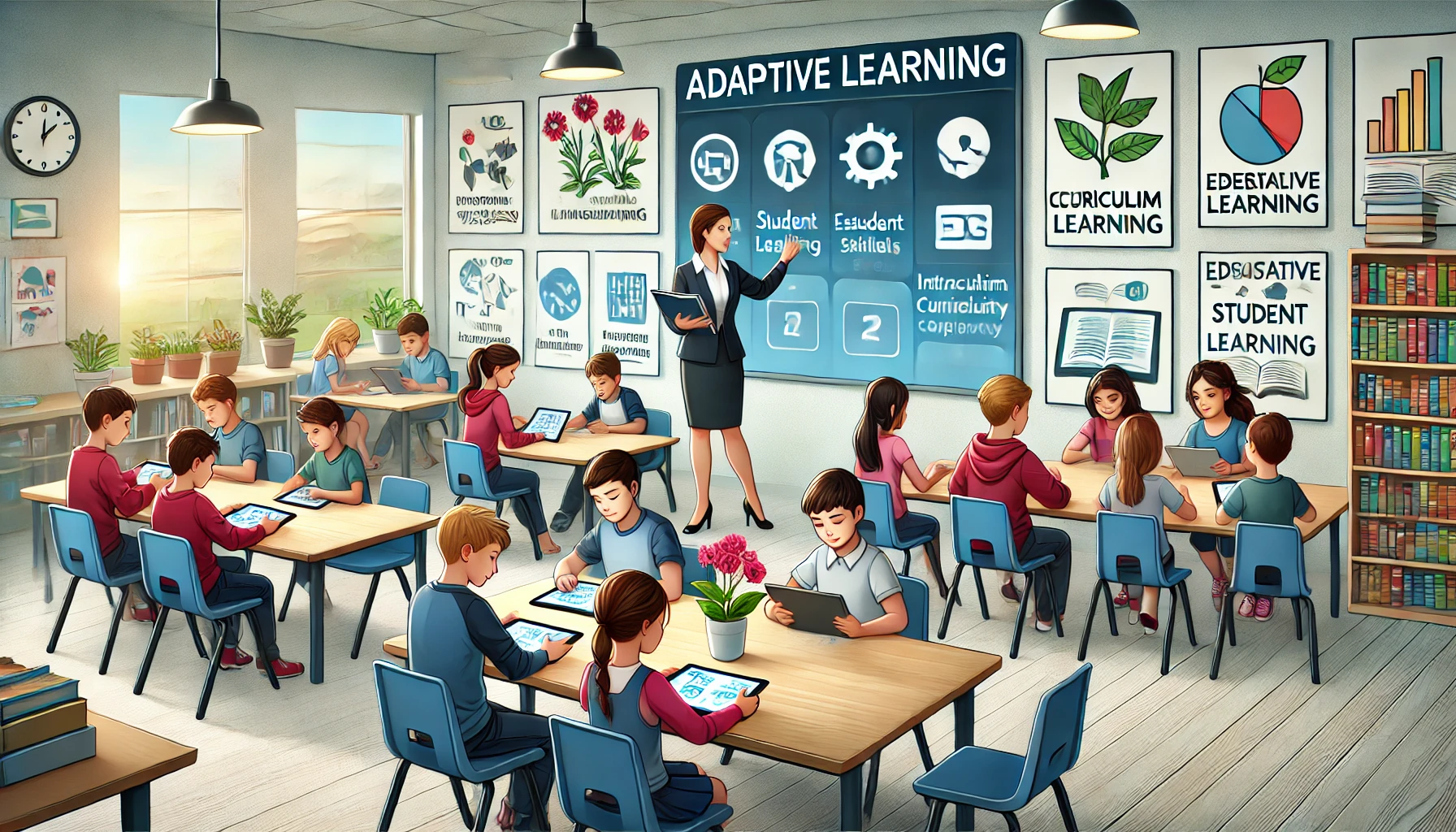
A study authored by Juan F. Castro from Universidad del Pacífico in Lima, Peru, and Lucciano Villacorta from the Central Bank of Chile, offers a groundbreaking perspective on how the alignment between a child's skills and school complexity impacts learning. Published in The World Bank Economic Review, this research builds on the premise that learning is maximized when a child's skill level matches the complexity of the school curriculum. Using longitudinal data from the Young Lives Study in Peru, India, and Vietnam, the study challenges conventional educational policies that assume increased schooling directly leads to better learning. Instead, it presents evidence that instructional mismatches—where education is either too difficult or too easy—significantly affect learning outcomes. This argument is rooted in established learning theories, including constructivism and cognitive load theory, both of which emphasize the importance of appropriately challenging educational experiences.
A New Model for Measuring Schooling Productivity
The research uses a unique methodology to analyze how different levels of school complexity interact with a child's pre-existing skills. The study relies on the Peabody Picture Vocabulary Test (PPVT), a widely used assessment for cognitive development, as a measure of student skill. School complexity is assessed using two different approaches—curriculum coverage in Peru and self-reported academic competence in India and Vietnam. To establish causality and minimize bias, the authors employ a value-added model combined with an instrumental variable approach, using birth dates as an exogenous variation that influences school entry age. A non-linear dynamic panel model is then applied to measure how the impact of schooling changes based on the match or mismatch between a child's skills and the school's level of complexity.
The Inverted-U Relationship: When More Skill Stops Helping
One of the most significant findings of the study is that the effectiveness of schooling is maximized when there is an ideal match between the child's skill level and school complexity. If a child's skill level is too low for the curriculum, they struggle to engage with lessons, reducing learning gains. Conversely, if a child's skill level is too high for the material, their schooling productivity diminishes as they are insufficiently challenged. This results in an inverted-U relationship, where learning improves as a child's skill level rises, but only up to a point. Beyond this optimal match, further increases in skill actually lower the productivity of schooling, as the gap between student competence and instructional content widens. The same pattern was observed in all three countries studied, reinforcing that the phenomenon is not unique to any specific education system.
Cross-Country Evidence and Practical Implications
To ensure the findings were not specific to Peru, the study extended its analysis to India and Vietnam, where school complexity was measured using students' self-reported academic competence. The results were consistent across all three countries—students in environments that were too challenging benefited when their skill levels improved, while those in overly simple school settings saw diminishing returns as their skills advanced beyond what was required. These findings highlight that the way schools tailor their instruction matters just as much—if not more—than simply increasing access to education. They also offer strong empirical support for targeted interventions such as Teaching at the Right Level (TRL), which personalizes instruction based on student abilities.
Rethinking Education Policy: A Call for Customization
The policy implications of this research are profound. Many educational reforms in developing countries focus on increasing school enrollment and extending years of schooling. However, this study demonstrates that merely adding more years of schooling will not necessarily improve learning outcomes unless instructional mismatches are addressed. Schools must shift toward a model where curricula are adaptable and responsive to student skill levels rather than adhering to rigid, one-size-fits-all structures. More importantly, school quality should not only be defined by resources and infrastructure but by how well instructional content aligns with student abilities. By addressing these mismatches, education systems can significantly enhance learning outcomes, particularly for students who currently struggle due to inappropriate curriculum difficulty.
By explicitly modeling how the mismatch between early childhood skills and school complexity affects the productivity of schooling, this research contributes to a broader understanding of human capital development. While previous studies have shown that early childhood skill formation has a long-term impact on educational and labor market outcomes, this study clarifies that these benefits are conditional on whether later educational experiences are appropriately matched to the student's abilities. This finding reconciles previous conflicting studies, where some showed persistent advantages for early skill acquisition, while others found that highly skilled children often faced lower marginal returns in later schooling due to mismatches.
The research by Castro and Villacorta provides compelling evidence that optimizing the alignment between child skill levels and school complexity is essential for maximizing learning outcomes. It challenges the traditional assumption that more schooling always equates to better learning and highlights the need for educational policies that prioritize instructional matches. By incorporating insights from behavioral economics, cognitive psychology, and education policy, the study presents a robust framework for improving schooling effectiveness in developing countries. Moving forward, policymakers and educators must focus on adaptive learning strategies that ensure students receive instruction at an appropriate level of complexity. Rather than investing solely in increasing school access, attention should be directed toward making sure the education system effectively caters to diverse learning needs. This research offers a clear roadmap for achieving more equitable and efficient education systems worldwide.
- FIRST PUBLISHED IN:
- Devdiscourse


 Google News