

China needs $17 trillion in investments to meet climate goals, World Bank says
China needs up to $17 trillion in additional investments for green infrastructure and technology in the power and transport sectors to reach net-zero emissions by 2060, a new World Bank report on China's climate and development challenges found.
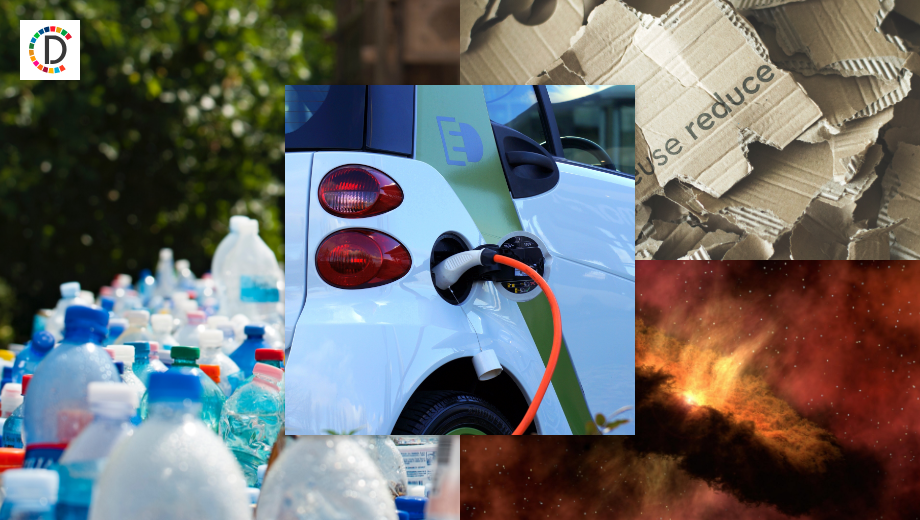
China needs up to $17 trillion in additional investments for green infrastructure and technology in the power and transport sectors to reach net-zero emissions by 2060, a new World Bank report on China's climate and development challenges found. The report, one of a new series of Country Climate and Development Reports, said China - the world's second-largest economy - would need private investment to cover the immense price tag and unleash the needed innovations.
Climate change poses a significant threat to China, especially its densely populated and economically critical low-lying coastal cities, and unabated climate change could cut its economic output by 0.5% to 2.3% as early as 2030, according to the report, which was released on Wednesday. "China's long-term growth prospects are increasingly dependent on rebalancing the economy from infrastructure investment to innovation, from exports to domestic consumption, and from state-led to market-driven allocation of resources," said Manuela Ferro, the World Bank's vice president for East Asia and the Pacific.
It would also be impossible to reach global climate goals without China transitioning to a low-carbon economy, the report said, noting that China emits 27% of global carbon dioxide and a third of the world's greenhouse gasses. "This transition will require a massive shift in resources, innovation and new technologies to enhance energy efficiency and resource productivity," the report said.
At the same time, it said China could leverage existing advantanges, including higher returns on production of low-carbon technologies, a high domestic savings rate and a leadership position in green finance. But it said private-sector participation was "crucial" to ensure China's path to carbon neutrality, and underscored the need for a more predictable regulatory environment and better access to markets and finance.


 Google News