

FACTBOX-What is the humanitarian situation in besieged Gaza?
Before the hostilities erupted on Oct. 7, some 400 trucks were going into Gaza daily. WATER One of three water supply lines to Gaza from Israel has been restored for the first time since Oct. 8, OCHA said. The operation of water wells and desalination plants in the southern half of Gaza stopped almost completely on Nov. 2, after their fuel reserves all but ran out.
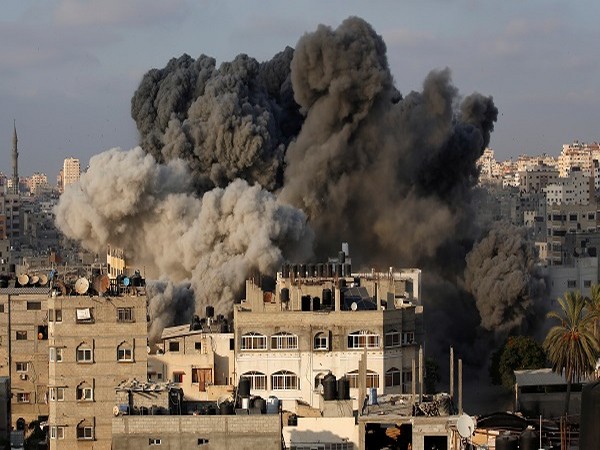
Global calls for a "humanitarian pause" in the Israel-Hamas war have gone unheeded, preventing anything more than a trickle of humanitarian aid from entering Israeli-besieged Gaza as shortages of food, fuel, drinking water and medicine worsen. Here is a rundown of what some U.N. agencies call a "humanitarian catastrophe" enveloping the tiny Hamas-ruled enclave of 2.3 million people.
DISPLACEMENT Nearly 1.5 million people - more than half the population of the Gaza Strip - have fled their homes, with nearly 700,000 sheltering in buildings run by the U.N. Palestinian refugee agency (UNRWA), the U.N. humanitarian office (OCHA) says.
On Nov. 2, four UNRWA shelters were hit, killing at least 23 people, OCHA said. Israel has called on civilians in north Gaza - the heart of Hamas' forces - to evacuate to the south for their own safety, though the south has also been hammered by Israeli air strikes that have killed and injured non-combatants.
HOSPITALS Over a third of Gaza's 35 hospitals are not functioning and those still in service report dire fuel shortages that have severely reduced their electricity supply, the World Health Organization (WHO) says.
Gaza health authorities reported that on Nov. 2 the main electricity generator of the Indonesian hospital in northern Gaza ceased to operate due to a lack of fuel, OCHA said, "exposing hundreds of patients with serious injuries to imminent risk of death or lifelong disabilities". Already, the
Turkish-Palestinian Friendship hospital in Gaza City which treats cancer patients has run out of fuel and is no longer operational, according to WHO.
Israel is talking to medical agencies about setting up field hospitals
in southern Gaza, an official said on Thursday. The WHO has documented 93 attacks in the Gaza Strip since the conflict began, killing 16 on-duty health care workers and damaging or destroying 28 ambulances.
AID DELIVERIES On Nov. 2, 102 trucks carrying humanitarian supplies entered Gaza through the Rafah border crossing from Egypt, OCHA said. This is the biggest since aid deliveries resumed on Oct. 21, bringing the total number of trucks that entered to 374.
Previously, only about 14 trucks a day were entering Gaza, according to Reuters' calculations. Before the hostilities erupted on Oct. 7, some 400 trucks were going into Gaza daily.
WATER One of three water supply lines to Gaza from Israel has been restored for the first time since Oct. 8, OCHA said.
The operation of water wells and desalination plants in the southern half of Gaza stopped almost completely on Nov. 2, after their fuel reserves all but ran out. FUEL
Aid groups say fuel is urgently needed to distribute aid
and to power hospitals, bakeries and desalination plants. But the entry of fuel remains banned by Israel which says it could be diverted to Hamas for military purposes.


 Google News