

Climate Change and Migration: A Risky Journey for Mekong Delta Inhabitants
Climate change has exacerbated droughts in the Mekong Delta, forcing many of its 65 million residents to migrate. The perilous journeys often lead to human trafficking, with victims exploited in forced labor, marriage, and organ harvesting. Despite regional efforts, weak governance and lack of climate adaptation strategies heighten migrants' vulnerabilities.
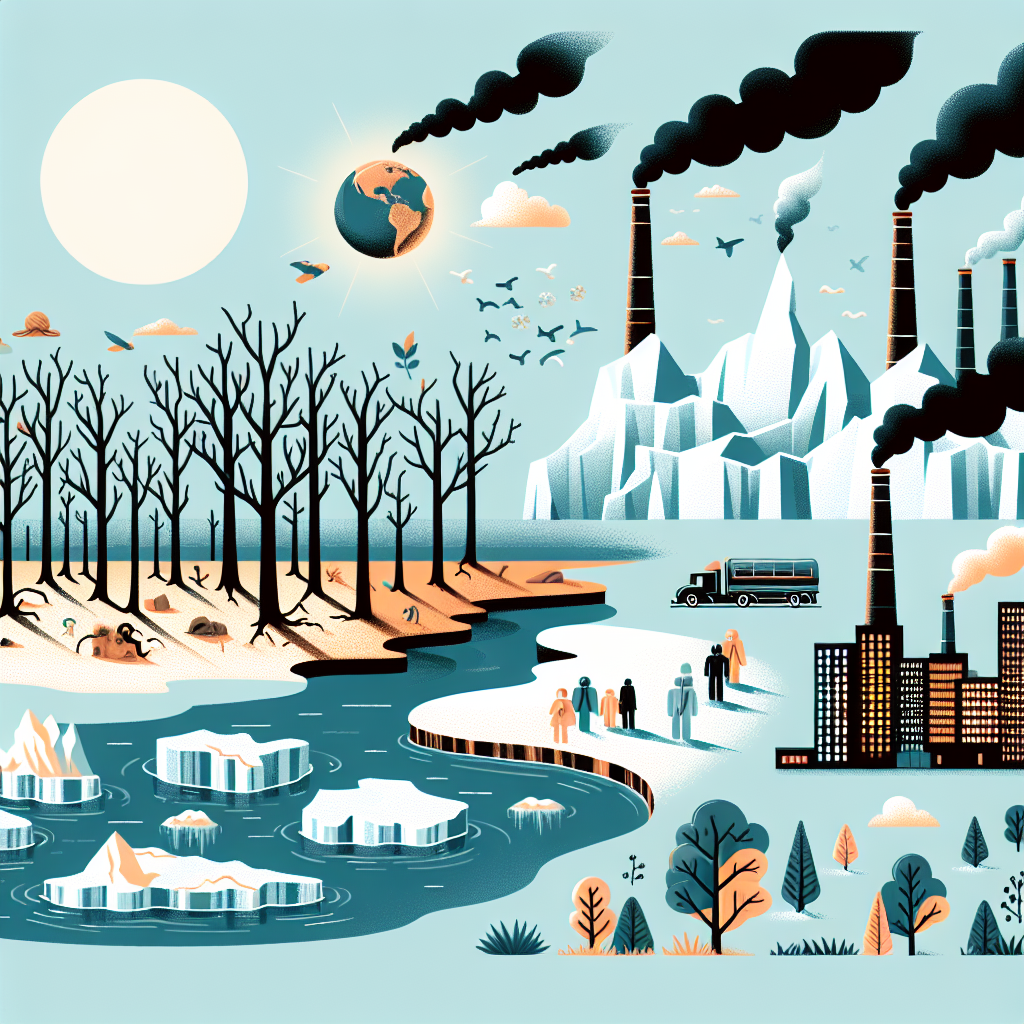
Climate change has intensified drought conditions in the Mekong Delta, driving many of the region's 65 million inhabitants to seek livelihoods elsewhere. This migration is fraught with danger, often leading to human trafficking where victims are forced into severe exploitation, including labor, marriage, and organ harvesting.
Human trafficking networks target these migrants who are made vulnerable by their desperate situations. Tens of thousands are held against their will and exploited, according to estimates that reveal a grim picture across countries like Cambodia, Myanmar, Thailand, Laos, and China. The Global Slavery Index 2023 notes that over 29 million people in East Asia and the Pacific were victims of human trafficking in 2021.
Despite international protocols like the Palermo Protocol, varied definitions of trafficking among Mekong countries hinder mutual recognition of victims. Regional initiatives and organizations like the Mekong River Commission and COMMIT aim to bolster cooperation, but gaps remain, especially in integrating climate change strategies to address migration and trafficking.
ALSO READ
-
Better Heat Planning Can Protect Crowds and Ease Pressure on Hospitals, WHO Says
-
UN Experts Warn Racism Follows African Migrants Through Dangerous Global Journeys
-
Hotter Years, More Cavities? Understanding Link Between Climate and Dental Health
-
Mozambique Shapes New Climate Strategy to Protect Communities From Extreme Weather
-
Climate Change Is Deepening the Crisis for Millions Living Without a Nationality Today


 Google News