

Energy Sector Strained: Middle East Conflict Disrupts Global Oil & Gas Supply
The ongoing U.S.-Israeli conflict with Iran has significantly disrupted oil and natural gas exports across the Middle East. Production halts affect countries like Kuwait, UAE, and Qatar, reducing global supply. The closure of the Strait of Hormuz and shipping attacks have exacerbated the situation. Nations are seeking alternative supplies as prices rise.
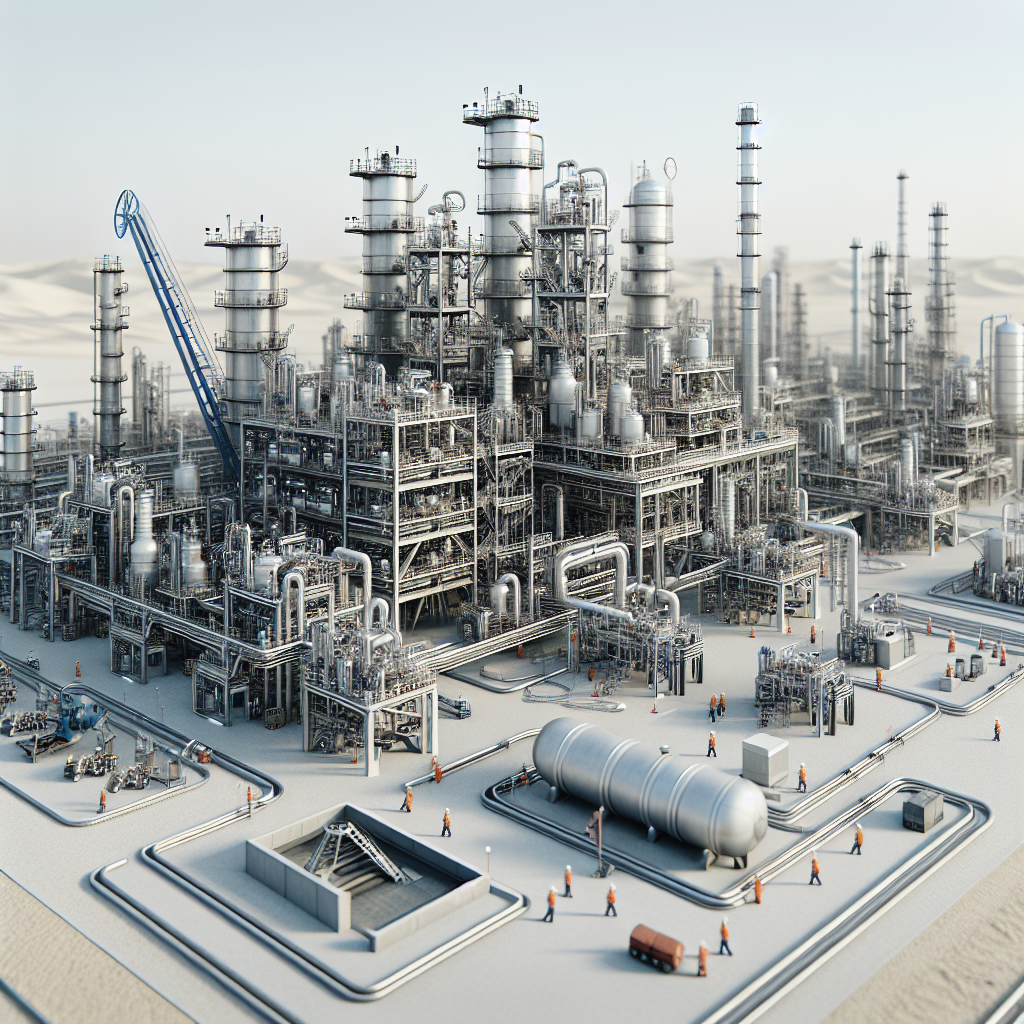
The conflict between the U.S., Israel, and Iran is causing widespread disruptions in the Middle East's oil and natural gas exports. This tense geopolitical situation is compelling nations like Kuwait and Qatar to reduce production, while others like the UAE and Iraq are foreseeing further cuts due to storage issues.
Oil giants Kuwait Petroleum and Abu Dhabi National Oil Company are grappling with production challenges. Qatar's LNG plants have also been stalled, affecting 20% of the global supply. Iran's operations in the Strait of Hormuz have nearly halted maritime traffic, a route responsible for a significant portion of global oil flow.
The impact is resonating worldwide, with China, India, and Indonesia seeking alternative crude sources. The global market is facing rising prices and instability, pushing countries towards more expensive and distant options, such as imports from the U.S. and Africa.


 Google News