

European Markets Jitter Amid U.S.-Iran Ceasefire Concerns
European shares retreated after a significant rally, driven by uncertainty over the U.S.-Iran ceasefire's impact on oil prices and global inflation. Despite hopes regarding the Strait of Hormuz, ongoing tensions in the Middle East and economic data continue to stir market apprehensions and influence investor behavior.
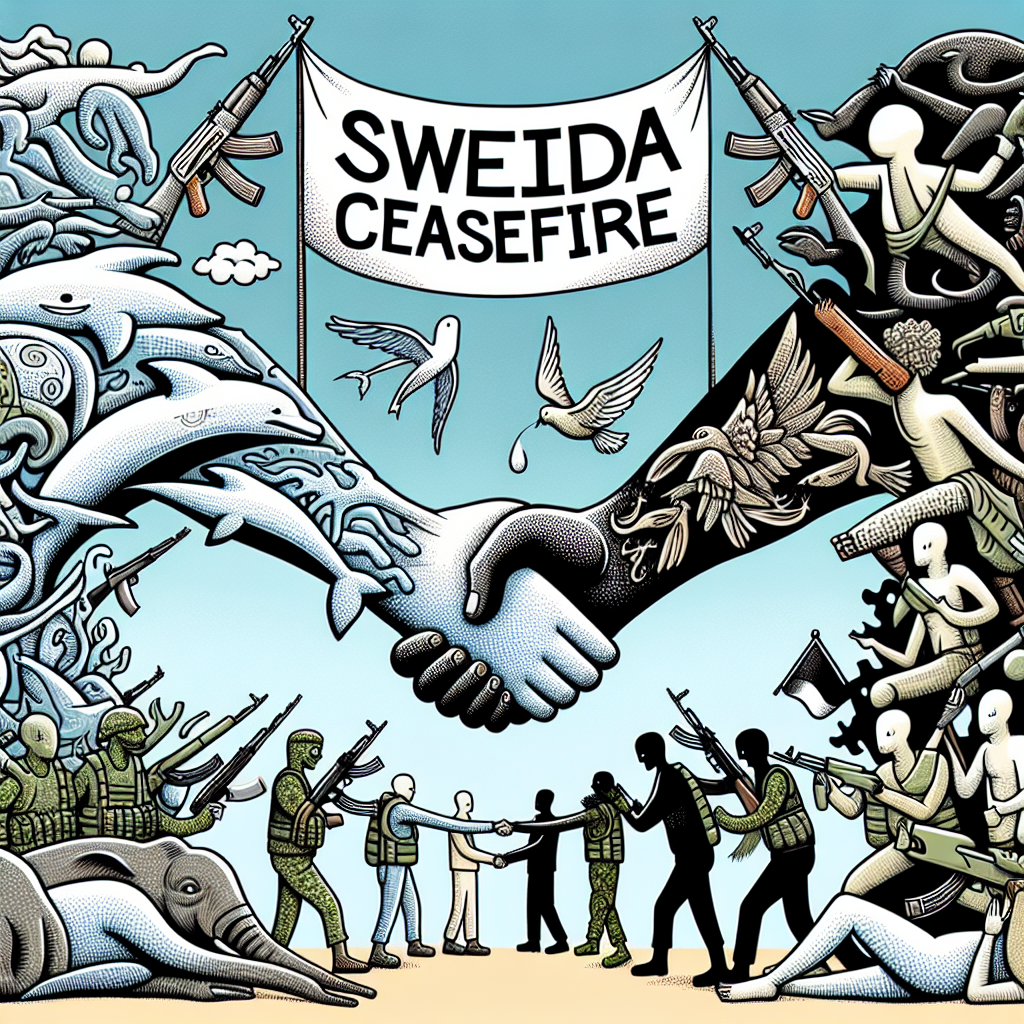
European shares experienced a pullback on Thursday following their most substantial rally in over four years. The retreat stems from investor caution over the tenuous U.S.-Iran ceasefire and its implications for oil prices and global economic stability. The pan-European STOXX 600 index fell by 0.6% to 609.59 points by 0838 GMT.
Despite initial optimism on Wednesday fueled by a ceasefire agreement in the Middle East, concerns arose as Israel's military actions in Lebanon persisted. Iran issued a warning, deeming permanent peace negotiations unlikely under such tensions, while U.S. President Trump cautioned about a potential escalation if compliance faltered.
Market volatility remains, with notable declines in the industrial, travel, and technology sectors, as uncertainty looms over the Strait of Hormuz passage. The energy sector, however, garnered gains amidst rising oil prices. Eurozone government bond yields ticked upwards as traders reevaluate the ceasefire's sustainability, reflecting cautious ECB hike expectations.


 Google News