

China's Export Engine Sputters Amidst Middle East Conflict
China's export growth slowed significantly in March due to shocks from Middle East conflicts affecting energy and transportation costs. This has exposed the vulnerability of China's manufacturing-reliant economy. Despite gains in AI-driven electronics demand, the conflict threatens China's trade surplus, with imports surging and exports faltering.
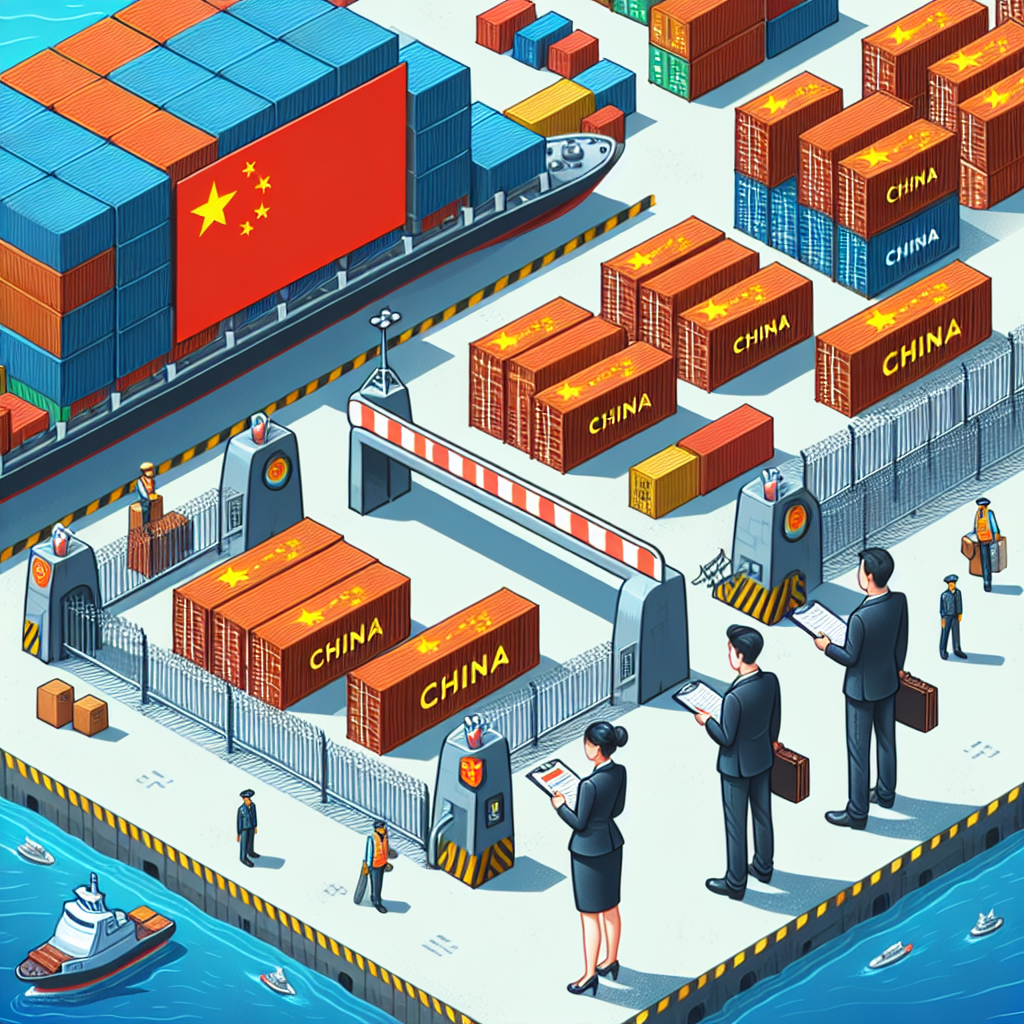
China's once-thriving export engine has hit a notable slowdown, as recent Middle East conflicts led to disruptions in energy and transportation, influencing global demand and exposing vulnerabilities in Beijing's manufacturing dependence.
Customs data reveals a mere 2.5% growth in March outbound shipments, a stark contrast to January-February's 21.8% surge. The figures underscore a challenging landscape exacerbated by mounting energy prices that China struggles to pass onto foreign consumers.
The recent Middle East conflict threatens China's trade surplus, with March imports skyrocketed by 27.8%, highlighting economic stress from energy volatility and a high base effect from last year's shipments. Strategic stockpiles may mitigate some pressures, yet continued tensions cast a shadow over the nation's growth prospects.
ALSO READ
-
AI Boom Lifts Global Goods Trade as Middle East Conflict Hits Travel and Services
-
Tanzania’s Economy Gains Momentum, but Better Jobs Hold the Key to Broader National Prosperity
-
Seychelles Growth Set to Slow to 1% as Tourism Feels the Middle East Conflict’s Impact
-
ADB Approves $1.5 Billion to Protect Philippines From Conflict-Driven Price Hikes


 Google News