

Full-scale shift toward 'electrostate' needed, says Sterlite Electric MD PratikAgarwal
Indias energy transition must move beyond incremental decarbonisation to a full-scale shift toward what industry leaders are calling an electrostate, said Pratik Agarwal, Managing Director of Sterlite Electric, on Wednesday. While India has made significant progress in renewable generation and transmission, Agarwal identified distribution as the single biggest bottleneck.
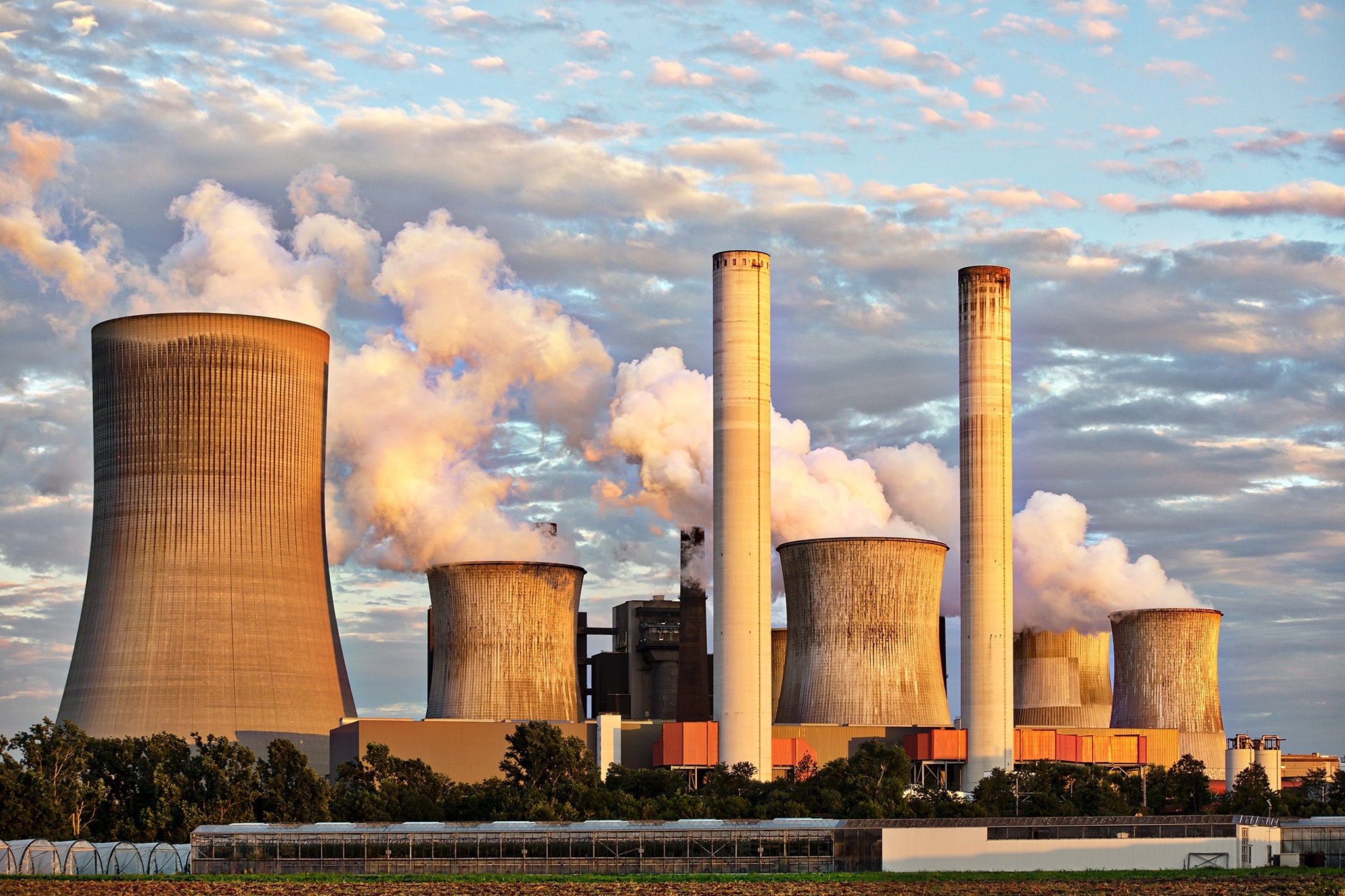
India's energy transition must move beyond incremental decarbonisation to a full-scale shift toward what industry leaders are calling an ''electrostate,'' said Pratik Agarwal, Managing Director of Sterlite Electric, on Wednesday. Agarwal said an electrostate is one in which the majority of a nation's energy demand is met by electricity rather than fossil fuels. He made the remarks at a session at the Resilient Futures Summit organised by Economist Enterprise in the national capital. ''If a nation's energy comes largely from electricity, we would call it an electrostate,'' he said, adding that the model enables self-sufficiency and resilience by leveraging domestic resources such as solar, wind, and storage. While India has made significant progress in renewable generation and transmission, Agarwal identified distribution as the single biggest bottleneck. ''Generation is good, transmission is good, but distribution is still broken,'' he said, noting that one in six units of power in India is not billed due to systemic inefficiencies. He emphasized the need for ''massive political will'' and aggressive privatization to address these losses. On the demand side, Agarwal outlined three priority sectors for electrification: transport, industry, and cooking. He stressed that achieving India's 2047 ambitions would require adding nearly 1,800 GW of base load capacity, about seven times current levels,and significantly accelerating renewable deployment. Despite progress, he cautioned that the scale of ambition must increase. ''Electrostate is going to require a much higher level of renewable energy,'' he said, pointing to the need for larger investments in grid infrastructure and faster construction timelines through automation.
ALSO READ
-
Cleaner Kitchens, Polluted Skies: Hidden Health Cost of India’s Electricity Boom
-
Japan-Backed ILO Projects Help 23,000 Workers Gain Rights and Fight Child Labour
-
India's Delicate Balancing Act: Navigating Energy Security Amid Middle Eastern Tensions
-
India Gears Up for Glory: Asian Games 2026 Preview
-
India Defends Energy Policy Amidst Rising Tariff Threats from U.S.


 Google News