

More than 1 million in Lebanon expected to face acute food insecurity, hunger monitor says
More than 2,500 people have been killed in Israeli strikes since, and Israel still occupies large swathes of the south as part of a self-declared buffer zone. The IPC said Lebanon's agricultural sector, once a critical source of food and income, has suffered from damage to farmland, displacement of farmers and rising input costs.
More than 1 million people in Lebanon are expected to face a food insecurity crisis in the months ahead as a result of renewed conflict and mass displacement, a global hunger monitor said on Wednesday.
A new analysis by the Integrated Food Security Phase Classification (IPC) has found that 1.24 million will be unable to consistently meet basic food needs and will be forced to reduce the quality and quantity of foods consumed, or resort to harmful coping strategies to survive. "These results underscore the severity of the current situation in Lebanon, where conflict intersects with economic pressures putting national food security under critical risk and juncture," said Nora Ourabah Haddad, the Food and Agriculture Organization of the United Nations' representative in Lebanon.
The nearly two-month war between Israel and Lebanese armed group Hezbollah has displaced more than 1.2 million people in Lebanon, with many heads of households out of work and relying on donations to survive as the regional conflict drives up food prices. RISING FUEL PRICES HIT SECTOR HARD
The latest conflict erupted on March 2, when Hezbollah launched rockets at Israel in support of its backer Iran. Israel has responded with heavy airstrikes and a ground invasion. More than 2,500 people have been killed in Israeli strikes since, and Israel still occupies large swathes of the south as part of a self-declared buffer zone.
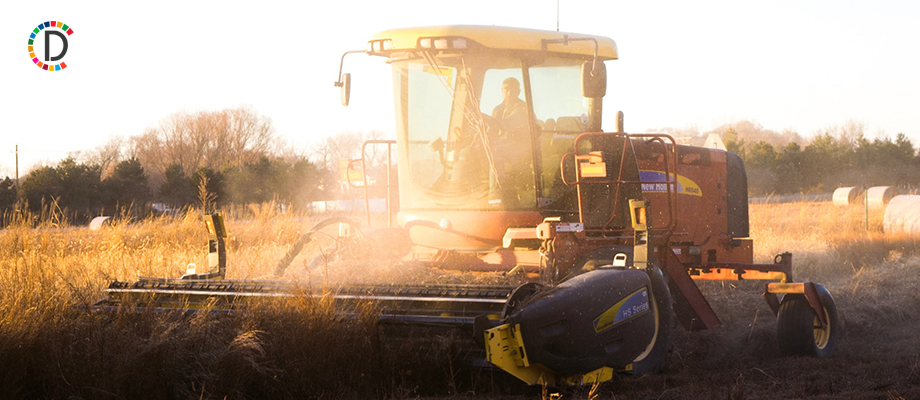
The IPC said Lebanon's agricultural sector, once a critical source of food and income, has suffered from damage to farmland, displacement of farmers and rising input costs. More than 76% of south Lebanon's farmers have been displaced and 22% of all agricultural land damaged in the latest bout of fighting, according to Lebanon's agriculture ministry.
It remains unclear how many will be able to return after a shaky ceasefire took hold earlier this month, reducing but not entirely halting hostilities. " a war like this war, the agriculture sector would need years and years of rehabilitation,” Lebanese Agriculture Minister Nizar Hani told Reuters.
He said the sector had not yet fully recovered from a 2024 war between Hezbollah and Israel when the regional conflict began, hiking costs of diesel on which most farmers rely for their equipment. The previous war cost the agricultural sector $586 million in losses and destroyed nearly 5,000 hectares of forest cover, according to Lebanon's National Council for Scientific Research.
FARMERS LAMENT LOSSES OF BACK-TO-BACK WARS In southern Lebanon, Hamza Issa looked at the overripe and underwatered zucchinis in his field, which he has returned to since the April 16 ceasefire.
"With people being displaced, the sapling was ruined. No one could plant anything because of the Israeli bombing and this war," said Issa. The war hit Lebanon at a time when its economy was already in crisis, battered by a 2019 economic collapse, the 2020 Beirut port explosion and the 2024 war.
Farmer Ahmad Diab had poured $20,000 into his southern Lebanese farm to repair the damage from the last war, only to find himself displaced again now. "We did not get over the catastrophes of last year before drowning in the catastrophes of this year," said Diab, whose hometown of Khiyam falls within the zone Israeli troops are occupying and is inaccessible.
Unlike most beekeepers, Marwan Rizk, 50, remained on his farm in Qlayaa. But bombings and clashes still kept him from his fields. When he finally checked on his beehives after the ceasefire was announced, an Israeli strike hit his car, parked nearby.
"It is total destruction," he said. "You work and you work and you work and it's all for nothing, 50 years of work and it's all for nothing." (Editing by Maya Gebeily and Alex Richardson)


 Google News