

Japan contributes US$ 2.5 million to UNICEF Ethiopia to meet WASH needs of IDPs
UNICEF will use the funds over 12 months to provide lifesaving WASH services to internally displaced populations (IDPs) and host communities in all regions of Ethiopia, with priority given to SNNP, Oromia, and Somali regions.
- Country:
- Ethiopia
- Japan
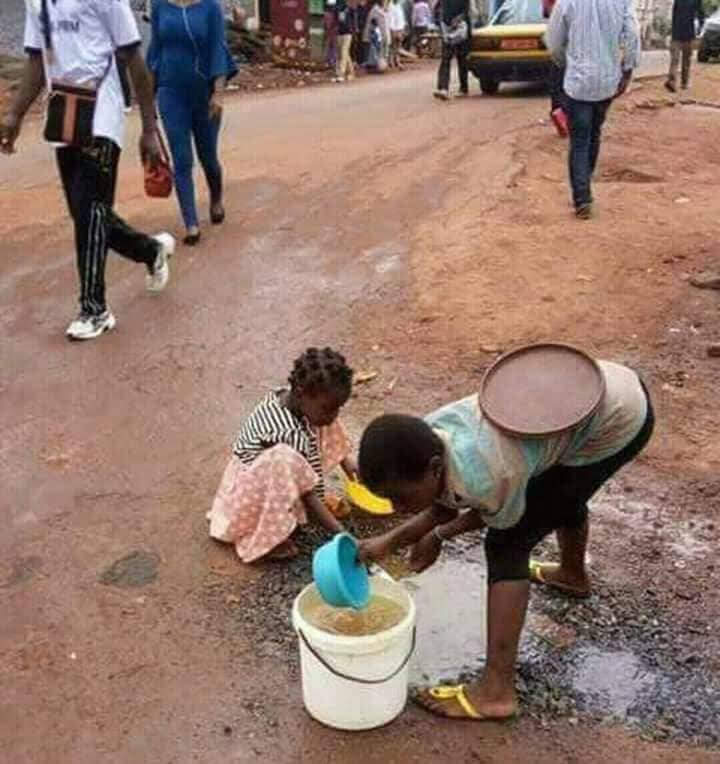
The Embassy of Japan in Ethiopia has contributed US$ 2.5 million to UNICEF Ethiopia to help alleviate the water, sanitation, and hygiene (WASH) needs of some 400,000-people displaced by droughts and ethnic conflicts.
UNICEF will use the funds over 12 months to provide lifesaving WASH services to internally displaced populations (IDPs) and host communities in all regions of Ethiopia, with priority given to SNNP, Oromia, and Somali regions.
UNICEF will use the grant to procure emergency supplies such as jerry cans, soap, SaTo toilet pans and life-saving activities such water trucking and construction of sanitation facilities and sustainable water infrastructure to reduce dependency on water trucking.
"This contribution from Japan could not have come at a better time when we are seeking resources to support the large number of IDPs," said UNICEF Representative in Ethiopia Gillian Mellsop. "Conditions in the IDP sites remain dire, with the brunt of suffering borne by children and women. We are grateful for this contribution, which will enable us to reach nearly half a million people. The needs, however, remain large while the funding, regrettably, is limited."
As of October 2018, 2.9 million people, including 1.5 million children, had been displaced in Ethiopia.
Japan's financial contribution will enable UNICEF to:
supply safe water to 332,800 IDPs and 83,200 members of host communities. Some 220,000 children are set to benefit and
provide sanitation and hygiene services to 172,800 IDPs and 43,200 members of the host communities. This intervention will benefit 114,000 children.
UNICEF Ethiopia's total humanitarian appeal for children for 2019 is pegged at US$ 124.1 million and aims to reach 3.7 million people, including two million children.
(With Inputs from APO)
ALSO READ
-
Lebanon’s Children Cannot Lose More of Their Childhood, UNICEF Chief Urges Action
-
Sudan Shelter Drone Strike Reportedly Kills a Boy and Injures 12 Children
-
Syria’s Returning Children Need Schools, Care and Safe Water to Rebuild Lives
-
Lebanon’s Children Face Hunger, Lost Schooling and Work as Families Reach the Brink
-
UNICEF Praises Jordan’s Progress for Children as Funding Cuts Threaten Vital Services


 Google News