

What you need to know about the coronavirus right now
Australia is trying to contain a third wave of infections that has hit its two largest cities, Sydney and Melbourne, and its capital Canberra, forcing more than half the country's 25 million people into strict stay-at-home restrictions. New South Wales Premier Gladys Berejiklian said the government's modelling showed daily cases in Sydney's worst-affected suburbs are expected to rise to as high as 2,000 until the middle of this month.
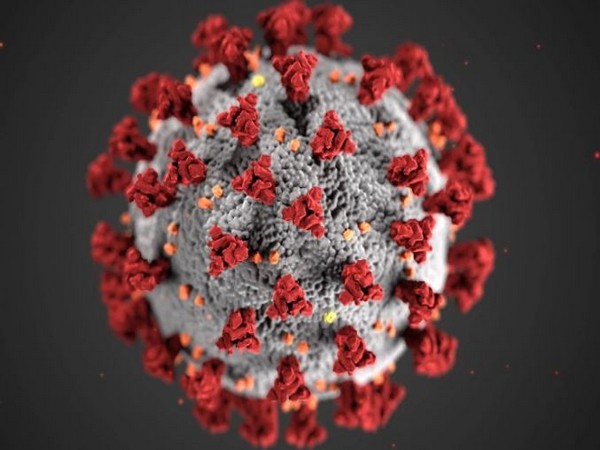
Here are what you need to know about the coronavirus right now: Sydney cases are seen rising to 2,000 a day
Sydney, the epicenter of Australia's biggest coronavirus outbreak, is expected to see daily infections peak next week, authorities said on Monday, as they look to speed up immunizations before easing lockdown rules. Australia is trying to contain the third wave of infections that has hit its two largest cities, Sydney and Melbourne, and its capital Canberra, forcing more than half the country's 25 million people into strict stay-at-home restrictions.
New South Wales Premier Gladys Berejiklian said the government's modeling showed daily cases in Sydney's worst-affected suburbs are expected to rise to as high as 2,000 until the middle of this month. New Zealand lifts virus curbs
New Zealand Prime Minister Jacinda Ardern on Monday said nationwide curbs would be lifted, the bar in the biggest city of Auckland, as the country gets on top of an outbreak of the Delta variant. New Zealand had been largely virus-free, excluding a small cluster of cases in February, until an infected traveler from Australia seeded an outbreak that prompted Ardern to impose the national lockdown last week.
Ardern, who said restrictions would be eased outside of Auckland from Wednesday, is continuing to pursue an elimination strategy for the disease. Vietnam's capital ramps up testing
Vietnam's capital on Monday extended restrictions for a further two weeks, as authorities launched a plan to test up to 1.5 million people for the novel coronavirus in higher-risk areas of the capital to contain a rise in infections. The Southeast Asian country dealt successfully with the virus for much of the pandemic, but the Delta variant has proved more challenging in recent months.
Hanoi, which has ordered people to stay at home and has halted all non-essential activities since July, has now divided the city into "red", "orange" and "green" zones based on infection risk. The Philippines plans new lockdown strategy
The Philippines will relax some restrictions in the Manila region from Wednesday and also intends to outline plans to shift to smaller, localized lockdowns to support the economy. The moves come despite the Southeast Asian country reporting record infection numbers as it battles the Delta variant.
The government believes localized restrictions would be more effective in controlling outbreaks without constraining mobility and business activity too much, Presidential Spokesperson Harry Roque told a briefing. Sinovac booster reverses drop in antibody activities against Delta
A booster dose of Sinovac Biotech's vaccine reversed a decline in antibody activities against the Delta variant, a study showed, easing some concerns about its longer-term immune response to the strain. The study comes amid concerns about the Chinese vaccine's efficacy against the more infectious Delta variant.
Several countries which have relied heavily on the Sinovac vaccine have begun giving booster shots developed by Western manufacturers to people fully vaccinated with the Chinese shot.


 Google News