

How Can We Hit The WHO's Target To Halve Road Accident Fatalities By 2030?

The World Health Organization recently revealed an ambitious target to halve the number of road accident fatalities and injuries by 2030. In June 2022, the WHO announced a new global goal to reduce injuries and deaths on the road within the next eight years. Setting targets can be beneficial for prompting action and reducing risks, but how do we go about hitting this milestone?
The current situation
According to WHO figures released in 2022, around 1.3 million people die in road accidents every year. Car crashes are the leading cause of death among young people aged between 5 and 29 years old. The majority of people killed in accidents are classed as vulnerable road users, which include cyclists, pedestrians, and motorcyclists.
Drivers in middle and low-income countries own less than two-thirds of the world's vehicles, but these nations account for 93% of global fatalities. The average cost of crashes is 3% of GDP.
Up to 50 million people are injured on the roads each year. Injuries range from minor breaks and strains to life-threatening spinal and head injuries, traumatic brain injuries, and injuries that result in disabilities.
Statistics indicate that males are more likely to be involved in road accidents than women. Over 70% of fatal crashes involve young men.
What causes road accidents?
The vast majority of road accidents are caused by driver error. Over 90% of crashes could be avoided. The most common causes include:
Speeding
Driving too fast increases the risk of accidents and severe injuries. The higher the speed, the higher the risk of death and life-changing injuries. Speed restrictions are in place to reduce risks and encourage drivers to stick to a speed that is suitable for the stretch of road. Driving too fast compromises the ability to maintain control of the vehicle if there is a hazard, which increases the risk of accidents. It's particularly important to monitor your speed if conditions are unpredictable, the roads are wet or visibility is poor.
Speeding is not just dangerous, it's also illegal. If you drive too fast, and you injure another road user, you could face legal charges and the other party has the right to seek advice from a car accident lawyer. You could be banned from driving and given a criminal record if a judge rules that you were negligent. Always stick to the speed limit, give other vehicles time and space and drive to the conditions. If it's icy or foggy, or the roads are busy, slow down.
Distracted driving
In the US, more than 3,000 people died in crashes caused by distracted driving in 2019. Distracted driving covers anything that causes you to lose focus. It includes taking your eyes off the road, your hands off the steering wheel, or your mind off the task. Examples include texting or checking emails while you're driving, turning around to talk to passengers in the back, or changing the radio. If you're not 100% focused on the road, the risk of accidents increases.
The main reason that distracted driving is so dangerous is the unpredictability of the roads. Hazards can appear in a millisecond and the landscape can change in an instant. If you're not looking at the road, or your hands are not in a position to steer out of trouble, you might not have time to react. A child could appear from behind a parked car, or the vehicle in front may slam on the brakes. You have to be ready to respond and make split-second decisions at all times.
Drink and drugs
Drinking alcohol and taking drugs increases the risk of fatal accidents. Even a small quantity of alcohol can impair your reactions and impact your ability to make sound judgments. You might take risks that you would never even think about if you were sober, and you might not be able to react fast enough even if you feel fine. It's dangerous to drink or take drugs and drive, and it's also illegal.
If you fancy having a drink, make plans to get home in advance. Designate a driver, book a taxi or use public transport. Don't take risks.
Tiredness
A third of Americans don't get enough sleep and over 60% of British people experience disrupted sleep. Tiredness impacts mental and physical health and it puts road users at risk. If you are tired, your reaction times will be slower, you might not be alert to hazards and you could even fall asleep at the wheel. If you're exhausted, delay your journey, use public transport or pull over in a safe place and take a break if you're already on the road. Drinking caffeinated drinks and getting fresh air can also help.
What can be done to hit the 2030 target?
There are several measures that could help to reduce accident risks and improve outcomes. The first part of the problem is the prevalence of driver errors. More than 90% of crashes are caused by negligent or careless driving. Improving driver education should be a priority in every country. Lessons and tests should ensure that learner drivers have the required skills to drive safely without the supervision of an instructor. It's beneficial to review tests and assessments regularly. Encouraging young drivers to gain experience is also helpful.
Implementing rules and regulations is another way to make the roads safer. Some countries have stricter measures and guidelines than others. Using traffic controls, innovative technology, and hazard reduction measures could also help to lower crash numbers in areas where accidents are most common.
Reducing the risk of fatalities by improving access to emergency, life-saving treatment is the final step. In high-income countries, crash survival rates are significantly higher than in low-income nations. This is often due to the speed and availability of emergency services. Tending to victims within seconds or minutes rather than hours can make the difference between life and death.
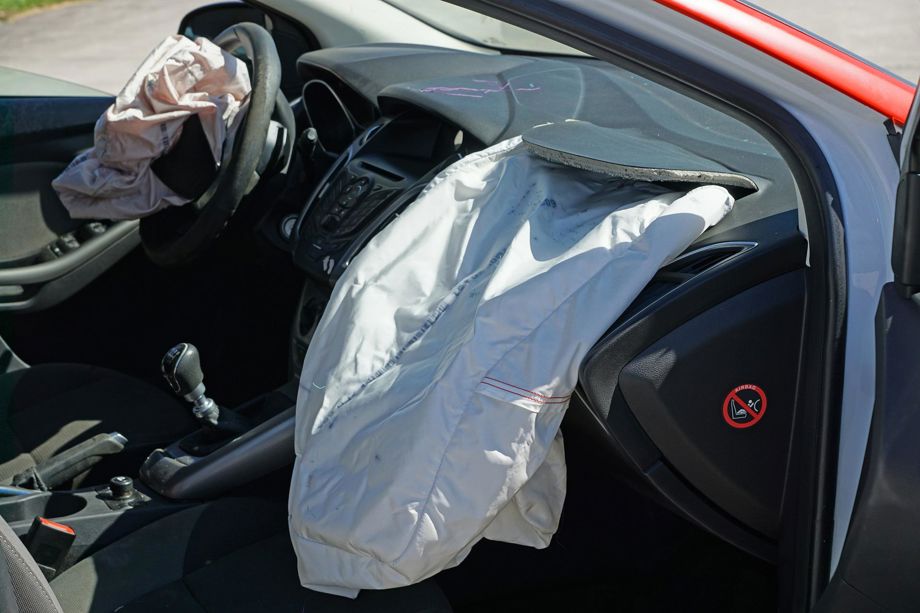
Image Credit: Pixabay
Car accidents cause more than 1 million deaths every year. The World Health Organization has outlined plans to reduce the number of fatalities by 2030. This is an ambitious goal but it could be achieved if countries come together to implement stricter rules and regulations, enhance drive education and improve road safety and emergency response times.
(Devdiscourse's journalists were not involved in the production of this article. The facts and opinions appearing in the article do not reflect the views of Devdiscourse and Devdiscourse does not claim any responsibility for the same.)


 Google News