

Kenya’s Health PS Mary Muthoni Highlights Bold Reforms for Stronger Public Health
The PS emphasized that for such ambitious reforms to be sustainable, investment in the health workforce is critical.
- Country:
- Kenya
In a comprehensive and engaging interview on Inooro FM's popular KEERA Show, the Principal Secretary for Public Health and Professional Standards, Mary Muthoni, provided an in-depth update on the government's far-reaching efforts to strengthen Kenya's healthcare system. Her address outlined transformative policies, strategic reforms, and innovations aimed at achieving a robust and equitable healthcare system for all Kenyans.
At the forefront of her message was the implementation of the Social Health Authority (SHA), a new framework designed to ensure that every Kenyan can access quality health services without facing financial hardship. The SHA initiative is a cornerstone of the government's broader Universal Health Coverage (UHC) agenda. It replaces the traditional model of health insurance with a more inclusive and comprehensive social health scheme, ensuring that marginalized populations, including those in informal sectors, are not left behind.
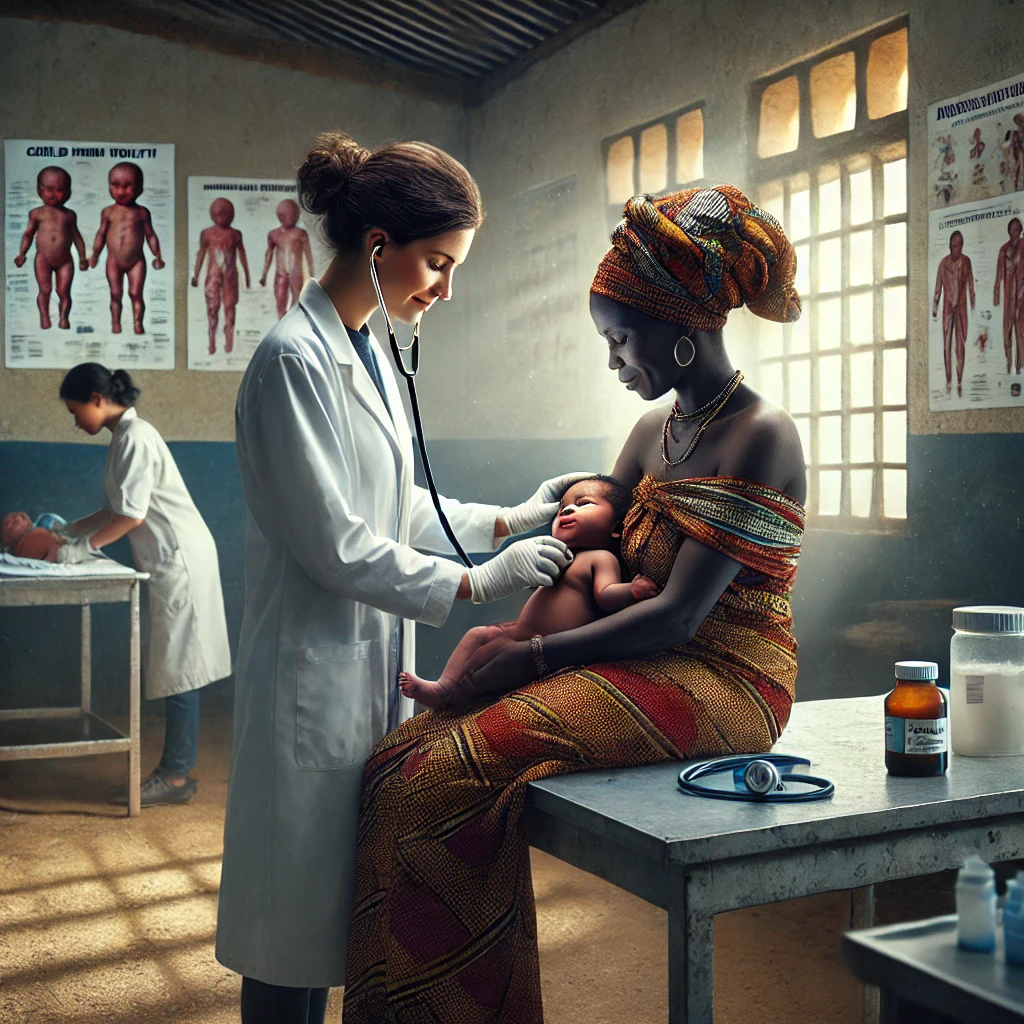
The PS emphasized that for such ambitious reforms to be sustainable, investment in the health workforce is critical. She noted that the government is actively recruiting, training, and deploying healthcare workers to underserved regions. "Our focus is not only on numbers but also on capacity building, skills development, and professional standards," she said, stressing the importance of a motivated and well-equipped workforce to improve service delivery.
In addition, PS Muthoni shone a spotlight on the integration of technology in healthcare delivery. She described how digital health platforms such as telemedicine, mobile health (mHealth) applications, and e-health records are being rolled out to bridge the gap between urban and rural areas. These tools are enhancing access to specialist care, particularly in remote areas, and reducing the burden on overstretched health facilities. The government is also working to ensure data security and interoperability of digital systems to improve efficiency and coordination within the healthcare sector.
A particularly significant part of the discussion was on mental health, an area that has historically received limited attention. PS Muthoni called for a cultural shift in how mental health is perceived and addressed. She outlined several initiatives, including community outreach programs, increased mental health funding, training of mental health professionals, and development of policies that promote mental well-being. "Mental health is health," she stated emphatically, adding that stigma reduction and early intervention are key to tackling the growing mental health crisis.
In light of global and regional health threats, Muthoni also addressed emergency preparedness and resilience. She pointed to the lessons learned from the COVID-19 pandemic and reiterated the government's commitment to building resilient health systems capable of responding swiftly to outbreaks and disasters. This includes strengthening surveillance systems, stockpiling essential medical supplies, and enhancing the capacity of emergency response teams.
Throughout the interview, the Principal Secretary repeatedly highlighted the importance of community engagement and public awareness. She emphasized that lasting change can only be achieved through the active participation of citizens. Health reforms must be people-centered, she said, meaning they must resonate with the real needs of communities. She encouraged Kenyans to participate in public health dialogues, embrace preventive healthcare practices, and hold systems accountable.
Closing her remarks, PS Mary Muthoni reaffirmed the government's unwavering commitment to delivering accessible, high-quality, and affordable healthcare to all Kenyans. She called for continued collaboration among stakeholders—health professionals, communities, development partners, and the private sector—to ensure that the dream of universal healthcare becomes a reality.
"Healthcare is not a privilege. It is a right. We are committed to ensuring that no Kenyan is left behind," she concluded.
Her detailed insights provide hope and a clear roadmap for a healthier Kenya, driven by innovation, inclusion, and integrity.


 Google News