

Rethinking the Role of Exercise in Osteoarthritis Management
A recent review questions the traditional advice recommending exercise for osteoarthritis, highlighting limitations in past studies. Despite these, exercise is still shown to provide slight pain relief and improve overall health. Consistent exercise, tailored to personal preferences, remains beneficial for managing osteoarthritis symptoms effectively.
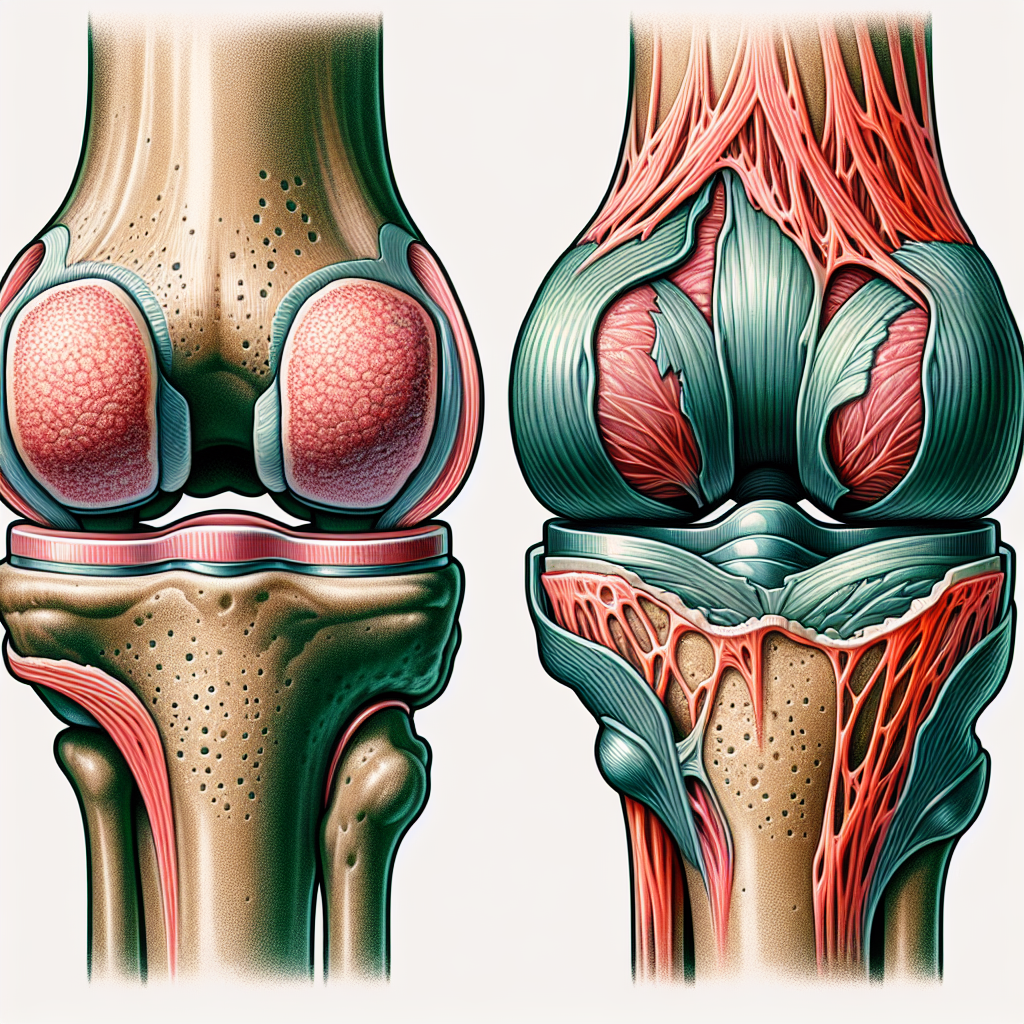
- Country:
- Australia
A recent review has sparked a reevaluation of exercise's role in managing osteoarthritis, a common degenerative joint condition. The review, which included an 'umbrella review' of existing studies, suggests that exercise may not bring as significant benefits as previously assumed. However, experts advise caution before dismissing exercise entirely.
The study examined the effects of exercise on knee, hip, and hand osteoarthritis, comparing it to other treatments like medication and surgery. While exercise resulted in minor pain reduction, it did not significantly improve function compared to alternatives. The findings underscore exercise's role in pain management, comparable to some medications.
Critics of the review point out its limitations, including its generalized approach to different exercise types and study durations. Despite these drawbacks, exercise's potential benefits, including enhanced heart health and mood improvement, remain undeniable. Experts recommend that osteoarthritis patients continue regular exercise, tailored to individual preferences for maximum benefit.


 Google News