

WHO and ILO Launch Framework to Track Social Protection for People Living with TB
National household cost surveys show the scale of the strain: 47% of people treated for TB and their households experience catastrophic costs.
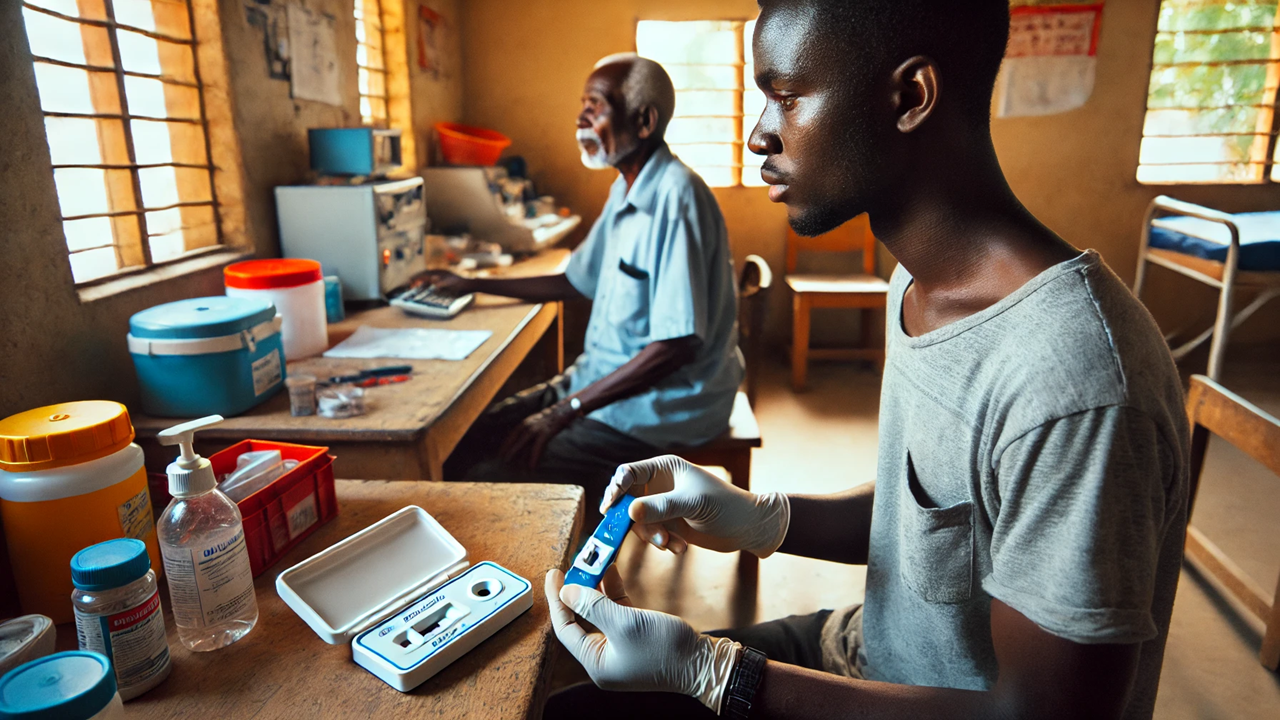
People with tuberculosis (TB) can face costs that reach far beyond medical care: travel and other expenses can make treatment harder to complete, and illness can mean lost income or employment for patients and their families. National household cost surveys show the scale of the strain: 47% of people treated for TB and their households experience catastrophic costs.
A new monitoring and evaluation framework from the World Health Organization (WHO) and the International Labour Organization (ILO) gives countries a way to track whether people with TB are reached by health and social benefits, and where protection falls short. It supports a 2023 United Nations commitment to ensure that everyone with TB has access to a health and social benefits package by 2027. WHO describes the framework as a practical tool for measuring progress toward that commitment.
A phased way to measure coverage
The framework offers a phased approach for countries with different social protection systems, data and monitoring capacity. Countries can start with information they already collect and strengthen their monitoring over time, building better links between TB, health and social protection systems.
It also guides countries in assessing whether benefits reach people in time and provide adequate, comprehensive support. The framework complements the 2024 WHO–ILO Guidance on social protection for people affected by tuberculosis, adding a practical way to monitor progress and find gaps.
Protection needs to reach households
People with TB and their households may need support with both health-related costs and the wider economic impact of illness. Social protection can ease financial hardship and help people access and complete care, with potential benefits for health and social outcomes.
Dr Tereza Kasaeva, Director of WHO's Department for HIV, Tuberculosis, Hepatitis and Sexually Transmitted Infections, said the framework will help countries assess whether people are reached by benefits and whether those benefits are timely, adequate and comprehensive. The findings can help identify gaps and guide action towards the 2027 target.
Shahra Razavi, Director of the ILO's Labour and Social Protection Department, said the framework can help countries build on existing systems and strengthen links with the health sector so people with TB and their families are included in social protection.
Linking health and social protection systems
The framework brings health and social protection perspectives together, supporting collaboration across sectors as countries assess programmes and improve coverage. Its monitoring approach can also contribute to multisectoral accountability through WHO's Multisectoral Accountability Framework to end TB (MAF-TB).
The shared goal is clear: make sure illness does not leave people with TB and their families without the support they need. The new framework gives countries a way to see who is being reached, where support is missing and what needs to change.


 Google News