



Quenching the World's Thirst: Ensuring Accessible Water and Sustainable Sanitation for All
Embark on a journey to understand the global water crisis and the pressing need for accessible water and sustainable sanitation for all. 🌍💧 Join us as we explore challenges like water scarcity, inequalities, and inadequate sanitation infrastructure. Discover how communities are empowered, innovative technologies make waves, and collaborations create lasting impact. Let's quench the world's thirst and pave the way to a healthier, more equitable future.
 Devdiscourse News Desk
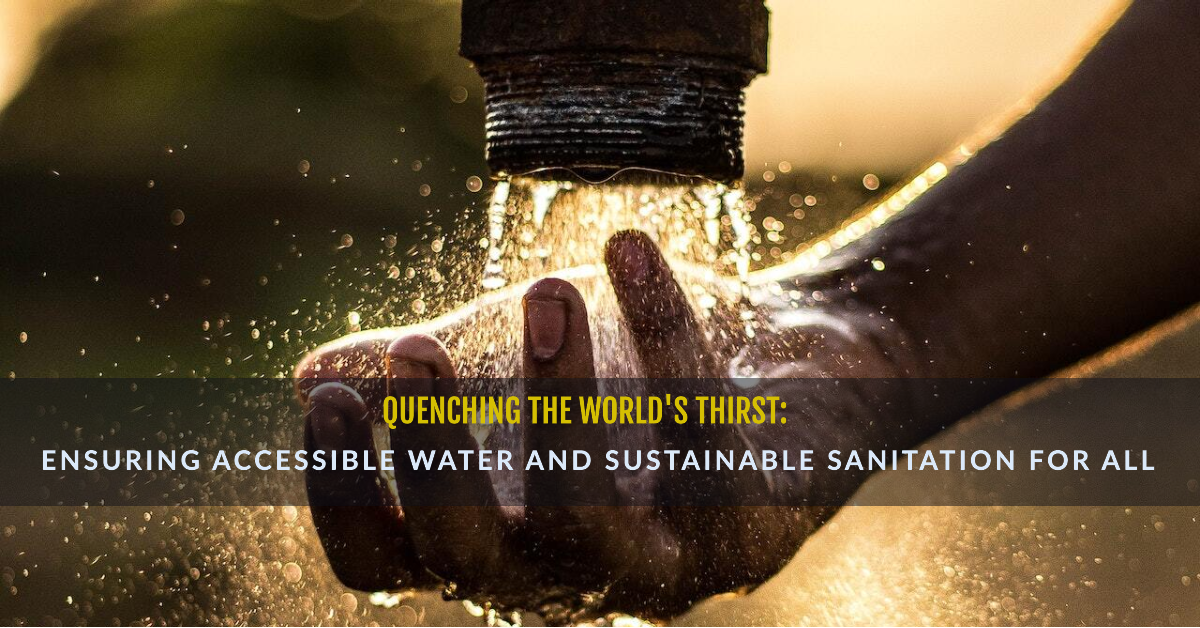
Water, the elixir of life, is a fundamental right that should be accessible to every individual on our planet. Yet, the stark reality is that millions still struggle to quench their thirst and fulfill their basic sanitation needs. In this blog, we delve into the critical importance of ensuring universal access to clean water and sustainable sanitation facilities, exploring the challenges we face and the promising solutions that are lighting the path towards a healthier and more equitable world.
The Global Thirst
Picture a world where turning on the tap is a luxury. For too many people, this is their everyday reality. The global water crisis is a silent emergency, affecting not only personal well-being but also entire communities and economies. Lack of access to clean water leads to a cycle of illness, missed opportunities, and perpetuates the cycle of poverty.
Sustainable Sanitation
While clean water is undeniably crucial, the significance of sanitation cannot be overlooked. Proper sanitation facilities are vital to maintaining human dignity, public health, and environmental sustainability. Without access to safe toilets and waste management systems, communities are exposed to disease and environmental degradation.
Challenges on the Journey
-
Water Scarcity: Increasing demands from a growing population and climate change-induced droughts are placing immense pressure on water resources. Ensuring a steady supply of clean water is an ongoing challenge that requires innovative solutions.
-
Inequitable Distribution: Water and sanitation inequalities persist, disproportionately affecting marginalized communities. Bridging this gap requires targeted efforts to ensure equitable access and address social disparities.
-
Sanitation Infrastructure: Building and maintaining sanitation infrastructure in remote and underserved areas is a logistical and financial challenge that demands creative solutions.
Solutions for a Brighter Future
-
Community Empowerment: Engaging local communities in the planning and implementation of water and sanitation projects fosters ownership and sustainability. Education and awareness campaigns play a crucial role in changing hygiene behaviors.
-
Technological Innovations: From water purification methods to off-grid sanitation solutions, technology has the power to revolutionize water and sanitation access. Affordable and user-friendly technologies are making waves in resource-limited settings.
-
Public-Private Partnerships: Collaboration between governments, NGOs, and private sector entities can leverage resources and expertise to accelerate progress. Well-structured partnerships facilitate the development and maintenance of infrastructure.
Conclusion
"Quenching the World's Thirst: Ensuring Accessible Water and Sustainable Sanitation for All" is not merely a slogan; it's a call to action. The journey to universal access is marked by challenges, but the solutions are within our reach. By recognizing the fundamental right to clean water and proper sanitation, prioritizing community involvement, embracing innovation, and fostering collaboration, we can collectively create a world where every person's thirst is quenched, and their dignity and well-being are upheld.


 Google News