

Escalating Tensions: Islamist Influence Rises in Bangladesh Amid Vandalism Outcry
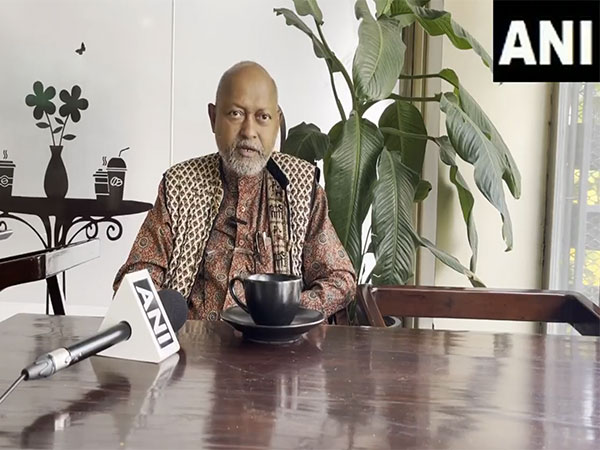
Professor Nazmul Ahsan Kalimullah highlights the increasing freedom of Islamist groups in Bangladesh following Sheikh Hasina's departure. On February 5, protests escalated as Sheikh Mujibur Rahman's residence was vandalized, raising concerns over these groups' growing presence and influence.
- Country:
- Bangladesh
In an unsettling disclosure, Professor Nazmul Ahsan Kalimullah from Dhaka University has acknowledged a significant rise in the activities of Islamist groups in Bangladesh. This development followed the departure of Prime Minister Sheikh Hasina, according to Kalimullah’s interview with ANI. He noted that several banned outfits are more active, holding public events and press conferences with impunity.
Notably, Islamist entities such as the Jamaat-e-Islami and Hefazat-e-Islam have grown stronger, with personalities like the Peer of Charmoni becoming influential figures. Even Hizb ut-Tahrir, despite its outlawed status, is visible through public demonstrations and printed materials, suggesting a de facto freedom contrary to their official ban.
Concerns mounted after a recent incident on February 5, when a mob attacked Sheikh Mujibur Rahman’s former residence, now a museum. Demonstrators waved flags, posted propaganda, and extensively vandalized the property, demanding the Awami League's ban. This followed online provocations linked with Hasina's speech, reflecting a heightened unrest underlined by the active presence of these Islamist groups.


 Google News