

Which countries prefer men over women in royal succession?
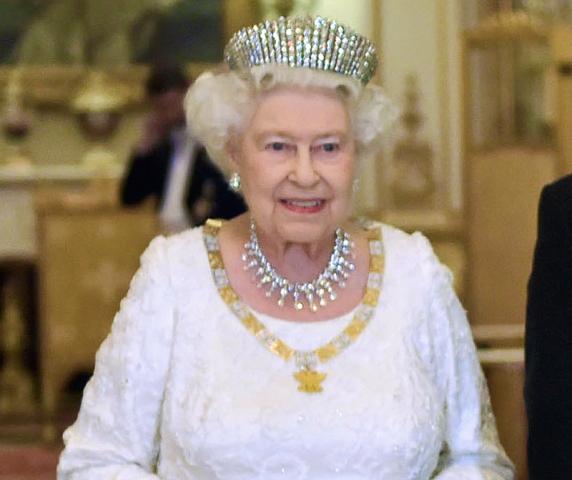
How the succession to the throne is regulated in the world's monarchies? Here's a look at which countries allow their princesses to become queens in their own right and which have kept it a boys' club.
The line of succession to the Japanese throne is based on the Imperial Household Law, according to which, only direct male-line males are allowed to ascend the throne. Prior to the birth of Prince Hisahito in 2006, as Wikipedia says, the government of Japan considered changes to the Imperial Household Law to allow additional potential successors to the throne.
Sweden in 1980 passed a law to allow equal succession, thus allowing the first-born child of the monarch to be the heir to the throne, regardless of gender.
Norway changed its laws in 1990 to allow the throne to pass to the eldest child, regardless of gender. However, it included a transition period where male royals born before 1990 still take precedence over their female relatives.
The Netherlands changed its rules in 1983 to give women an equal right to inherit the throne.
Spain has a system of male preference, that means a woman can inherit the throne but a younger son will take precedence over any elder sisters.
Morocco, Saudi Arabia, Jordan, Oman, Kuwait, Qatar, Bahrain and Cambodia only allow male heirs to inherit the throne.
The line of succession to the throne of Bhutan is based on the constitution. Currently, the line of succession is according to male-preference cognatic primogeniture with males preceding females who are in the same degree of kinship.
The United Kingdom for centuries gave sons preference in inheriting the throne. However, the Succession to the Crown Act (2013) amended the provisions of the Bill of Rights and the Act of Settlement to end the system of male primogeniture. The Act applies to those born after 28 October 2011. The changes came into force in all sixteen Realms in March 2015.


 Google News