

Zimbabwe’s food crisis worsening; families forced to adopt extreme coping mechanisms
- Country:
- Zimbabwe
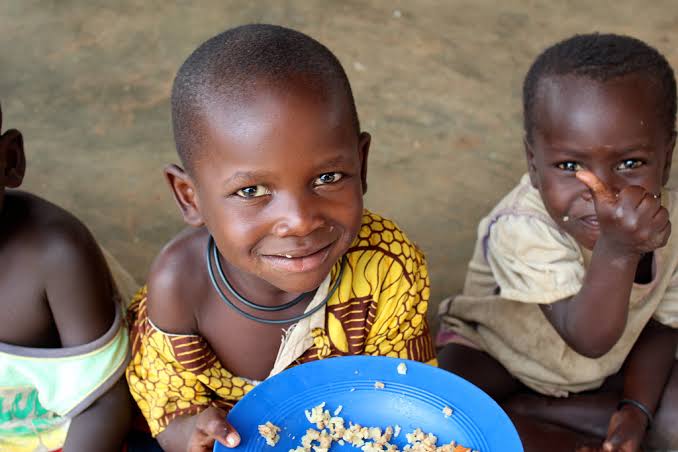
Zimbabwe's food crisis is worsening and families are forced to adopt extreme coping mechanisms to survive. Children often eat only once a day and walk for hours across dry rocky terrain to collect water, according to Save the Children.
Many children are unable to go to school and have to work because their parents can't afford the fees, young girls are often married into wealthier families that can feed them. Other families are reducing their daily meal intake, selling off livestock and other assets, and migrating, often unsafely, to other countries.
The agency says that there are at least 7.7 million people in Zimbabwe's urban and rural areas that are severely food insecure, these include over 3.8 million children who are hungry and require urgent food assistance.
Siwela, 12, lives with her grandparents in southern Zimbabwe, a region prone to droughts and floods, talks about her plight with Save the Children. Her parents are in South Africa looking for work, and her community is currently suffering from a severe drought.
"I feel pain when I think about hunger. What I've seen change due to the drought is the price hikes [of food], there's no rain and the trees have no water…. what I wish for my community is that it rains, there's no hunger and people can farm."
Zimbabwe is facing a complex macroeconomic crisis, the worst since 2008, with the highest inflation rate in the world, according to the IMF. The economic situation has been characterized by cash shortages, unwavering national debt, high unemployment, and persistent increases in the costs of basic goods and services, all factors which are impacting children's lives.
The country's food emergency is also part of a regional climate crisis, with roots in a severe drought that began in 2018. Many rivers, wells, and dams have dried up, and children and their families often have to travel hours each day to collect water. While some parts of the country received erratic and uneven rainfall between November 2019 and January 2020, much of the rain fell on parched land, resulting in flooding and topsoil erosion, further impeding the ability of families to farm. The lean season is due to peak during January to March but is expected to last much longer, as many farmers have lost their crops and will have nothing to harvest come March.
"This is an extremely complex situation evolving in Zimbabwe, where families that had four or five ways of making a living can no longer rely on any of them," William Lynch, Save the Children's Country Director in Zimbabwe. "The preliminary results of our assessments have been grim; we've seen spikes in unattended births and a decline in vaccinations as the health system falters. Poor rains have increased the burden of fetching water for children, forcing them to travel longer distances and exposing them to the risk of violence and abuse. For girls in particular, we're hearing that the situation is leaving them with limited options and is driving them into early marriage."
Urging more action to help Zimbabwe, Lynch said, "Zimbabweans have been pushed to their absolute limits in recent years and now they're on the brink of collapse. International actors—governments, non-government organizations, and donors—must pull together now."


 Google News