

Five Years After Abrogation: Transformative Changes in Jammu and Kashmir
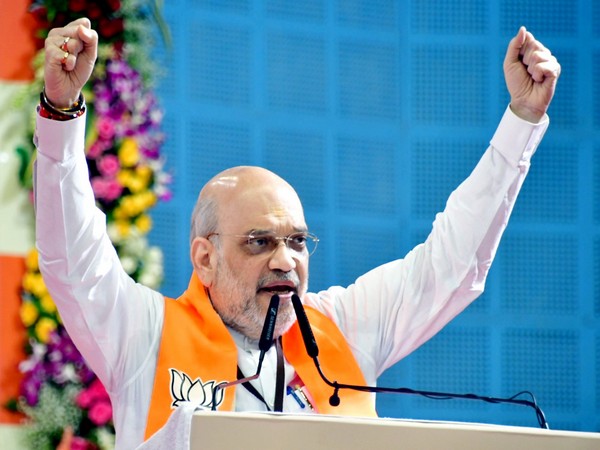
Union Home Minister Amit Shah highlighted the transformative impact of the abrogation of Article 370 on Jammu and Kashmir, emphasizing empowerment of marginalized communities and enhanced grassroots democracy. He credited the region's youth for driving socioeconomic growth, acknowledging PM Narendra Modi's leadership and the government's commitment to the region's development.
- Country:
- India
Union Home Minister Amit Shah has emphasized that the abrogation of Article 370 has ushered in a new era of empowerment for marginalized communities and has strengthened grassroots democracy in Jammu and Kashmir. Shah remarked on the socio-economic growth and cultural revival driven by the region's youth.
On the fifth anniversary of this historic decision, Shah reiterated the success of the Narendra Modi government's efforts in fostering peace and comprehensive development in the region. He also expressed gratitude to Prime Minister Modi for this landmark move.
Article 35A, conceived in 1954 for Jammu and Kashmir, granted special rights through a Presidential order. Its abrogation, along with Article 370 on August 5, 2019, led to the reorganization of the state into the Union Territories of Jammu and Kashmir and Ladakh.


 Google News