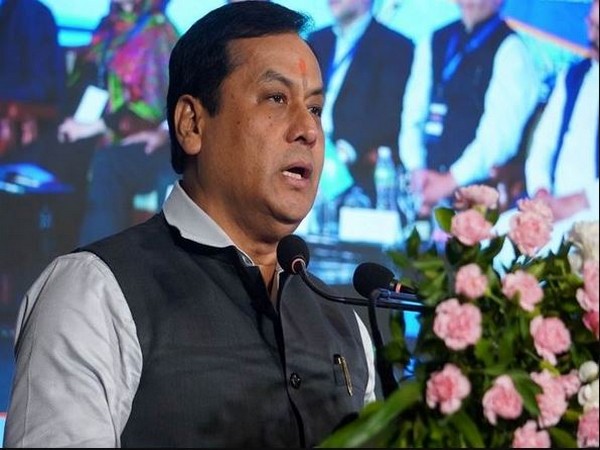
In response to a Rajya Sabha question on August 6, 2024, Union Minister of Ports, Shipping, and Waterways, Shri Sarbananda Sonowal, provided an update on the operation and privatization of ports in India.
India's major ports, including Chennai, Cochin, Deendayal (Kandla), Jawaharlal Nehru (Nhava Sheva), Kolkata, Mormugao, Mumbai, New Mangalore, Paradip, V.O. Chidambaranar (Tuticorin), Visakhapatnam, and Kamarajar Port Limited, remain under government ownership.
The central government retains ownership of land and waterfront at these ports. However, the government allows for private sector involvement through Public-Private Partnerships (PPP). These partnerships are established via concession agreements for specific projects, berths, or terminals. The process involves competitive bidding, and the concessionaire is responsible for paying a revenue share or royalty for the duration of the concession. Upon completion of the concession period, the assets are returned to the port authority. Currently, 89 of the 277 berths at these major ports are operated under the PPP model.
In addition, India has 217 non-major ports managed by State Maritime Boards or State Governments. These ports are distributed across various states: Gujarat (48), Maharashtra (48), Goa (5), Daman and Diu (2), Karnataka (13), Kerala (17), Lakshadweep Islands (10), Tamil Nadu (17), Puducherry (3), Andhra Pradesh (15), Odisha (14), West Bengal (1), and Andaman and Nicobar Islands (24).
Minister Sonowal emphasized that while no major ports have been privatized, private participation is actively encouraged through PPP arrangements for specific port projects. The government maintains ownership and control of major port assets, with 89 berths currently operated under the PPP model. Non-major ports, meanwhile, are governed by State Maritime Boards and State Governments.




 Google News