

Tackling Global Inequality: The Urgent Need for a Fairer Economic Compact
A new report by UNCTAD, "Inequality, Major Trends, Policy Challenges, and the Need for a Global Economic Compact," underscores the growing divide between the wealthy and the poor. The analysis highlights structural economic failures, policy barriers, and the urgent need for a global economic compact to address financial inequities, labor rights, and governance issues. Without decisive action, inequality will continue to threaten global stability and sustainable development.
 CoE-EDP, VisionRI
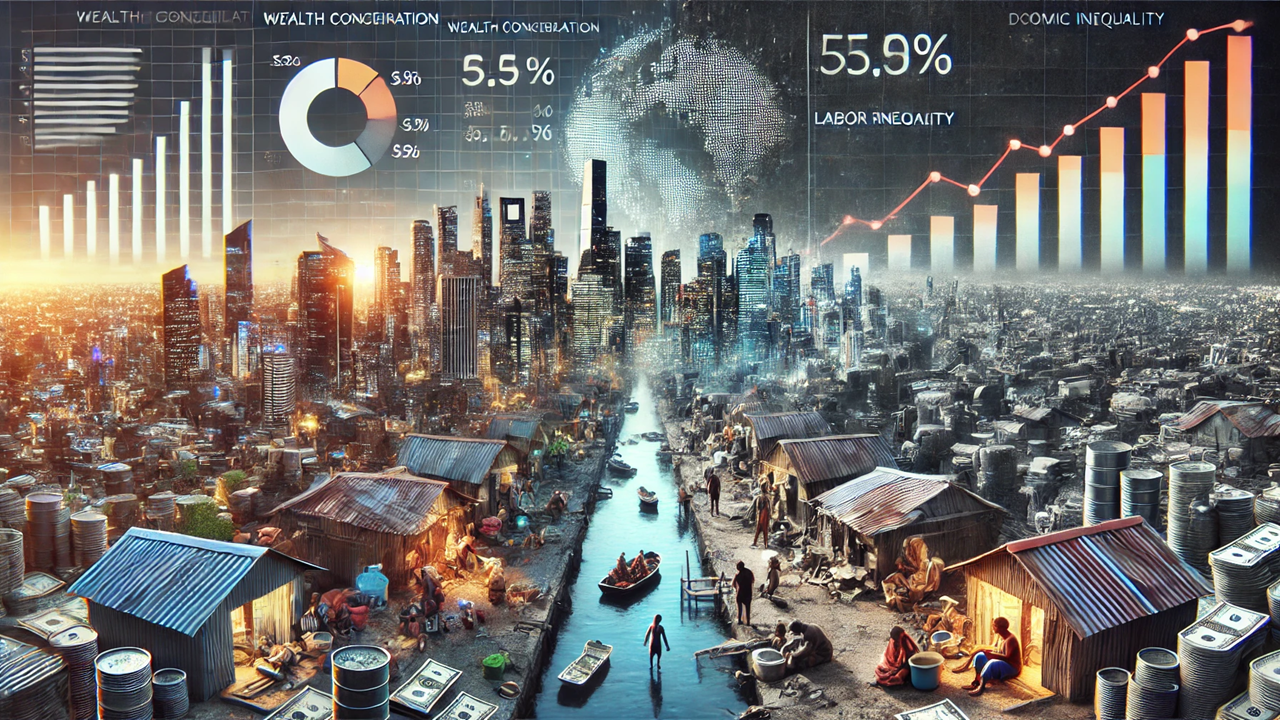
The Rising Tide of Inequality
Economic disparity has surged in recent decades, leaving a growing percentage of the world's population struggling to access basic needs. The disparity is particularly severe in developing nations, where wealth accumulation remains concentrated among elites. Factors such as inadequate social infrastructure, limited access to quality education and healthcare, and wage stagnation have deepened the gap between rich and poor. The COVID-19 pandemic only intensified these issues, disproportionately impacting vulnerable communities and exposing the fragility of existing economic systems.
Structural Challenges and Systemic Failures
The report identifies systemic flaws that perpetuate inequality. Deregulated financial markets, monopolistic corporate practices, and tax avoidance schemes favor wealth concentration. Meanwhile, labor market inequalities persist as wages stagnate and job insecurity rises, particularly for low-skilled workers.
Technological advancements, while driving progress, have also widened skill gaps, leaving many workers unemployed or underpaid. Gender and racial disparities further compound these economic imbalances, limiting social mobility and economic inclusivity.
Policy Failures and Barriers to Equality
Efforts to combat inequality have often fallen short due to ineffective policies and governance issues. Many governments lack the political will to implement progressive taxation and wealth redistribution measures. Instead, corporate profits continue to soar, while public services suffer from chronic underfunding.
Trade policies, once seen as a means of economic growth, have disproportionately benefited multinational corporations and wealthier nations at the expense of developing economies. Corruption and weak governance structures further undermine equitable economic development, making it difficult for marginalized populations to break free from the cycle of poverty.
The Case for a Global Economic Compact
The report calls for a global economic compact—a collective commitment to policies that foster fairer wealth distribution and economic justice. Key recommendations include:
Progressive taxation: Implementing fair tax policies to curb extreme wealth concentration.
Stronger labor rights: Ensuring fair wages, job security, and protection against exploitation.
Investments in education and healthcare: Addressing structural barriers that limit economic mobility.
Regulating financial markets: Introducing safeguards against unchecked corporate profits and tax evasion.
Climate justice policies: Integrating environmental sustainability with economic reforms to protect vulnerable populations.
The Role of Global Institutions
International institutions such as the United Nations, the International Monetary Fund (IMF), and the World Bank have a critical role to play in driving these changes. The report stresses the need for greater representation of developing nations in global economic governance, ensuring that their interests and challenges are addressed.
Trade agreements should prioritize social and economic justice rather than corporate interests, creating a more inclusive and equitable global economy.
A Call to Action
Without decisive reforms, inequality will continue to expand, exacerbating social unrest and economic instability. This report serves as a wake-up call for policymakers, economists, and global leaders to take action. A fairer global economy is not just an ethical imperative—it is a necessity for sustainable development and long-term global stability.
As UNCTAD's "Inequality, Major Trends, Policy Challenges, and the Need for a Global Economic Compact" emphasizes, the time for change is now. A more inclusive and balanced economy is within reach, but it requires bold policy shifts and international cooperation to turn the tide on inequality.
- FIRST PUBLISHED IN:
- Devdiscourse


 Google News