

South Africa's G20 Presidency: Catalyzing Investment in Africa's Energy Sector
South Africa’s leadership of the G20 offers a strategic platform to attract investment and accelerate the development of Africa’s energy sector.
- Country:
- South Africa
In 2025, South Africa will assume the rotating presidency of the G20, positioning itself to advocate for increased investment in Africa's energy sector. As the continent's most industrialized nation and a key energy hub, South Africa has a unique opportunity to leverage its G20 platform to drive global investment, particularly in natural gas projects crucial for Africa's energy security and economic growth.
Promoting Natural Gas Projects for Africa's Energy Security
Africa continues to depend on coal, oil, and natural gas to meet its growing energy demands, with natural gas emerging as a key transitional fuel. Several G20 nations are already investing in major gas projects across the continent. For example:
- The U.S. Export-Import Bank, U.K. Export Finance, China Development Bank, and Japan Bank for International Cooperation have collectively financed TotalEnergies' $20 billion Mozambique LNG project.
- Italy's Eni is developing new LNG facilities in the Republic of Congo.
- bp is expanding operations in Senegal and Mauritania.
- Norway's Equinor is advancing the Tanzania LNG development.
- ExxonMobil is spearheading the Rovuma LNG project in Mozambique.
As G20 president, South Africa can encourage further financial backing from member nations, emphasizing the role of natural gas projects in boosting production, enhancing energy security, and attracting critical investments across the continent.
Advocating for a Balanced Energy Transition
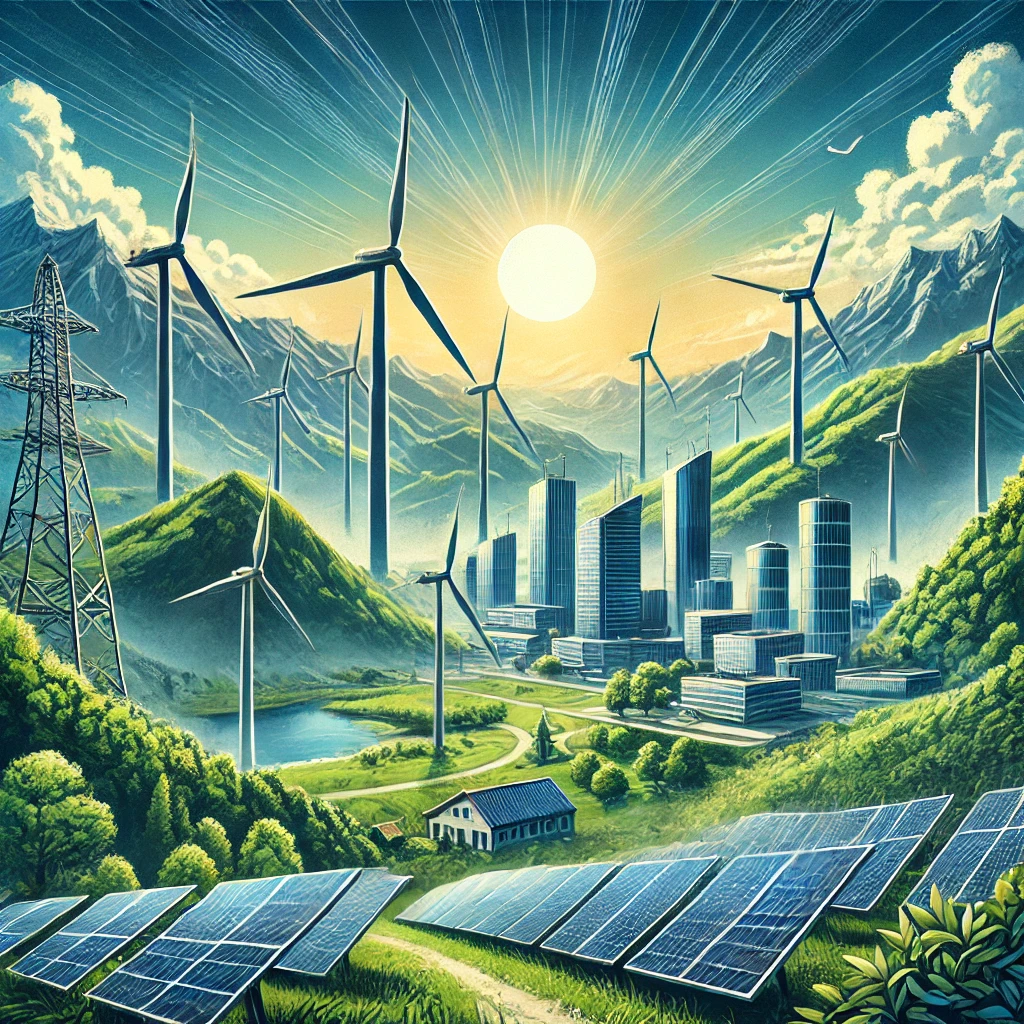
While natural gas is pivotal, South Africa's experience with large-scale renewable energy projects, such as the Renewable Energy Independent Power Producer Program (REIPPP), demonstrates the value of a diversified energy mix. By advocating for mixed investments that combine gas and renewable projects, South Africa can illustrate how Africa can simultaneously meet its energy needs and transition toward greener energy sources.
Creating Favorable Financing Conditions
Beyond project advocacy, South Africa can champion initiatives that create favorable financing conditions for African nations. Key strategies include:
- Debt Relief and Concessional Financing: Encouraging G20 support for debt relief initiatives, which would enable African countries to allocate more resources to energy infrastructure.
- Unlocking Financing Mechanisms: Collaborating with institutions such as the World Bank, IFC, BRICS Bank, and the European Investment Bank to reduce investment risks and secure financing for critical energy projects.
Strengthening Engagement Through African Energy Week
African Energy Week (AEW) in Cape Town will play a crucial role in aligning global investors, G20 nations, and African energy producers. The 2025 edition of AEW, coinciding with South Africa's G20 presidency, presents an opportune moment to:
- Promote financing opportunities for both traditional and renewable energy projects.
- Foster partnerships between G20 countries and African energy producers.
- Highlight Africa's energy potential to global stakeholders.
South Africa's leadership of the G20 offers a strategic platform to attract investment and accelerate the development of Africa's energy sector. By promoting natural gas projects, advocating for renewable energy investments, and facilitating innovative financing mechanisms, South Africa can drive sustainable growth and energy security for the continent. As a key advocate during AEW 2025, South Africa has the potential to shape Africa's energy future while contributing to global energy stability.


 Google News