

SAPS Committed to Effective, Efficient Policing: Key Outcomes of National Summit
President Cyril Ramaphosa, who officially opened the summit, called for a comprehensive overhaul of South Africa’s policing strategies.
- Country:
- South Africa
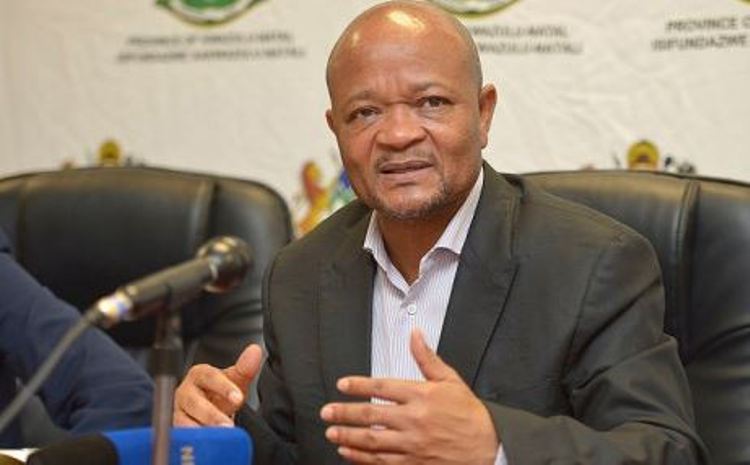
South Africa's Police Minister, Senzo Mchunu, has reinforced the South African Police Service's (SAPS) unwavering commitment to building an efficient, effective, and accountable police service. Speaking at a media briefing following the three-day National Policing Summit, Mchunu emphasized the government's dedication to shaping a police service that aligns with the values of the nation's democracy.
"We are committed to realizing an efficient, effective, and responsible police service," Mchunu stated firmly. "This is non-negotiable. The people of South Africa demand a police force that they can trust, one that acts swiftly and decisively."
Held at the Emperors Palace Convention Centre in Gauteng, the summit gathered a diverse group of stakeholders, including seasoned researchers, academic leaders, the business sector, and community structures. The discussions centered on strategies to enhance SAPS operations and reposition the police service for long-term success.
Addressing National Policing Challenges
Minister Mchunu laid out several key policing priorities in the wake of the summit, which aim to reduce violent crime and bolster public safety across South Africa. These include targeting murder rates, confiscating illegal firearms, curbing drug trafficking, combating gender-based violence and femicide (GBVF), and tackling organized crime syndicates.
The Minister also noted the alarming rise in specific criminal activities, such as kidnappings, extortion, cash-in-transit heists, and stock theft. In light of these challenges, the police have identified critical areas for improvement, focusing on provinces with the highest crime rates, namely Gauteng, KwaZulu-Natal, Eastern Cape, and Western Cape, which have been marked as crime hotspots.
"The people demand a police force that reflects their trust," said Mchunu. "Our responsibility is to act on these demands with efficiency and accountability."
Technology and Intelligence in Policing
A major theme of the summit was the emphasis on modernizing SAPS through technological advancements. National Police Commissioner Fannie Masemola highlighted the growing importance of data-driven policing, artificial intelligence, real-time crime tracking, and GIS mapping. These tools are expected to enhance SAPS's ability to predict criminal behavior and deploy resources more effectively, maximizing impact while working within the constraints of the existing budget.
"There was a strong focus on the integration of predictive policing and real-time analytics to create a more responsive, proactive police force," Masemola said. "We are also focusing on improving data quality and ensuring that our officers are digitally literate to make the most of these advancements."
One of the summit's pivotal resolutions is the establishment of a National Policing Summit Operations Room, where a permanent scoreboard will track progress on the summit's resolutions for the next five years. This initiative will hold SAPS leadership accountable to the public while ensuring continuous improvements are made in the fight against crime.
Improving Community Trust and Police Visibility
Another significant aspect of the summit revolved around improving the relationship between the SAPS and the South African public. Discussions revealed a disconnect between visible policing efforts, such as patrols and deployments, and their actual impact on public safety. As a result, there was a collective call for more effective and meaningful engagement with communities to ensure policing efforts result in tangible safety improvements.
"The quality of policing should not just be about numbers and visibility but about the real and lasting impact it has on communities," explained Masemola. "We need to rethink how SAPS can make a real difference in people's lives and how to better demonstrate that to the public."
Summit participants also emphasized the importance of rebuilding public trust, which has been eroded in some areas due to perceptions of inefficiency and corruption within the police force.
A Collaborative Approach to Policing
The summit also explored collaborations between the private sector and SAPS. Minister Mchunu announced that business partnerships would support various initiatives, including the capacitation of detective services, the expansion of technology, and improvements to forensic labs. Despite financial constraints, Mchunu assured that SAPS would maximize its resources and strive to improve operational capacity.
"We may face budgetary limitations, but we are committed to making the most of the resources available to us," he explained. "Business partnerships are playing a critical role in helping us improve our services."
Looking Forward: A New Era for SAPS
President Cyril Ramaphosa, who officially opened the summit, called for a comprehensive overhaul of South Africa's policing strategies. The summit underscored the need to rethink the country's approach to law enforcement, using a combination of operational strategies and technological innovations to better address the complexities of modern crime.
The National Policing Summit also served as a platform for SAPS leadership to engage with experts in various fields to understand operational inefficiencies and devise strategies for overcoming them. Key discussions focused on enhancing detective work, strengthening forensic services, and improving crime intelligence. These changes aim to restore public confidence in SAPS and ensure that the police service remains relevant in the face of an ever-changing crime landscape.
With the creation of the Operations Room, increased business partnerships, and a strategic commitment to technology, the SAPS is setting the stage for a transformed police service capable of meeting South Africa's complex law enforcement challenges.
The outcomes of the summit reflect the collective desire for long-term change within SAPS, signaling a new chapter in South Africa's fight against crime, inequality, and insecurity. With these renewed commitments, the South African government is poised to reinvigorate policing efforts and better serve the people of South Africa.


 Google News