

UN Expert Condemns Peru’s Targeting of Prosecutor Espinoza as Threat to Justice
The expert, Margaret Satterthwaite, UN Special Rapporteur on the Independence of Judges and Lawyers, says that Espinoza has been unjustly targeted for actions taken within the legitimate scope of her prosecutorial duties.
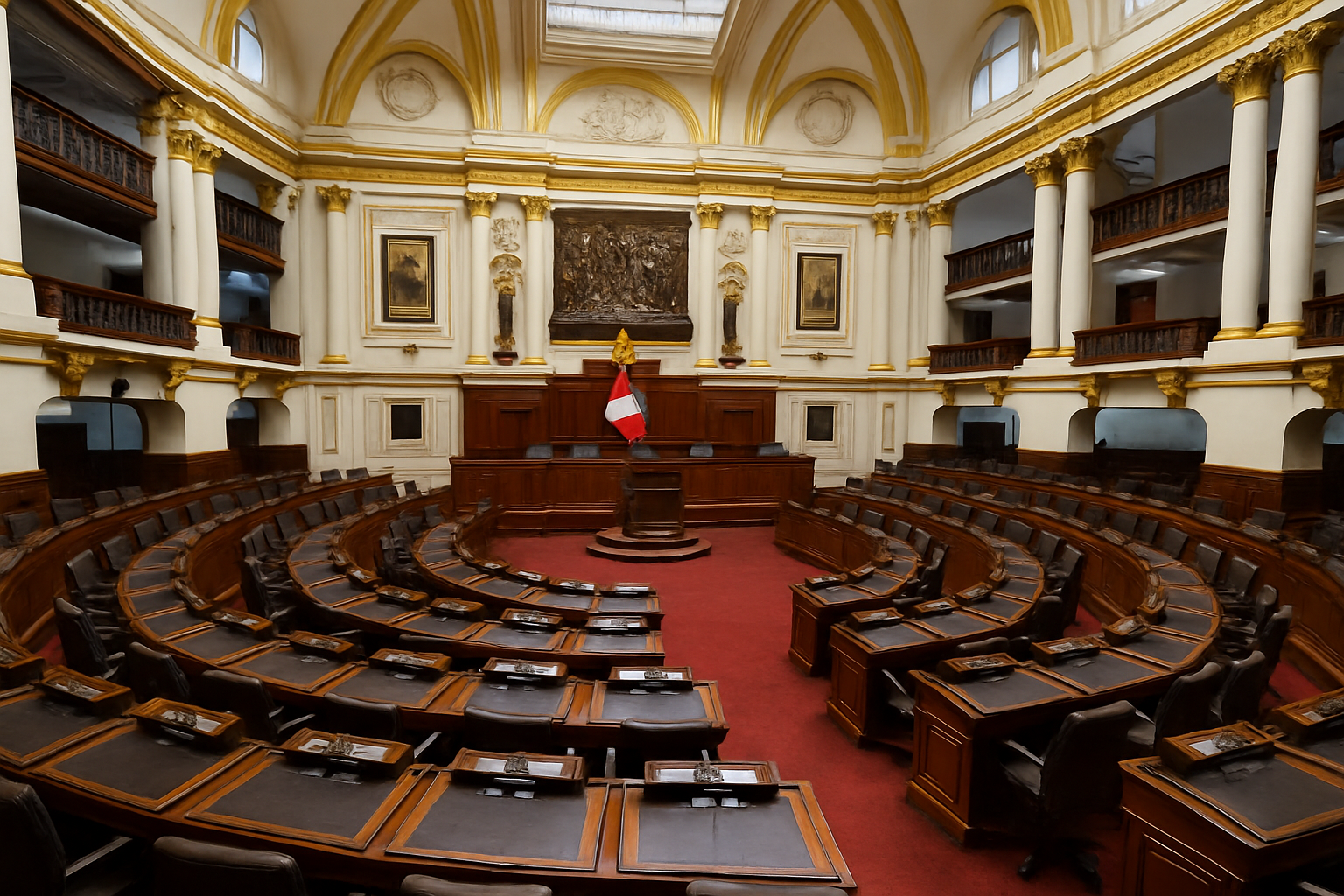
A United Nations human rights expert has raised urgent concerns over what she describes as a coordinated campaign of interference and intimidation against Peru's Supreme Prosecutor and former Attorney General, Patricia Benavides Espinoza. The expert, Margaret Satterthwaite, UN Special Rapporteur on the Independence of Judges and Lawyers, says that Espinoza has been unjustly targeted for actions taken within the legitimate scope of her prosecutorial duties.
Escalating Threats to Judicial Independence
In a strongly worded statement, Satterthwaite criticised multiple actions taken against Espinoza by Peruvian institutions—actions that she says appear aimed at obstructing her work and undermining judicial independence.
"Targeting prosecutor Espinoza through disciplinary proceedings, suspensions, threats to her safety by removing some of her protection detail, and Congressional motions… poses a direct threat to the integrity and fairness of legal proceedings in the country," Satterthwaite said.
The UN expert emphasized that judicial independence is fundamental to democratic governance and must not be subject to political retaliation or institutional pressure.
Disciplinary Action and Suspension Raises Legal Red Flags
Espinoza, who held the top position in Peru's prosecutorial system, was subjected to rapid disciplinary proceedings in September, which resulted in her suspension for six months as both Attorney General of the Nation and Supreme Prosecutor.
These proceedings raised alarms within the legal and human rights community due to:
-
The unusually fast-track nature of the investigation
-
Lack of transparency and due process, violating principles enshrined in Peruvian law
-
The politically sensitive cases Espinoza had been leading as part of her prosecutorial mandate
In October, a Peruvian court ruled that the suspension violated Espinoza's rights and ordered her immediate reinstatement. However, that decision has not yet been implemented, raising further concerns about the erosion of legal norms.
Attacks on the Judiciary: A Dangerous Precedent
Satterthwaite also highlighted that the judge who ordered Espinoza's reinstatement is now under investigation for alleged abuse of authority, initiated by the National Justice Board—a move that the UN expert condemned as an attack on judicial independence.
"I am gravely concerned that the judicial decision to reinstate prosecutor Espinoza has so far not been implemented… and alarmed that the National Justice Board has opened an investigation on abuse of authority against the judge who issued the reinstatement order," said Satterthwaite.
This, she noted, sends a chilling message to the entire judiciary: that issuing lawful rulings in politically sensitive cases could result in personal retaliation.
Congress Moves to Ban Prosecutor for 10 Years
In an even more dramatic development, the Permanent Commission of the Peruvian Congress voted on 25 November to bar Espinoza from holding public office for a period of 10 years.
-
Sixteen lawmakers voted in favour of the motion
-
The vote represents an escalation in the campaign to remove Espinoza from public life entirely
-
The UN expert described this as "shocking" and a violation of international legal standards
Satterthwaite reminded Peruvian authorities of their obligations under international human rights law, which clearly stipulate that:
-
Justice sector personnel must be free from intimidation and undue interference
-
Prosecutors and judges should not face threats, reprisals, or sanctions for performing their duties in accordance with the law and professional ethics
A Pattern of Undermining the Rule of Law
The case of Prosecutor Espinoza, according to observers, reflects broader concerns about political interference in the judiciary in Peru. Her suspension and ongoing legal challenges have come amid her involvement in several high-profile investigations, including corruption and abuse of power cases involving powerful political figures.
Legal experts fear this may be part of a broader trend toward institutional weakening, where independent justice actors are sidelined or punished for pursuing politically sensitive cases.
UN Calls for Immediate Compliance with Legal Standards
"Judicial independence is not optional. It is the foundation of democracy," Satterthwaite stressed. "Peru must comply with international human rights standards and stop all efforts to interfere with the work of prosecutors and judges."
The Special Rapporteur confirmed that she has formally communicated her concerns to the Peruvian Government, urging a halt to all disciplinary and political reprisals against Espinoza and the judiciary.
As the situation continues to unfold, human rights organisations around the world are watching closely. The case may serve as a critical test of Peru's commitment to democratic principles and the rule of law in a time of growing institutional strain.


 Google News