

SADC Parliamentarians Rally for United Climate Action, Prioritizing Women and Youth at 58th Plenary
This year's session is anchored around the theme: “The Impact of Climate Change on Women and Youth, and the Role of SADC Parliamentarians in Mitigation and Adaptation.”
- Country:
- South Africa
More than 300 delegates from across Southern Africa have convened in Durban for the 58th Plenary Session of the Southern African Development Community Parliamentary Forum (SADC PF), expressing strong confidence in the forum's growing leadership in shaping coordinated regional climate responses.
This year's session is anchored around the theme: "The Impact of Climate Change on Women and Youth, and the Role of SADC Parliamentarians in Mitigation and Adaptation."
The week-long gathering, hosted by South Africa, brings together lawmakers, experts, civil society representatives, and development partners to build momentum toward a harmonized regional legislative approach to climate mitigation, adaptation, and resilience-building.
Legislatures Must Lead, Not Observe
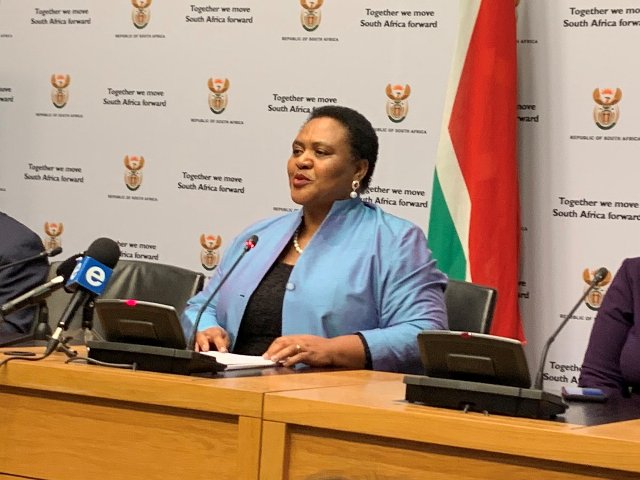
Opening the session, Speaker of the National Assembly, Thoko Didiza, emphasized that Southern African legislatures cannot afford a passive role in the face of escalating climate impacts.
"Parliamentarians' responsibilities must stretch beyond budget approvals—we must champion transformative climate legislation and governance," Didiza declared.
She called for national legal frameworks that align with key regional and international instruments, including:
-
The Paris Agreement
-
Outcomes from the Conference of the Parties (COP) negotiations
-
The SADC Climate Change Strategy and Action Plan
Didiza urged lawmakers to enact enabling policies that:
-
Accelerate the shift to renewable energy
-
Strengthen water security and sustainable land use
-
Enforce climate accountability through national climate acts with measurable targets and reporting mechanisms
She stressed that vulnerable groups—especially women, youth, and rural communities—must be kept at the center of policy design and funding decisions.
Deputy President Mashatile: Climate Equity Must Guide Policy
In a virtual address, Deputy President Paul Mashatile reaffirmed South Africa's commitment to ambitious climate action, noting that recent G20 discussions placed climate response high on the global agenda.
He highlighted the sobering reality: The SADC region is among the hardest-hit by rising temperatures, droughts, cyclones, and food insecurity.
Women and young people, he said, face disproportionate impacts, including:
-
Increased unpaid labour
-
Higher vulnerability to gender-based violence
-
Compromised livelihoods and education opportunities
-
Climate-related health risks
Mashatile emphasized that SADC parliaments must act as both policy architects and accountability watchdogs, ensuring government commitments translate into real progress.
"Gender-responsive climate laws must be mainstreamed across all sectors. Parliaments must ensure that vulnerable communities are not left behind in a just transition," he stated.
He called for increased domestic and cross-border financing to expand renewable energy access, climate-smart agriculture, disaster preparedness systems, and youth-led innovation in green industries.
A Turning Point for Regional Climate Governance
Delegates at the plenary say the session could become a milestone in establishing legally binding regional cooperation on climate action—similar to existing frameworks for trade, security, and water governance in SADC.
The forum is expected to develop:
-
A model law on climate change
-
A regional oversight mechanism on adaptation financing
-
New partnerships with youth and women-led climate networks
Many participants view these steps as essential to achieving the African Union's Agenda 2063, the UN's Sustainable Development Goals (SDGs)—particularly SDG 13 (Climate Action)—and ensuring climate justice for Southern Africa's most affected populations.


 Google News