

Namami Gange Phase II Accelerates River-Tech Infrastructure With Five New STPs Commissioned in Q3 FY26
The project ensures effective interception and diversion of sewage, preventing discharge into the River Ganga and showcasing how compact, modular STPs can deliver high impact in smaller urban centres.

- Country:
- India
India's flagship river rejuvenation programme, Namami Gange Mission Phase II, has recorded a major milestone with the operationalisation of five advanced sewerage infrastructure projects during the third quarter of FY 2025–26, significantly strengthening pollution abatement and urban wastewater management across multiple states.
With these additions, nine sewage infrastructure projects have been made operational so far in FY 2025–26, expanding treatment capacity in key urban centres. Earlier projects during Q1–Q2 became operational in Udham Singh Nagar (Uttarakhand), Moradabad (Uttar Pradesh), Maheshtala (West Bengal), and Jangipur (West Bengal).
Scale at a Glance: National River-Tech Infrastructure
The latest commissioning pushes cumulative achievements under the Namami Gange Programme to:
-
3,976 MLD of sewage treatment capacity commissioned
-
173 Sewage Treatment Plants (STPs) operational nationwide
These outcomes directly advance the Mission's core objective—preventing untreated sewage from entering rivers, while modernising India's urban sanitation backbone through technology-led, performance-based infrastructure delivery.
Shuklagunj, Uttar Pradesh: Compact STP Using SBR Technology
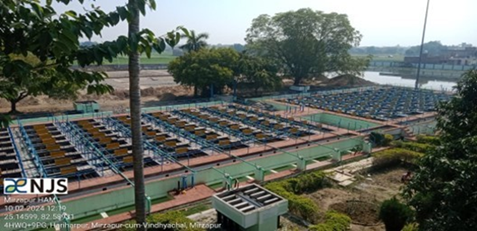

Pollution abatement in Shuklagunj has received a major boost with the commissioning of a 5 MLD Sewage Treatment Plant, developed at a cost of ₹65 crore.
-
Technology: Sequential Batch Reactor (SBR)
-
Implementation Model: Hybrid Annuity Model (HAM)
-
Population Benefited: ~3 lakh
The project ensures effective interception and diversion of sewage, preventing discharge into the River Ganga and showcasing how compact, modular STPs can deliver high impact in smaller urban centres.
Agra, Uttar Pradesh: Large-Scale Urban Wastewater Modernisation


In Agra, a critical city in the Yamuna river basin, two STPs with capacities of 31 MLD and 35 MLD were commissioned during Q3.
-
Project Cost: ₹842 crore
-
Total Planned Capacity: 177.6 MLD across 13 STPs
-
Technology: SBR
-
Model: HAM
-
Population Benefited: ~25 lakh
The project significantly reduces untreated sewage entering the River Yamuna, positioning Agra as a model for large-scale, basin-level wastewater intervention.
Varanasi, Uttar Pradesh: Strengthening Wastewater Systems in a Heritage City
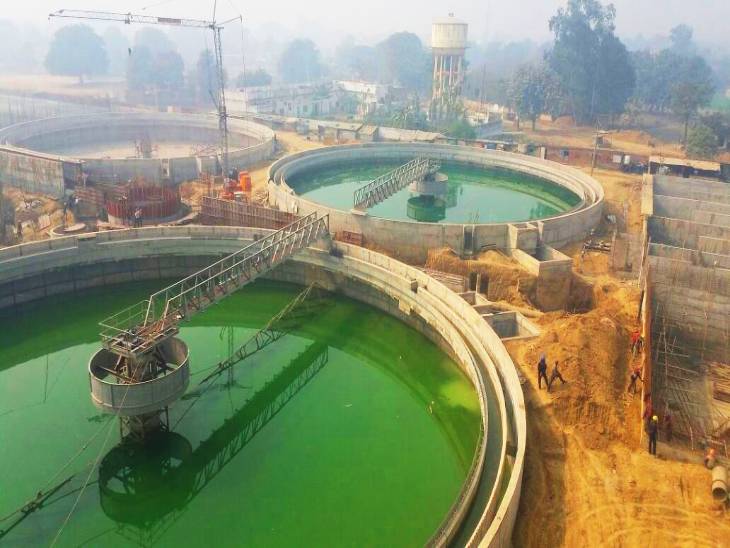

In Varanasi, a 55 MLD STP at Assi–BHU has been operationalised under a project sanctioned at ₹308 crore.
-
Technology: SBR
-
Model: Design-Build-Operate-Transfer (DBOT)
-
Population Benefited: ~18 lakh
This facility plays a critical role in protecting the River Ganga, while demonstrating how modern wastewater engineering can coexist with heritage-sensitive urban environments.
North Barrackpore, West Bengal: NGT-Compliant River Protection
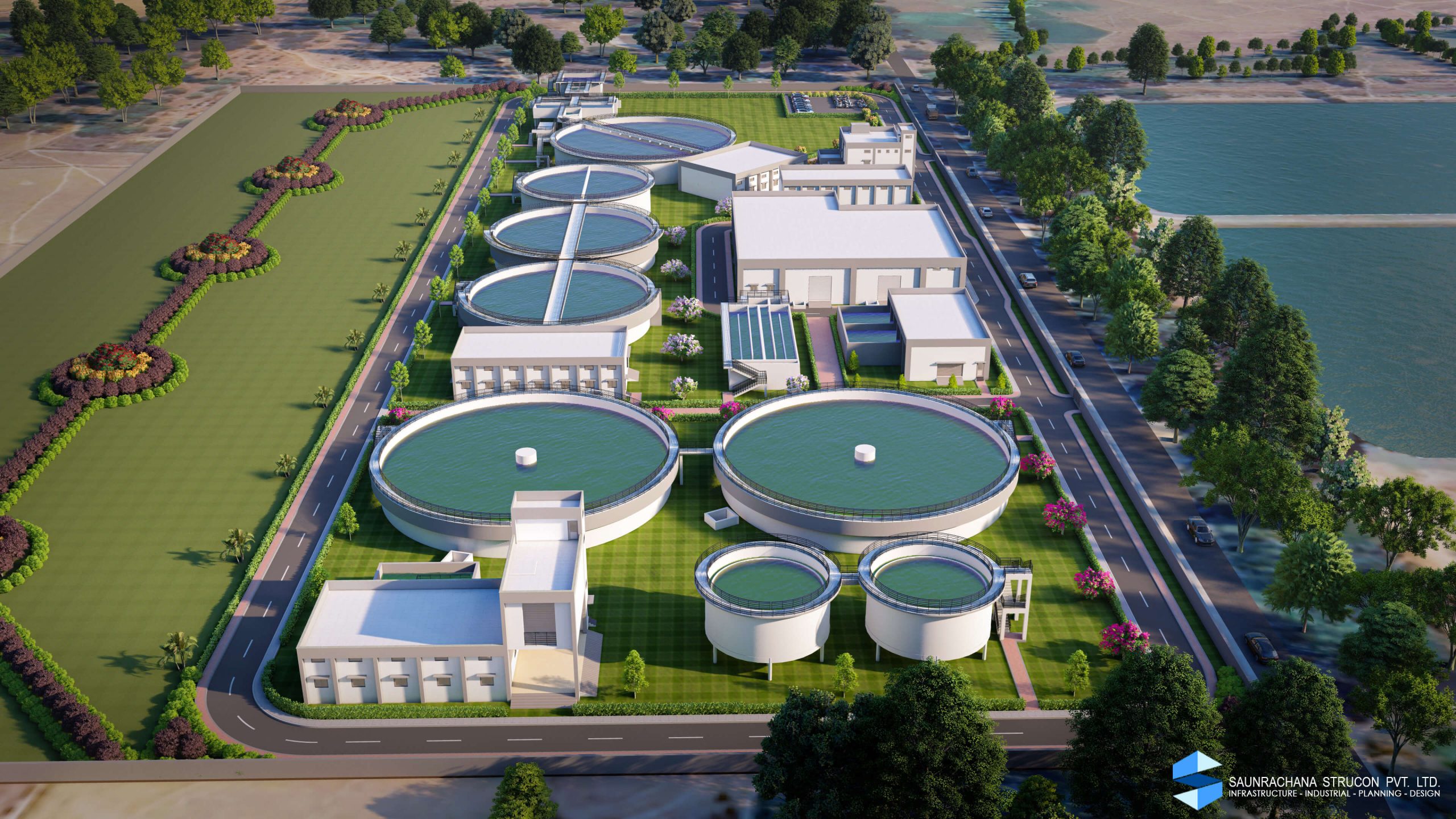
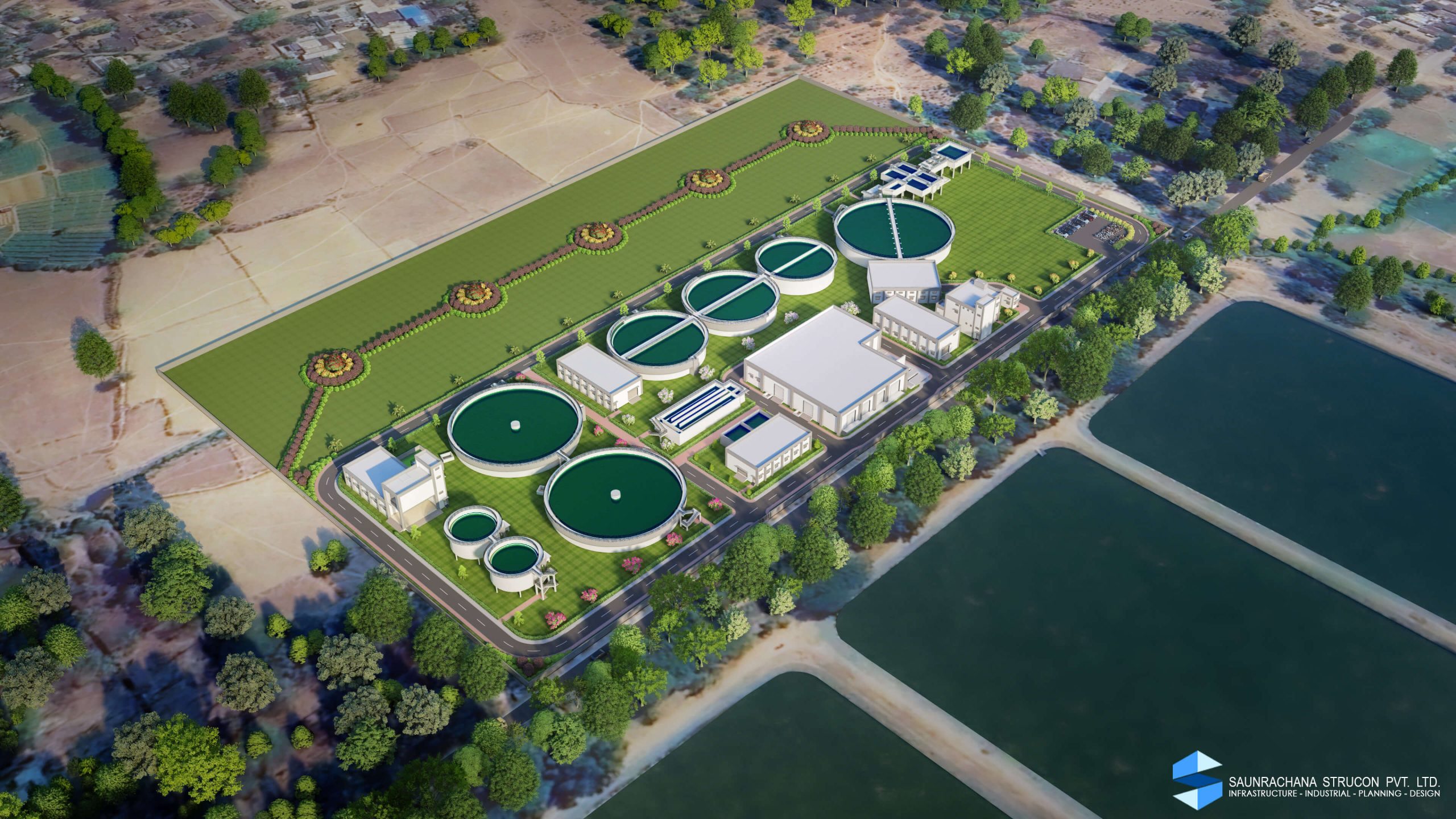
In North Barrackpore, a 30 MLD STP has been commissioned under a project sanctioned at ₹154 crore.
-
Total Planned Capacity: 38 MLD across two STPs
-
Technology: SBR
-
Model: HAM
-
Compliance: NGT norms
-
Population Benefited: ~2.2 lakh
The project strengthens sanitation infrastructure while preventing untreated sewage from entering the River Ganga.
Patna, Bihar: Capacity Augmentation for Rapid Urban Growth

In Patna, the Kankarbagh STP has seen its capacity expanded from 15 MLD to 30 MLD during Q3 FY26, enhancing wastewater treatment resilience in one of eastern India's fastest-growing urban centres.
Why This Matters: Wastewater as Climate & Urban Infrastructure
These projects highlight a decisive shift in India's river rejuvenation strategy—from isolated treatment assets to technology-enabled, financially structured, and performance-linked urban water infrastructure.
Key enablers include:
-
Advanced biological treatment technologies (SBR)
-
Innovative PPP models (HAM, DBOT)
-
Compliance with environmental and NGT standards
-
Scalable capacity augmentation for future urban growth
Together, they position wastewater treatment as critical climate-resilience and public health infrastructure.
Call to Action: Build the Next Layer of India's Water-Tech Stack
The rapid expansion under Namami Gange Phase II opens opportunities for:
-
Water-tech startups in treatment optimisation and digital monitoring
-
AI and IoT firms for real-time STP performance analytics
-
Infrastructure finance players supporting outcome-based PPP models
-
Urban planners and climate engineers developing river-basin solutions
Early adopters and solution providers are encouraged to partner with states and implementing agencies to scale next-generation wastewater and river-rejuvenation technologies across India.
With nearly 4,000 MLD capacity already commissioned, Namami Gange is evolving into one of the world's largest technology-driven river restoration programmes, reinforcing India's commitment to clean rivers, resilient cities, and sustainable development.


 Google News