



UN Experts: Restoring Democracy in Venezuela Requires Accountability, Self-Determination, and Control Over Resources—Not Foreign Military Rule
“The future of Venezuela must be decided by Venezuelans alone,” the experts said, stressing that democracy cannot be engineered through force, surveillance, or foreign administration.
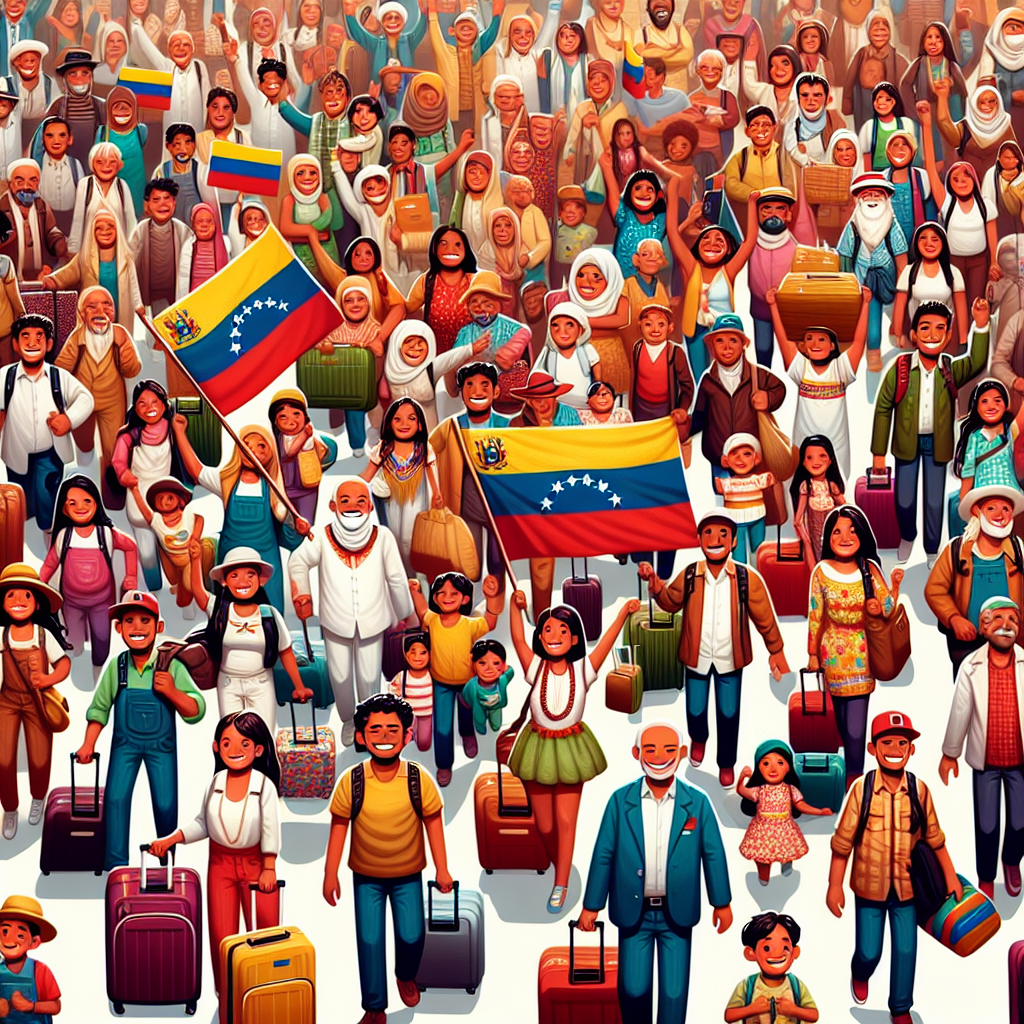
United Nations human rights experts warned today that the only viable path to restoring democracy in Venezuela lies in respecting the will of the Venezuelan people, ensuring accountability for decades of abuses, and safeguarding the sovereign and sustainable use of the country’s natural resources—amid escalating geopolitical and technological power struggles.
The experts issued a strong condemnation of recent US military intervention in Venezuela, calling it a deliberate violation of the UN Charter and international law, and cautioning that external control—whether military, political, or economic—undermines democracy rather than restoring it.
“The future of Venezuela must be decided by Venezuelans alone,” the experts said, stressing that democracy cannot be engineered through force, surveillance, or foreign administration.
Accountability as Infrastructure: The Missing System in Venezuela’s Democratic Recovery
UN experts emphasized that independent, impartial, and technologically credible investigations into human rights violations over the past 20 years are an absolute priority. Justice, they said, requires not only political will but robust systems capable of truth-seeking, evidence preservation, and accountability at scale.
Key priorities include:
-
Determining the fate and whereabouts of forcibly disappeared persons
-
The unconditional release of all arbitrarily detained individuals
-
Protection of civil society, journalists, and human rights defenders—especially women defenders facing heightened digital and physical threats
-
Access to justice and reparations for victims, including those in exile
“Without accountability, there can be no sustainable democracy,” the experts said, warning that impunity—whether enforced through repression or obscured by weak institutions—locks countries into cycles of abuse.
A Humanitarian Emergency That Demands More Than Aid
Venezuela’s ongoing humanitarian crisis requires urgent action to establish safe, dignified, and sustainable livelihoods, the experts stated. They stressed that recovery cannot rely on extractive or externally imposed economic models, but must be built on people-centred systems that prioritise health, food security, housing, and social protection.
Inclusive participation is essential, they said, calling for the full, equal, and meaningful involvement of:
-
Women
-
Indigenous Peoples
-
Afro-Venezuelans
-
Millions of Venezuelans forced to migrate or seek asylum
Sovereignty, Natural Resources, and the Climate Imperative
The experts rejected any unilateral move to place Venezuela under foreign control, even temporarily, warning that it would violate the right to self-determination enshrined in international human rights law.
They stressed that Venezuela’s natural resources must be managed by Venezuelans, in line with human rights, environmental protection, and climate obligations—particularly for Indigenous communities.
Recalling recent rulings by the International Court of Justice, the experts warned that continued fossil fuel extraction without regard for climate impacts may violate international law.
“The use of natural resources must prioritise the needs of Venezuelans to overcome the humanitarian emergency, while advancing a just transition,” they said, urging companies and investors to avoid contributing to climate harm or human rights violations.
States of Emergency and the Risk of Tech-Enabled Repression
UN experts also expressed concern over Venezuela’s declaration of a “state of external commotion” on January 3, 2026, cautioning that emergency powers—often reinforced by surveillance technologies and security infrastructure—must not be used to criminalise dissent or intensify repression.
They stressed that any emergency measures must comply with:
-
Legality
-
Necessity
-
Proportionality
-
Non-discrimination
-
Respect for non-derogable rights
A Message for the Tech, Climate, and Governance Sectors
For technologists, climate innovators, civic-tech builders, and investors, the UN’s message is clear: democracy cannot be restored through force, data dominance, or resource capture.
Instead, experts are calling for early adoption of:
-
Transparency-by-design governance tools
-
Digital systems that support truth, reparations, and participation
-
Climate-aligned resource management technologies
-
Accountability frameworks that prevent complicity in repression or environmental harm
“Democracy and rule of law cannot be sustainably restored without fundamental freedoms, separation of powers, judicial independence, and demilitarised civilian governance,” the experts said.
They reaffirmed that Latin America is a zone of peace and called on all actors—states, companies, technologists, and civil society—to resolve conflicts through international law, dialogue, and cooperation.
UN experts expressed their willingness to provide technical support and engage constructively with all relevant stakeholders.


 Google News