

Over 5.4 Crore Smart Meters Installed Nationwide Under Power Reforms: Govt
The scheme aims to support States and Union Territories in delivering quality, reliable and affordable power supply, with smart metering identified as one of its cornerstone reforms.
- Country:
- India
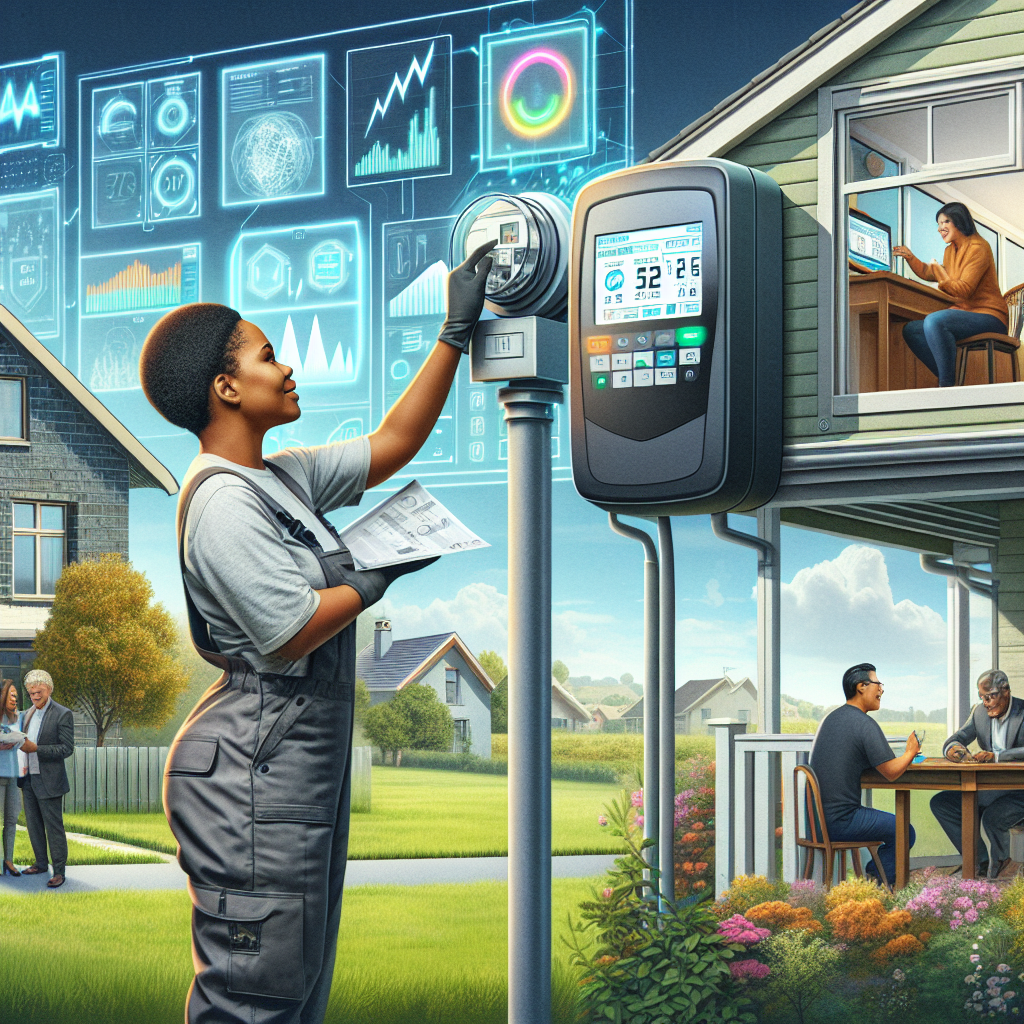
The Government of India's Revamped Distribution Sector Scheme (RDSS), launched in July 2021, is driving significant improvements in the country's power distribution landscape, with over 5.4 crore smart meters installed nationwide as part of ongoing efforts to enhance the operational efficiency and financial sustainability of electricity distribution utilities.
The scheme aims to support States and Union Territories in delivering quality, reliable and affordable power supply, with smart metering identified as one of its cornerstone reforms.
Scale of Smart Metering Under RDSS
Under RDSS, smart metering works have been sanctioned for 45 distribution utilities across 28 States and Union Territories, covering the installation of:
-
19.79 crore consumer smart meters
-
52.53 lakh distribution transformer (DT) meters
-
2.05 lakh feeder meters
As of 31 December 2025, 3.90 crore smart meters have been installed under RDSS alone. In addition, several States have deployed smart meters through their own State plans and other schemes. Taken together, 5.28 crore smart meters had been installed across India under various programmes by the end of December 2025. The figure has since risen further to 5.44 crore smart meters as of 15 January, including 4.05 crore installed specifically under RDSS.
State- and Union Territory-wise details of sanctioned and installed smart meters highlight wide-scale adoption, with major rollouts underway in states such as Maharashtra, Uttar Pradesh, Gujarat, Madhya Pradesh, Rajasthan and Assam.
Strengthening DISCOM Finances and Reducing Losses
A key focus of RDSS is the introduction of prepaid smart metering, which offers substantial benefits to electricity distribution companies (DISCOMs) as well as consumers. For utilities, prepaid meters enable advance revenue collection, improved billing and collection efficiency, reduced receivables, lower working capital requirements and improved cash flows.
These reforms, combined with other structural measures under RDSS, have contributed to a marked reduction in Aggregate Technical and Commercial (AT&C) losses, which declined from 21.91% in FY2021 to 15.04% in FY2025, reflecting improved financial health across the power distribution sector.
Empowering Consumers Through Digital Visibility
For consumers, smart meters provide near real-time electricity consumption data through mobile applications, enabling better budgeting, consumption monitoring and energy optimisation. The apps also offer features such as easy recharge and bill payment options, low-balance alerts via SMS or push notifications, and historical usage graphs.
According to a feedback survey conducted by RDSS nodal agencies REC Ltd and PFC Ltd, out of 1,24,590 consumers who downloaded the smart metering mobile application:
-
54,321 consumers were aware of the real-time consumption monitoring feature
-
72,494 consumers were aware of the recharge and bill payment functionality
The feedback gathered through regular consumer engagement exercises is being used by DISCOMs to further improve application usability and consumer experience.
Cyber Security and Data Protection Measures
Recognising the critical importance of data security, the Standard Bidding Document (SBD) for smart metering under RDSS includes comprehensive provisions to address cyber security and data protection risks. These provisions cover secure communication infrastructure, cloud security requirements, cyber incident management and compliance with the Digital Personal Data Protection (DPDP) Act.
In addition, the establishment of CSIRT-Power provides sector-specific support to utilities for cyber incident handling and strengthens overall cyber security preparedness within the power sector.
Building Consumer Trust Through Awareness Campaigns
To enhance public confidence in prepaid smart metering, DISCOMs, RDSS nodal agencies and Advanced Metering Infrastructure (AMI) service providers are implementing extensive consumer awareness programmes. These include the distribution of informational pamphlets, installation of banners at high-footfall locations, community outreach through loudspeaker announcements and vernacular audio jingles, awareness workshops during meter installation, interactive awareness canopies and sustained engagement through social media platforms.
Parliamentary Disclosure
The information was provided by the Minister of State in the Ministry of Power, Shri Shripad Naik, in a written reply to the Rajya Sabha, underscoring the government's emphasis on transparency and accountability in the implementation of power sector reforms.
As RDSS continues to scale up smart metering nationwide, the initiative is expected to play a transformative role in improving the efficiency, financial viability and consumer responsiveness of India's electricity distribution system.


 Google News