

NZ Backs Emerging US–Iran De-escalation Efforts, Calls for Urgent Push Toward Durable Ceasefire
Peters made it clear that New Zealand’s support will extend beyond immediate diplomatic statements, positioning the country as a consistent advocate for long-term peacebuilding efforts.
- Country:
- New Zealand
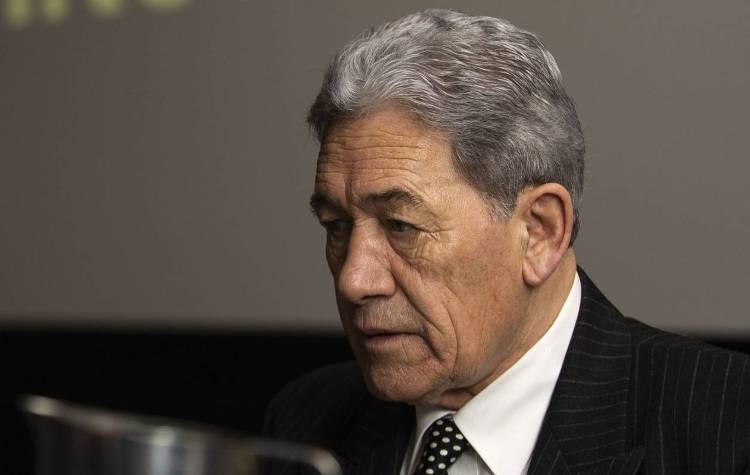
New Zealand has cautiously welcomed fresh diplomatic signals from the United States and Iran, with Foreign Minister Winston Peters describing recent announcements from both sides as a "positive step" toward reducing tensions in a conflict that has reverberated far beyond the Middle East.
In a strongly worded statement reflecting both optimism and urgency, Peters emphasized that while the developments mark encouraging progress, they represent only the beginning of what must become a sustained and coordinated international effort to secure a lasting ceasefire.
"Any movement toward de-escalation is welcome," Peters said, "but the reality remains that significant and complex work lies ahead. The coming days will be critical in determining whether this momentum can translate into a durable and enforceable cessation of hostilities."
Global Stakes, Regional Impact
The conflict—widely seen as one of the most destabilizing geopolitical flashpoints in recent years—has had far-reaching consequences, affecting global energy markets, international shipping routes, and economic stability across multiple regions. Analysts estimate that disruptions linked to tensions involving Iran have already contributed to fluctuations in global oil prices of up to 15–20% in recent months, with ripple effects felt in inflation rates and supply chains worldwide.
New Zealand, despite its geographic distance, has not been immune. Peters highlighted that the conflict has disrupted trade flows and increased costs for businesses and consumers across the Pacific, underscoring the interconnected nature of modern geopolitical crises.
"This is not a distant issue," he noted. "Its impacts are being felt in New Zealand households, in Pacific economies, and across global systems that rely on stability and open trade routes."
Quiet Diplomacy and Emerging Coalitions
A notable feature of the current diplomatic landscape is the growing role of non-traditional mediators. Peters specifically acknowledged the efforts of Pakistan, alongside Türkiye and Egypt, in facilitating dialogue and attempting to bridge divides between the involved parties.
Diplomatic observers suggest that this multi-country mediation effort reflects a broader shift toward more distributed global diplomacy, where regional powers play increasingly influential roles in conflict resolution. Pakistan's engagement, in particular, is being viewed as a strategic move that could reshape its diplomatic positioning on the global stage.
"We are grateful for the constructive role played by partners such as Pakistan, Türkiye, and Egypt," Peters said. "Their efforts demonstrate the importance of collective international responsibility in addressing crises of this scale."
High-Level Engagement with the United States
Peters also confirmed direct discussions with U.S. Secretary of State Marco Rubio, signaling New Zealand's active engagement with key global actors involved in managing the crisis. While details of the conversation remain limited, the dialogue underscores Wellington's commitment to staying closely aligned with international partners and contributing diplomatically where possible.
Experts note that New Zealand's approach reflects its long-standing foreign policy principles—support for multilateralism, adherence to international law, and a focus on peaceful resolution of disputes.
The Road Ahead: From De-escalation to Lasting Peace
Despite the cautiously optimistic tone, officials stress that the path to a lasting ceasefire remains uncertain. Previous attempts at de-escalation in the region have often faltered due to deep-rooted political, ideological, and security tensions.
Peters made it clear that New Zealand's support will extend beyond immediate diplomatic statements, positioning the country as a consistent advocate for long-term peacebuilding efforts.
"In the coming days and weeks, New Zealand will stand firmly behind all initiatives aimed at achieving a durable and lasting resolution," he said. "This requires not only political will but sustained international coordination and accountability."
A Test for Global Diplomacy
The current moment is being closely watched by international observers as a potential turning point. If successful, the evolving US–Iran engagement could serve as a model for resolving other protracted conflicts through coordinated multilateral diplomacy.
However, failure to convert early signals into concrete outcomes could deepen instability and erode trust in diplomatic mechanisms.
For now, New Zealand's message is clear: cautious optimism must be matched with urgent action.
As Peters concluded, "The opportunity is there—but it must be seized with determination, cooperation, and a shared commitment to peace."


 Google News