

Supreme Court Decision Strikes Major Blow to Voting Rights Act
The U.S. Supreme Court's recent decision weakens the Voting Rights Act, a pivotal law preventing minority discrimination at the ballot box for decades. The ruling, coming after a similar decision over a decade ago, has raised concerns about minority representation and could herald a return to discriminatory practices in voting maps.
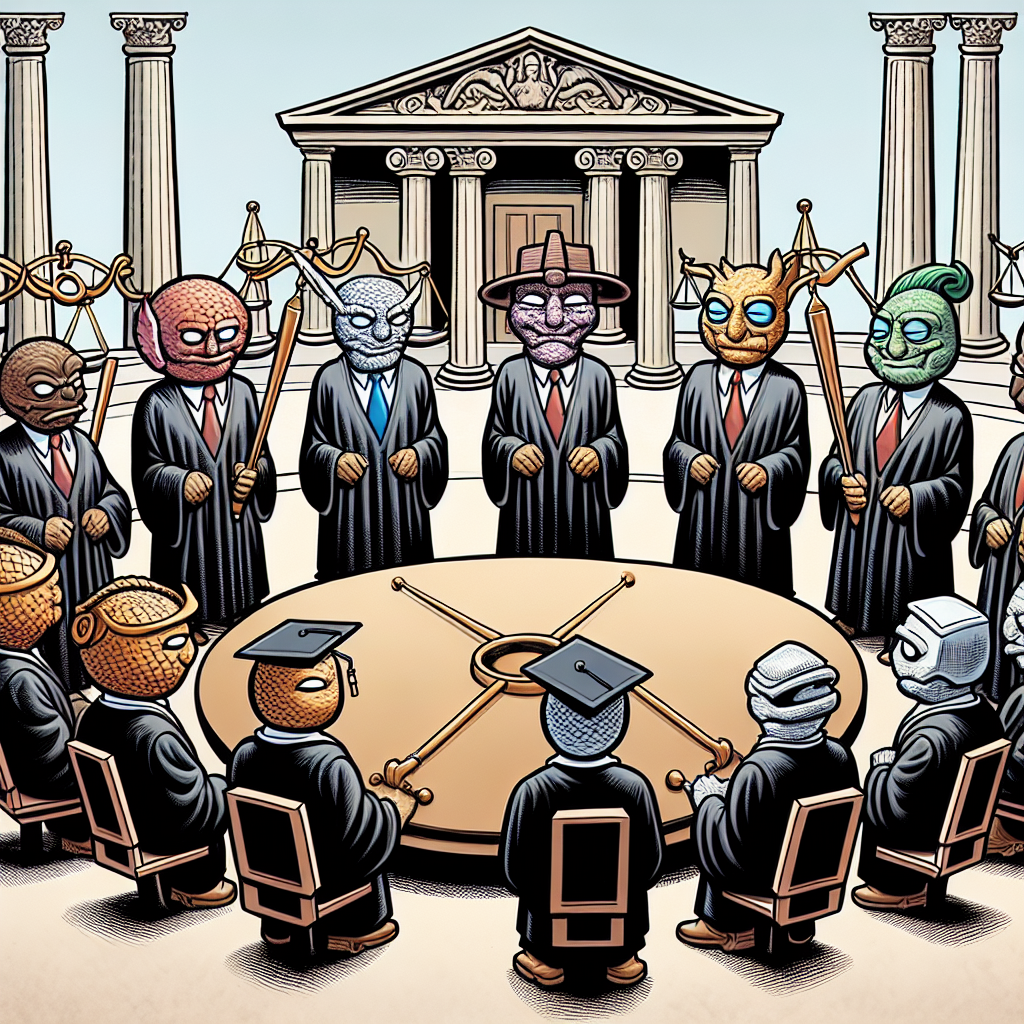
The U.S. Supreme Court has delivered a significant ruling that mitigates the impact of the landmark Voting Rights Act, raising alarms about the future of minority representation. After the court's decision, longstanding protections against racial discrimination in voting appear to be increasingly vulnerable.
The decision emerged from a Louisiana redistricting case, finding that the state's creation of a district including a second Black representative was an unconstitutional gerrymander. The ruling poses challenges for those aiming to prove discrimination, which experts say could facilitate political maneuvers undermining minority representation.
This decision builds on a decade-long erosion of the Voting Rights Act, causing fear among advocates about the potential rollback of advances in minority representation, particularly at the local and state levels, which are critical for addressing community-specific issues such as healthcare, education, and public infrastructure.


 Google News