

SA Recommits to Press Freedom as It Ranks Top in Africa in Global Index
“This year’s World Press Freedom Day is a call to harness the power of the media to shape narratives that promote discourse on global peace and human rights,” GCIS said.
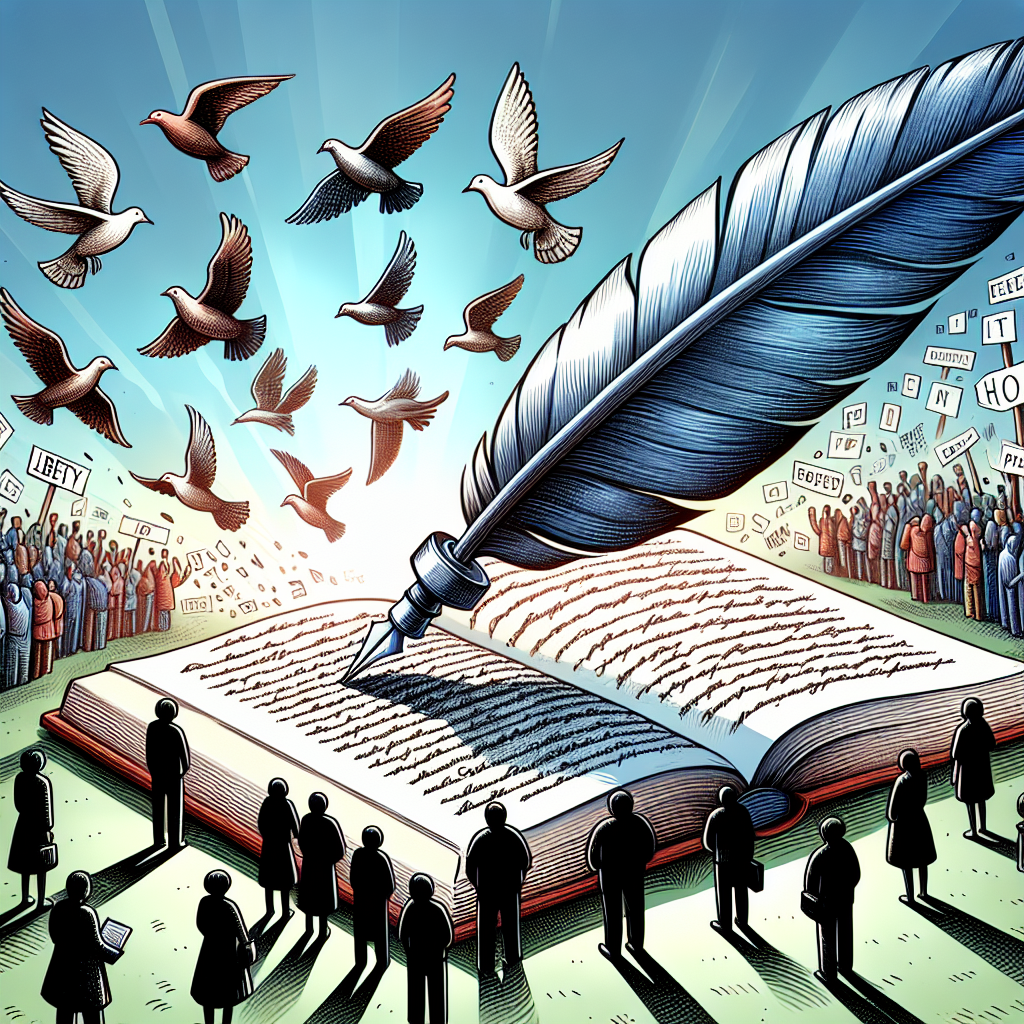
- Country:
- South Africa
The South African government has reaffirmed its commitment to upholding a free, independent, and vibrant media landscape, as the country marks World Press Freedom Day 2026—a global observance highlighting the essential role of journalism in democratic societies.
This year's commemoration, held under the theme "Shaping a Future at Peace: Promoting Press Freedom for Human Rights, Development and Security," underscores the growing importance of credible media in fostering informed public discourse, strengthening democratic institutions, and advancing global stability.
South Africa Leads Africa in Global Press Freedom Rankings
South Africa continues to stand out on the continent for its relatively strong media environment. According to the 2026 World Press Freedom Index published by Reporters Without Borders, the country ranks 21st out of 180 countries globally, making it the highest-ranked nation in Africa.
This position reflects the country's constitutional protections for freedom of expression and the press, as well as a diverse and active media sector that plays a critical watchdog role.
Analysts note that while South Africa performs well compared to many peers, ongoing challenges—including misinformation, economic pressures on media houses, and journalist safety—remain areas requiring continued attention.
Media as a Pillar of Democracy and Peace
In a statement marking the occasion, the Government Communication and Information System (GCIS) highlighted the central role of the media in shaping narratives that promote peace, human rights, and development.
"This year's World Press Freedom Day is a call to harness the power of the media to shape narratives that promote discourse on global peace and human rights," GCIS said.
The government also acknowledged the contributions of media institutions committed to ethical journalism, emphasizing the importance of accuracy, verification, and accountability in reporting.
Balancing Freedom with Responsibility
While reaffirming support for press freedom, government stressed that the media carries a critical responsibility to provide accurate, fair, and verified information, particularly in an era marked by rapid information flows and the rise of digital platforms.
Experts argue that this balance—between freedom and responsibility—is increasingly vital in combating misinformation and maintaining public trust in institutions.
Global Context: Rising Press Freedom Challenges
World Press Freedom Day comes at a time when journalists worldwide continue to face mounting pressures, including censorship, political interference, economic instability, and safety risks.
Against this backdrop, South Africa's relatively strong ranking positions it as a regional example of how constitutional protections and institutional frameworks can support media independence.
Looking Ahead: Safeguarding Media Freedom
The government's reaffirmation signals ongoing commitment to maintaining an enabling environment for journalists and media organisations, while encouraging ethical standards that strengthen democracy.
As the world navigates complex challenges—from conflict and climate change to economic uncertainty—the role of a free and responsible press remains indispensable.
South Africa's message this World Press Freedom Day is clear: safeguarding media freedom is not only about protecting journalists—it is about protecting democracy itself.


 Google News