

SA Unveils Hospital Infrastructure Drive with 11 Major Health Facility Bids
According to Motsoaledi, the Department of Health will begin submitting 11 major bids starting in the July 2026 BFI bid window.
- Country:
- South Africa
South Africa's Department of Health is preparing to submit more than 10 major infrastructure funding bids under the expanded Budget Facility for Infrastructure (BFI), signalling one of the country's largest healthcare infrastructure investment drives in recent years.
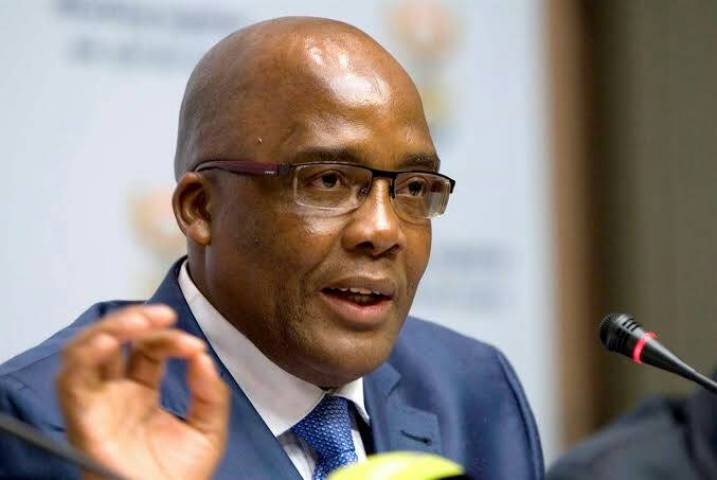
Health Minister Dr Aaron Motsoaledi announced the ambitious plan while presenting the Department of Health's Budget Vote in Parliament on Wednesday, outlining a sweeping strategy to modernise hospitals, strengthen regional healthcare systems, and accelerate long-delayed infrastructure projects nationwide.
The move aligns with President Cyril Ramaphosa's commitment, made during this year's State of the Nation Address, to prioritise substantial investment in public health infrastructure, particularly academic hospitals and major regional facilities.
11 Major Hospital Projects to Be Submitted for Funding
According to Motsoaledi, the Department of Health will begin submitting 11 major bids starting in the July 2026 BFI bid window.
The projects include several large-scale academic, district, regional, and specialised healthcare facilities across multiple provinces.
The proposed infrastructure bids are:
Gauteng
-
Dr George Mkhari Academic Hospital
-
Soshanguve District Hospital
-
Diepsloot District Hospital
-
Thabang District Hospital in Dobsonville
-
Eldorado Park Hospital
-
Holomisa Hospital in the Holomisa Informal Settlement in Westonaria
KwaZulu-Natal
-
Victoria Mxenge (King Edward VIII) Academic Hospitals
Eastern Cape
-
Nelson Mandela Academic Hospital
Limpopo
-
Tshilidzini Regional Hospital (replacement of an ageing facility)
-
Elim Hospital (replacement of another ageing facility)
Mpumalanga
-
Mpumalanga Mental Health Hospital
Motsoaledi added that six additional community health centres are also planned and will be announced later.
Treasury Expands Infrastructure Funding Window
The infrastructure push follows Finance Minister announcements earlier this year expanding the capacity of the Budget Facility for Infrastructure — a Treasury mechanism designed to manage large public infrastructure projects.
According to Motsoaledi, National Treasury has created four bid windows during the current financial year specifically for projects exceeding R1 billion.
"In February this year, during the Budget Speech, the Minister of Finance announced the increase in the capacity of the BFI," Motsoaledi said.
The expanded mechanism is intended to accelerate infrastructure delivery in sectors facing severe backlogs, including healthcare.
Existing Hospital Projects Already Under Construction
The Health Minister emphasised that the Government is not starting "from ground zero," highlighting several major health infrastructure projects already under construction across the country.
Among the ongoing developments are:
Limpopo Central Hospital
-
488-bed teaching hospital
-
43% complete
-
Reportedly ahead of schedule
Siloam District Hospital (Limpopo)
-
224-bed replacement facility
-
92% complete
Dihlabeng Regional Hospital (Free State)
-
57% complete
Bambisana District Hospital (Eastern Cape)
-
Located in OR Tambo District
-
69% complete
Bophelong Psychiatric Hospital
-
38% complete
Mapulaneng Hospital
-
92% complete
Middelburg Hospital (Mpumalanga)
-
Awaiting official opening by the President
The projects form part of broader efforts to modernise South Africa's strained public healthcare system amid rising patient demand and infrastructure deterioration.
Health Department Emerging from "Decade-Long Austerity"
Motsoaledi acknowledged that South Africa's health sector has suffered severe financial constraints over the past decade.
"The department has suffered austerity measures over a long period of time — a decade-long austerity," he said.
However, he indicated that Government is now gradually reversing those pressures.
According to the Minister, the Finance Ministry allocated R6.7 billion to the health sector last year to address critical shortages and improve healthcare delivery.
The funding was directed toward four key priorities:
1. Hiring Healthcare Workers
The allocation supported recruitment of:
-
1,200 post-community service doctors
-
200 nurses
-
250 other health professionals
Motsoaledi revealed that 933 post-community service doctors were employed between January and March 2026.
2. Permanent Employment for Community Health Workers
Government also moved to formalise employment for 27,000 community health workers who were previously contracted through NGOs.
By January 2026:
-
22,856 community health workers had been permanently appointed
3. Upgrading Public Hospitals
The Department procured approximately 1.4 million healthcare items worth R1.3 billion, including:
-
Hospital beds
-
ICU beds
-
Bassinets
-
Mattresses
-
Linen
-
Towels
-
Blankets
By March 2026, procurement included:
-
25,589 beds
-
88,333 mattresses
-
73,748 linen articles
4. Paying Historical Medical Accruals
The Department also used funds to settle long-standing unpaid obligations and accruals involving vulnerable medical products.
According to Motsoaledi:
-
R1.04 billion in accruals had been paid by March 2026
Healthcare Reform Seen as Economic and Social Priority
The Health Minister described the developments as a "complete revolution" for the country's public healthcare system.
Analysts say the large-scale infrastructure expansion could significantly improve healthcare access in underserved communities while helping address overcrowding, ageing facilities, and workforce shortages.
South Africa's healthcare system continues to face mounting pressure from:
-
Population growth
-
Infrastructure deterioration
-
Rising burden of chronic diseases
-
Mental health service gaps
-
Healthcare workforce shortages
The Government's latest infrastructure and staffing plans are expected to play a major role in broader healthcare reform efforts, including preparations for the eventual implementation of National Health Insurance (NHI).
The National Department of Health's budget for the current financial year stands at R64.8 billion.


 Google News