

South Africa Takes Education Reform Agenda to Global Forum in London
South Africa’s participation at the forum is centred on addressing some of the country’s most pressing developmental challenges, particularly youth unemployment and inequality.
- Country:
- South Africa
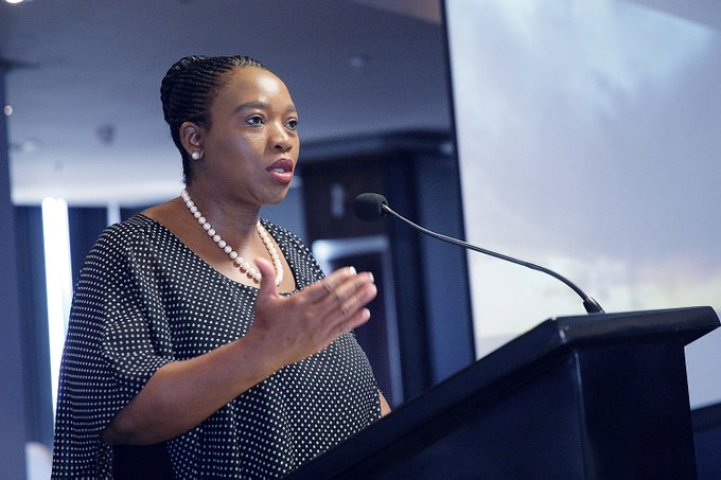
Deputy Minister of Higher Education and Training Nomusa Dube-Ncube is representing South Africa at the 2026 Education World Forum (EWF) in London, where global education leaders are gathering to discuss how education systems can respond to economic inequality, technological disruption, climate change, and social transformation.
The high-level international forum, taking place from 17 to 20 May 2026 in the United Kingdom, has brought together education and training ministers from more than 130 countries, alongside multilateral organisations, policy experts, and industry leaders.
This year's forum is being held under the theme: "Educating for a Shared Future: Peace, Planet, Purpose and Pathways", focusing on how education can be reimagined to address global challenges while creating opportunities for inclusive growth and sustainable development.
South Africa's Focus on Youth Employment and Skills Development
South Africa's participation at the forum is centred on addressing some of the country's most pressing developmental challenges, particularly youth unemployment and inequality.
The Department of Higher Education and Training (DHET) said the country is using the platform to highlight efforts aimed at creating education pathways that produce work-ready graduates equipped with entrepreneurial and technical skills suited to a rapidly changing global economy.
Government officials say the education system must increasingly respond to labour market demands, technological transformation, and emerging industries if South Africa is to reduce unemployment and drive economic growth.
A major focus of the delegation's engagement will be strengthening the alignment between education, skills development, and employment opportunities.
Adapting Education for the Fourth Industrial Revolution
The South African delegation is also expected to showcase the country's efforts to prepare students and institutions for the Fourth Industrial Revolution (4IR).
This includes integrating:
-
Artificial intelligence (AI)
-
Digital literacy and coding skills
-
Green economy competencies
-
Innovation and entrepreneurship training
across universities, Technical and Vocational Education and Training (TVET) colleges, and community learning institutions.
Government says adapting the education sector to technological change is critical for ensuring young people remain competitive in an increasingly digital global economy.
The delegation is expected to emphasise the importance of building education systems that can equip students with both technical and human-centred skills needed in future industries.
TVET Colleges and Student Funding Under Spotlight
Expanding access to higher education and reducing structural inequality remain central to South Africa's agenda at the forum.
Officials are expected to highlight programmes such as:
-
The National Student Financial Aid Scheme (NSFAS)
-
The Comprehensive Student Funding Model
-
Efforts to reposition TVET colleges as institutions of first choice
Government says these initiatives are intended to improve access to education for disadvantaged students while strengthening vocational and technical training pathways.
TVET colleges are increasingly being promoted as key institutions for addressing skills shortages, improving employability, and supporting economic development.
The delegation is expected to outline reforms aimed at modernising TVET institutions and improving their responsiveness to industry and labour market needs.
Entrepreneurship and Green Economy Skills
South Africa will also use the forum to promote entrepreneurship as an important driver of economic inclusion and job creation.
Officials say entrepreneurship education is being expanded through initiatives such as the Entrepreneurship Development in Higher Education (EDHE) programme, which encourages innovation, small business development, and self-employment among students and graduates.
The country is additionally linking skills development programmes to the Just Energy Transition, which aims to support South Africa's shift toward cleaner energy systems while protecting jobs and promoting inclusive economic growth.
Training in green economy sectors is increasingly viewed as essential for preparing young people for emerging industries linked to renewable energy, sustainability, and environmental management.
Advocating for the Priorities of the Global South
During the forum, Deputy Minister Dube-Ncube is expected to participate in high-level plenary sessions, bilateral ministerial meetings, and multilateral discussions involving education leaders from around the world.
South Africa says it will advocate strongly for the priorities of the Global South in international education debates.
Key issues expected to be raised include:
-
Decolonised education curricula
-
Multilingual artificial intelligence development
-
Equitable education financing
-
Inclusive and accessible education systems
-
Reducing global educational inequality
The South African delegation argues that global education reform must reflect the realities and developmental needs of countries in Africa and other developing regions.
Rebuilding Education After Apartheid
Speaking ahead of the forum, Dube-Ncube said South Africa is participating not merely as an observer but as a country actively transforming its education system in the face of historical inequality and modern global pressures.
"South Africa goes to EWF not as an observer, but as a nation actively rebuilding an education system from the legacy of apartheid, adapting to a fast-changing world, while striving to ensure no young person is left behind," the Deputy Minister said.
Her remarks highlighted the ongoing challenge of overcoming historical educational disparities while preparing students for a rapidly evolving global environment shaped by technology, climate change, and economic transformation.
Global Education Challenges in Focus
The Education World Forum is widely regarded as one of the world's leading gatherings of education ministers and policymakers.
This year's discussions are expected to focus heavily on:
-
Education recovery after the COVID-19 pandemic
-
Digital transformation in learning
-
Climate education and sustainability
-
Skills development for future economies
-
Artificial intelligence in education
-
Global inequality and access to quality education
International organisations and governments are increasingly calling for education systems that are more inclusive, technologically adaptive, and responsive to social and economic change.
South Africa Seeks Stronger International Partnerships
The DHET says South Africa's participation at the forum also aims to strengthen international partnerships and collaboration in education, skills development, research, and innovation.
Officials believe global cooperation will be essential in addressing common challenges facing education systems worldwide, particularly in developing economies confronting unemployment, inequality, and digital transformation.
The outcomes of the forum are expected to influence future global discussions on education reform and skills development as countries work to prepare younger generations for an increasingly interconnected and rapidly changing world.


 Google News