

India Extends Life of Tarapur’s Historic Nuclear Reactors
During the visit, Dr. Mohanty also inaugurated the Primary Coolant Pump Test Facility at the Tarapur site in the presence of Nuclear Power Corporation of India Limited (NPCIL) leadership.
- Country:
- India
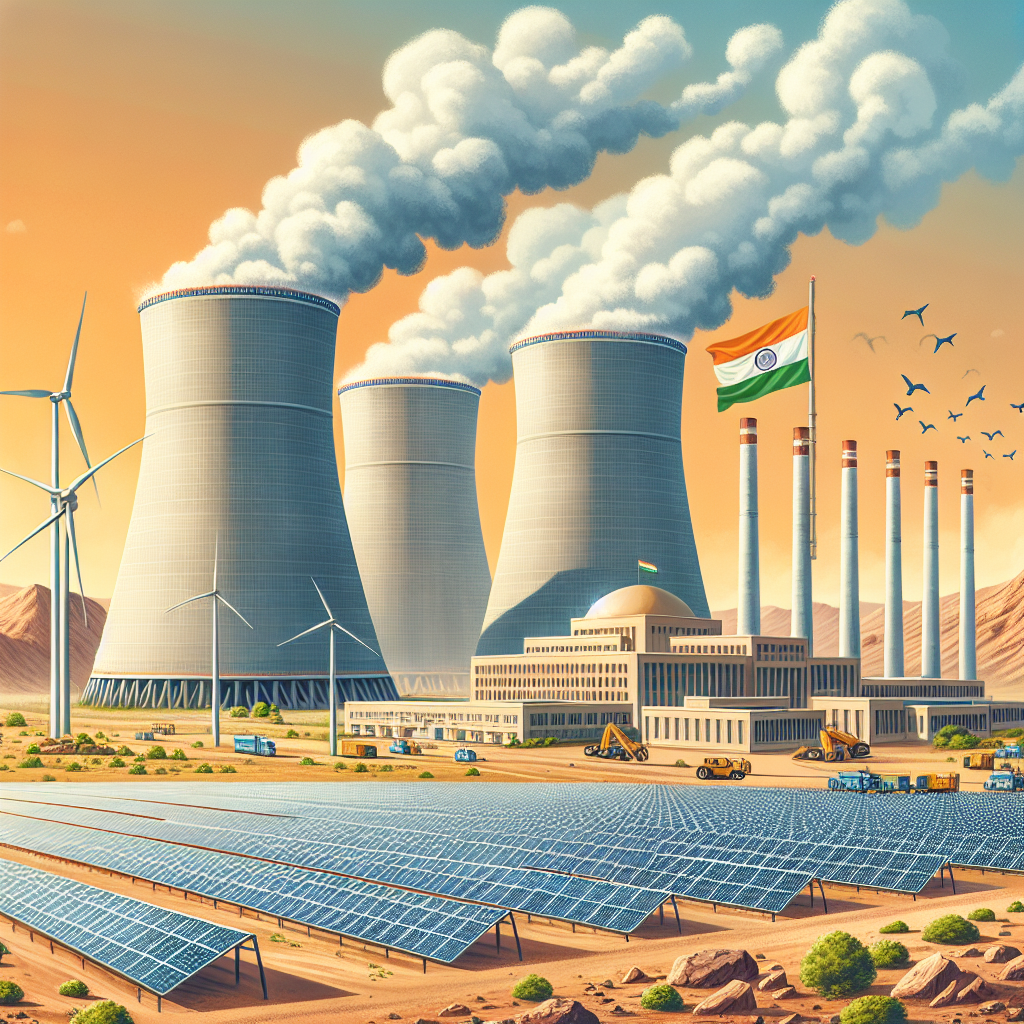
Tarapur Atomic Power Station, Nuclear Energy, India, Department of Atomic Energy, NPCIL, Atomic Energy Commission, Clean Energy, Energy Security, TAPS 1 and 2, Viksit Bharat India has taken a significant step in its nuclear energy journey with the approval of a 10-year life extension for Tarapur Atomic Power Station (TAPS) Units 1 and 2, the world's oldest operating twin nuclear reactors.
The milestone was highlighted during a visit by Dr. Ajit Kumar Mohanty, Secretary of the Department of Atomic Energy and Chairman of the Atomic Energy Commission, who reviewed the achievement and met with scientists, engineers and staff involved in the operation of the facility. During the visit, Dr. Mohanty also inaugurated the Primary Coolant Pump Test Facility at the Tarapur site in the presence of Nuclear Power Corporation of India Limited (NPCIL) leadership.
Landmark Achievement for India's Nuclear Programme
Commissioned in 1969, TAPS 1 and 2 were India's first commercial nuclear power reactors and became the first nuclear power station in Asia outside the Soviet bloc. For more than five decades, the reactors have played a crucial role in developing India's nuclear engineering expertise, operational standards and safety culture. Their continued operation has now been approved by the Atomic Energy Regulatory Board following a detailed life-extension and modernization programme conducted under strict regulatory supervision.
Dr. Mohanty described the achievement as evidence of India's growing technological capabilities and self-reliance. He said the extension reflects the country's evolution from a technology importer to a nation capable of sustaining and modernising complex nuclear infrastructure while supporting the vision of a developed and energy-independent India.
Extensive Modernisation Improves Safety and Reliability
The life-extension project involved detailed inspections, refurbishment and replacement of critical equipment and systems throughout the reactors.
Advanced indigenous technologies were used to assess reactor integrity, while electrical systems were upgraded to improve reliability and long-term performance. The programme also included measures designed to strengthen operational safety and ensure compliance with modern regulatory requirements.
NPCIL Chairman and Managing Director (Additional Charge) V. Rajesh said the continued operation of TAPS 1 and 2 demonstrates India's commitment to engineering excellence, innovation and nuclear safety. Site Director Ajay Kumar Bhole added that the project showcased NPCIL's technical expertise and its focus on maintaining a "Zero Harm" approach throughout the modernization process.
Supporting Clean Energy and Energy Security
Over the course of their operation, TAPS 1 and 2 have generated more than 100 billion units of electricity, making a substantial contribution to India's energy supply. The reactors have also helped avoid more than 86 million tonnes of carbon dioxide equivalent emissions, supporting the country's clean energy and climate goals.
Station Director Vinay Thattey noted that Tarapur continues to serve as a model for ageing management, technological innovation and sustainable nuclear operations. As India works toward its Viksit Bharat vision, nuclear power is expected to play an increasingly important role in delivering reliable, round-the-clock electricity while reducing dependence on fossil fuels. The continued operation of Tarapur's historic reactors reinforces the country's commitment to energy security, low-carbon development and scientific progress.
ALSO READ
-
IAEA and IDB Join Forces to Expand Nuclear Energy in Latin America and Caribbean
-
Cleaner Kitchens, Polluted Skies: Hidden Health Cost of India’s Electricity Boom
-
Japan-Backed ILO Projects Help 23,000 Workers Gain Rights and Fight Child Labour
-
India's Delicate Balancing Act: Navigating Energy Security Amid Middle Eastern Tensions
-
India Gears Up for Glory: Asian Games 2026 Preview


 Google News