

Sustainable Packaging for Meat and Fish: Addressing Bioplastics' Potential and Market Challenges
A global research team explores the challenges and potential of bioplastic packaging for fresh meat and fish, emphasizing the need for sustainable solutions to reduce environmental impact and ensure food safety. Despite its promise, widespread adoption faces significant technical, economic, and regulatory hurdles.
 CoE-EDP, VisionRI
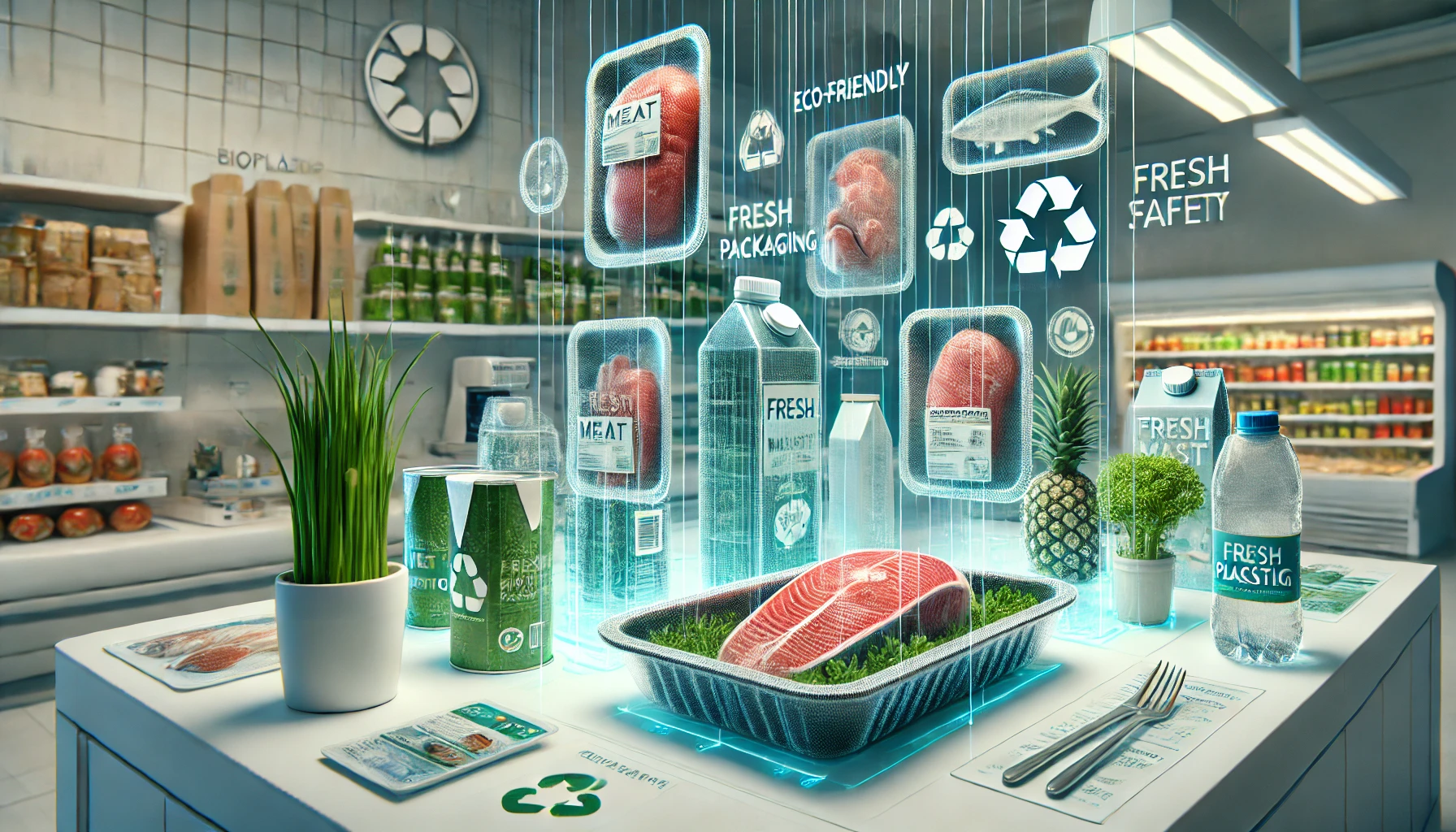
In a comprehensive study led by researchers from Aarhus University, Suleyman Demirel University, AgResearch Limited, and other global institutions, the future of bioplastic packaging for fresh meat and fish is critically examined, highlighting the urgent need for sustainable solutions to mitigate both food and packaging waste. The shift from fossil-based plastics to bioplastics in food packaging is driven by mounting environmental concerns, including the increasing presence of microplastics in food and the broader environment. Despite the potential benefits, the adoption of bioplastics remains at an early stage, particularly in the context of packaging for fresh meat and fish products that are highly perishable and require robust packaging to extend their shelf life.
The Challenge of Defining Bioplastics
One of the primary challenges identified in the review is the confusion surrounding the term "bioplastic." This term covers a wide range of materials, including those that are bio-based, biodegradable, or a combination of both. It also includes non-biodegradable fossil-based plastics, which adds to the complexity of market adoption. The successful implementation of bioplastic packaging is contingent on overcoming several obstacles, such as higher production costs, underdeveloped supply chains, and the need for rigorous testing to ensure that bioplastics meet the necessary technological requirements to replace conventional plastics. These requirements include the ability to maintain the quality and safety of fresh meat and fish while also delivering tangible environmental benefits.
Consumer Perception and Market Challenges
Although bioplastics are generally perceived positively by consumers and stakeholders, significant issues remain concerning their market implementation. Key among these are the challenges related to sorting, recycling, and achieving the technological functionalities required for effective packaging. For instance, bioplastic packaging must be capable of protecting against spoilage, preserving the sensory qualities of food, and preventing the migration of harmful substances from the packaging material into the food. This is especially crucial when bioplastics are derived from waste byproducts, which may pose additional safety concerns if not properly managed.
Life Cycle Assessments and Safety Standards
The review stresses the importance of conducting life cycle assessments to evaluate the environmental impact of bioplastic packaging solutions. These assessments are critical in ensuring that the shift to bioplastics does not inadvertently result in greater environmental harm. Furthermore, the development and enforcement of safety standards are essential to guarantee that bioplastic materials do not compromise food safety. This includes demonstrating the absence of harmful substance migration from the packaging, particularly when bioplastics are sourced from waste materials.
The Promise and Challenges of Active Packaging
A promising area of future research identified in the review is the development of active and intelligent bioplastic packaging solutions. These innovations have the potential to significantly extend the shelf life of fresh meat and fish products through mechanisms such as antimicrobial or antioxidant activity. For example, active packaging materials can be designed to release substances that inhibit the growth of spoilage-causing microorganisms, while intelligent packaging can monitor the condition of the food and provide real-time information to consumers or supply chain managers. Such advancements could add substantial value to the food-packaging unit by reducing waste and enhancing food safety.
Economic Viability and Future Directions
However, the widespread adoption of bioplastics is not without its challenges. The review highlights the need for harmonization in material use to improve sorting efficiencies and process economics. This includes optimizing the physical, chemical, and mechanical properties of bioplastic materials to suit the specific needs of the food products they are intended to protect. For instance, bioplastics must be able to provide adequate oxygen and moisture barriers to prevent spoilage, while also being robust enough to withstand the rigors of transportation and storage.
Moreover, the economic viability of bioplastics is a significant concern. The high production costs of bioplastics compared to conventional plastics remain a major barrier to their widespread use. The review suggests that reducing these costs could be achieved through several strategies, including the use of abundant biomass or agricultural waste as raw materials, simplifying the biosynthesis processes, and promoting bioplastic usage through supportive governmental policies. These measures could help lower production costs and make bioplastics a more attractive option for food packaging.
While bioplastics offer considerable promise in reducing the environmental impact of food packaging, particularly for perishable items like meat and fish, their widespread adoption will depend on overcoming substantial technical, economic, and regulatory challenges. The review underscores the need for continued research and development to address these issues and ensure that bioplastic packaging solutions can deliver on their potential to create a more sustainable and circular food packaging industry.
- FIRST PUBLISHED IN:
- Devdiscourse


 Google News