

DRC Faces Worst Cholera Outbreak in 25 Years as UNICEF Warns of Rising Child Deaths
“Congolese children should not be so gravely affected by what is a wholly preventable disease,” said John Agbor, UNICEF Representative in the DRC.
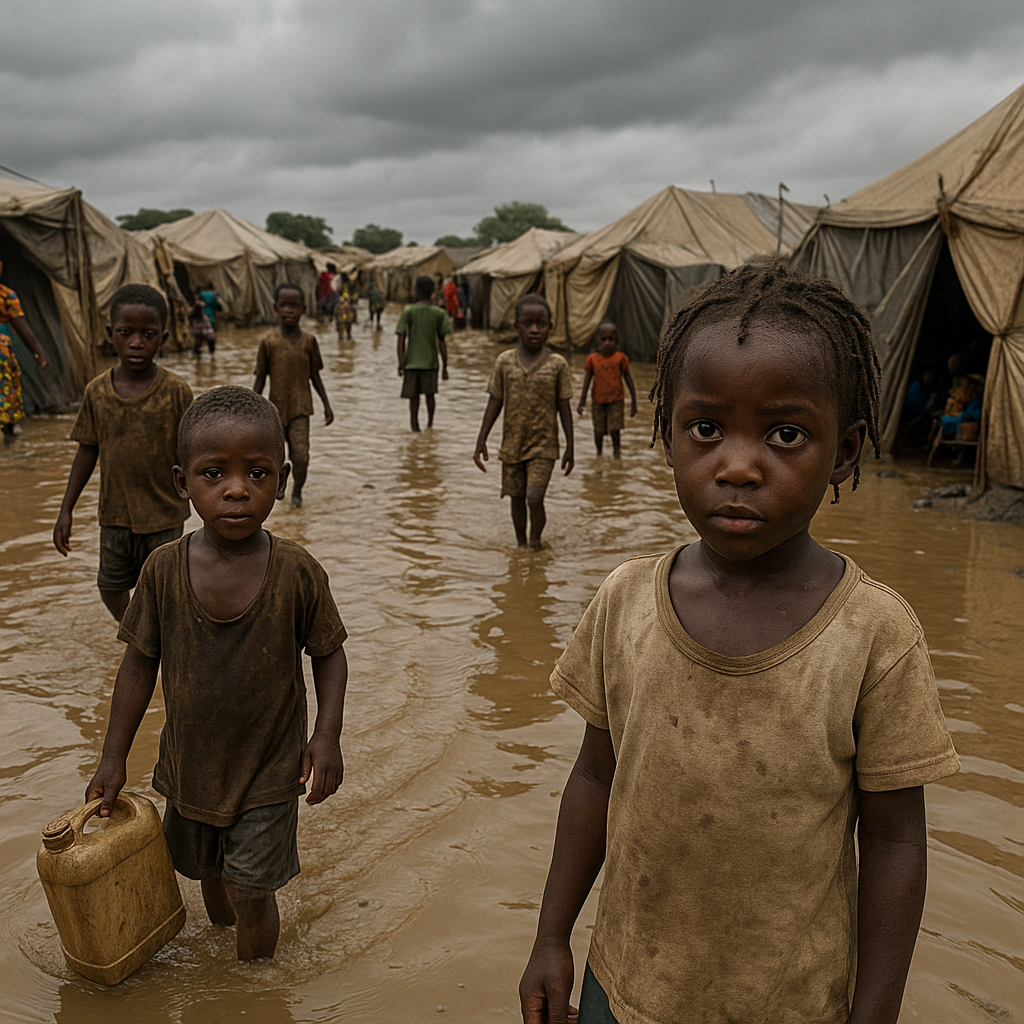
The Democratic Republic of the Congo (DRC) is experiencing its worst cholera outbreak in a quarter-century, with 64,427 cases and 1,888 deaths recorded since the start of 2025, UNICEF reported today. Children are bearing a devastating share of the impact, with 14,818 cases and 340 deaths, reflecting the severe vulnerabilities facing young people amid collapsing health and water systems.
One of the most heartbreaking incidents occurred in Kinshasa, where 16 out of 62 children in a group home died within days as cholera swept through the orphanage—an illustration of how rapidly the disease spreads in environments with inadequate sanitation.
"A Preventable Tragedy" Harming Congo's Children
"Congolese children should not be so gravely affected by what is a wholly preventable disease," said John Agbor, UNICEF Representative in the DRC. He urged the government to substantially increase investments in water, sanitation, hygiene, and health systems, particularly in long-identified cholera hotspots.
Seventeen of the DRC's 26 provinces—including the capital, Kinshasa—are now affected. Children represent nearly 23.4% of all cases, though the percentage varies by region.
Lack of Water and Sanitation: The Heart of the Crisis
According to the 2024–2025 Demographic and Health Survey, access to basic services remains critically low:
-
Only 43% of the population uses basic water services — the lowest rate in Africa.
-
Just 15% have access to basic sanitation.
These conditions accelerate the spread of cholera, especially in densely populated communities or displacement sites with limited clean water.
Multiple Crises Fueling the Outbreak
The outbreak is not occurring in isolation. It is intensified by:
-
Persistent conflict and mass displacement in eastern DRC, limiting access to care
-
Extreme weather events—flooding and heavy rains that destroy WASH infrastructure
-
Rapid, unplanned urbanization, especially in Kinshasa
-
Low awareness of cholera symptoms in regions unfamiliar with the disease
In areas with little prior exposure, delays in seeking care are contributing to exceptionally high fatality rates.
National Response Efforts Struggle Amid Severe Underfunding
The government has developed a comprehensive Multisectoral Cholera Elimination Plan (PMSEC) 2023–2027, with a proposed budget of $192 million. But the plan remains drastically underfunded, and a mid-term review conducted in May 2025 urged stronger funding and better coordination across sectors.
A new initiative, "River Congo Without Cholera," has also been launched to address:
-
Poor sanitation at river ports
-
Unsafe conditions aboard boats
-
Lack of drinking water access along the river
-
Awareness gaps among crews and passengers
These issues are critical, given that rivers are major transport corridors where cholera can spread quickly.
UNICEF's Multi-Sectoral Response: Reaching Millions
UNICEF continues to scale up intervention efforts by:
1. Deploying Rapid Response Teams using the Case-Area Targeted Intervention (CATI) method
CATI teams conduct swift, targeted actions in homes and communities surrounding confirmed cases—an approach proven to curb outbreaks quickly.
2. Supporting health facilities and treatment centres
UNICEF helps deliver lifesaving care for infected individuals, especially children and vulnerable populations.
3. Leading community engagement campaigns
Between January and October 2025, 13.5 million people were reached with information on prevention and treatment—critical for reducing mortality.
4. Strengthening WASH systems
UNICEF builds and rehabilitates water and sanitation infrastructure in schools, communities, and health centres.
Urgent Call for International Funding
"As well as calling on the government to invest in health services, clean water, and proper sanitation infrastructure, we are also appealing to our international partners for funding," said Agbor. "The funding pipeline for 2026 looks very fragile, and without additional resources, many more lives could be lost."
UNICEF urgently requires $6 million in 2026 to fully fund CATI operations and sustain outbreak containment efforts.
ALSO READ
-
Lebanon’s Children Cannot Lose More of Their Childhood, UNICEF Chief Urges Action
-
Sudan Shelter Drone Strike Reportedly Kills a Boy and Injures 12 Children
-
Syria’s Returning Children Need Schools, Care and Safe Water to Rebuild Lives
-
DRC Pushes Electricity Reforms to Protect Household Budgets and Unlock Power Investment
-
Lebanon’s Children Face Hunger, Lost Schooling and Work as Families Reach the Brink


 Google News